English
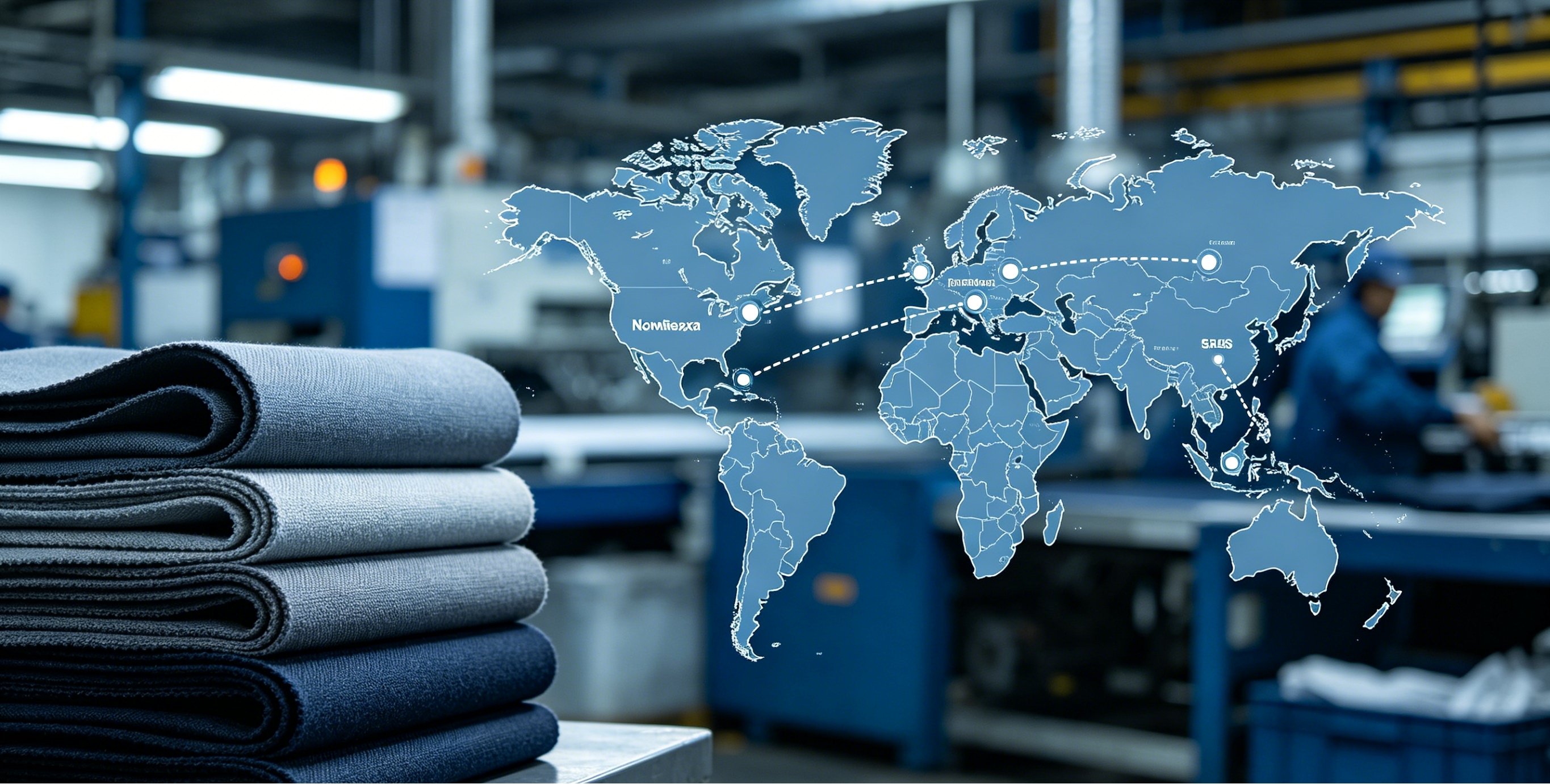
DuPont’s divestment of its aramid fiber business, including Nomex and Kevlar, represents one of the most significant structural changes in the flame-resistant (FR) material industry in recent years. Nomex has been a core material for industrial protective clothing used in oil & gas, utilities, and petrochemical sectors.
The process began in mid-2025, when DuPont announced its intention to divest its aramids division as part of a strategic portfolio restructuring.
August 2025: DuPont publicly announced the agreement to sell its aramids business
Late 2025: Regulatory approvals and transaction preparations progressed
Early 2026: The deal was finalized and ownership officially transferred
The total transaction value was approximately $1.8 billion, making it a major deal in the specialty materials sector.
As of 2026, the transition phase is ongoing. The new operator is integrating the Nomex and Kevlar business into its portfolio, while existing supply contracts are being reviewed and adjusted.
In the market, several developments are currently being observed:
Short-term uncertainty in Nomex supply contracts
Price adjustments in aramid-based fabrics
Increased inquiries for alternative FR materials
Manufacturers and buyers are closely monitoring how the new ownership will manage production capacity and pricing strategy.
Nomex is widely used in inherently flame-resistant (IFR) garments. The ownership transition is expected to influence:
Global supply stability of aramid fibers
Pricing structures for high-performance FR fabrics
Lead times for large industrial orders
Some manufacturers are already evaluating alternative materials such as modacrylic blends to reduce dependency on a single supplier.
For exporters of safety workwear, this development directly affects cost control and long-term contracts.
Key implications include:
Greater price volatility in FR garments
Need for diversified raw material sourcing
Increased importance of supply chain stability for buyers
Markets such as the Middle East, North America, and South America—where oil & gas demand is strong—are particularly sensitive to these changes.
The divestment reflects a broader restructuring trend in the global specialty chemicals industry. In the near term, uncertainty may persist as the new ownership stabilizes operations.
In the long term, the market may see:
Increased competition in FR fiber production
Innovation in alternative flame-resistant materials
More flexible sourcing strategies among PPE manufacturers
For global buyers, the key priority will be balancing performance, cost, and supply reliability in an evolving market environment.
Sources
https://www.reuters.com/legal/transactional/dupont-sell-kevlar-nomex-business-arclin-18-billion-2025-08-29/