English
Working in laboratories or chemical environments can expose workers to various hazards, including toxic chemicals, fire risks, and electrical dangers. To mitigate these risks, adherence to strict safety standards is crucial. In this blog, we’ll explore the key safety standards for laboratory and chemical workers and how personal protective equipment (PPE) plays a vital role in ensuring a safe work environment.
There are several international and national safety standards that guide laboratory and chemical workplaces. These regulations ensure that workers are provided with safe conditions, appropriate protective gear, and well-defined protocols for responding to hazardous situations.
OSHA (Occupational Safety and Health Administration): In the United States, OSHA sets workplace safety standards, including regulations for laboratories and chemical industries. OSHA mandates proper training, PPE usage, and safety protocols to minimize chemical exposure and accidents.
NFPA 70E: For electrical safety in chemical labs, the National Fire Protection Association standard NFPA 70E covers electrical hazards, including arc flash and shock protection, to protect workers from electrical burns and injuries.
ANSI Z87.1: This standard covers eye and face protection in hazardous environments, such as laboratories. It requires safety glasses or face shields for workers handling chemicals that could splash or cause eye injury.
EN 374: This European standard outlines the protective gloves required when working with chemicals. Gloves should be resistant to penetration and permeation by harmful substances, providing a critical barrier against skin exposure.
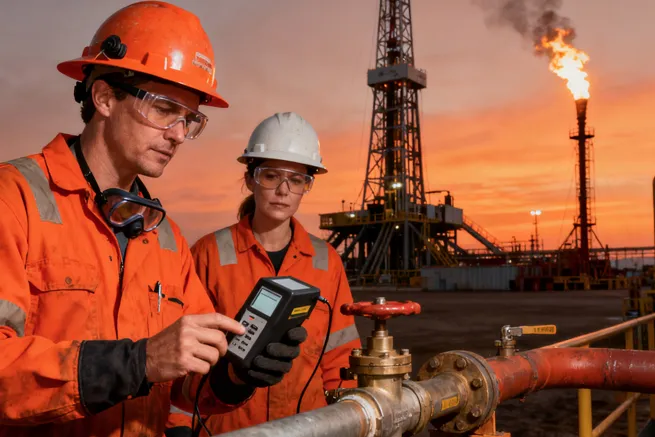
The right PPE is essential to meet safety standards and protect laboratory and chemical workers from a wide range of hazards, including chemical spills, burns, and airborne contaminants.
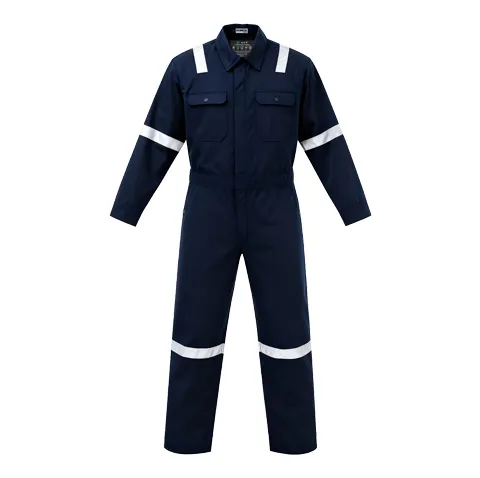
Protective Clothing: Flame-resistant (FR) lab coats or coveralls are necessary for preventing burns from chemicals, flames, or sparks. For certain chemical tasks, chemical-resistant suits offer an added layer of protection.
Gloves: Workers should wear chemical-resistant gloves, tested according to EN 374 standards, to prevent skin exposure to hazardous substances.
Eye Protection: Safety goggles or face shields should be worn to prevent chemical splashes or airborne particles from causing eye injuries. ANSI Z87.1 compliance ensures the effectiveness of eye protection.
Respiratory Protection: In laboratories dealing with toxic fumes or dust, workers may need to wear respirators or face masks compliant with NIOSH (National Institute for Occupational Safety and Health) standards to protect against inhalation risks.
Safety standards are not just about PPE; they also require proper training and emergency procedures. Ensuring workers are familiar with safety protocols is essential for minimizing accidents.
Training on Chemical Handling: Workers should be trained in the proper handling and disposal of chemicals. This includes understanding Material Safety Data Sheets (MSDS) and knowing how to identify and manage risks associated with different chemicals.
Emergency Response Plans: Laboratories and chemical facilities must have clear emergency procedures in place, such as chemical spill containment, first-aid measures, and evacuation plans in case of fire or hazardous exposure.
Fire Safety: Regular fire safety drills and the use of appropriate fire extinguishers for different types of chemical fires (e.g., Class B for flammable liquids) are required to ensure quick response in the event of an accident.
By following established safety standards, workplaces significantly reduce the risk of accidents. PPE serves as the first line of defense, but when combined with proper training, emergency response protocols, and adherence to industry standards, it can help prevent accidents and protect workers from serious harm.
Minimized Exposure: Proper PPE ensures that workers are not exposed to harmful chemicals, reducing the risk of burns, toxic exposure, and long-term health issues.
Accident Prevention: Compliance with safety standards, such as regular equipment inspections and proper labeling of chemicals, helps prevent accidents before they happen.
Legal Compliance: Adhering to safety standards ensures that workplaces comply with national and international regulations, protecting companies from legal liabilities.
The health and safety of laboratory and chemical workers depend on strict adherence to safety standards. By selecting the right PPE, implementing comprehensive training programs, and following established regulations like OSHA, NFPA, and EN 374, companies can provide a safer working environment and reduce the risk of injury or harm.
At Domex Safety, we offer a range of high-quality, industry-compliant PPE, including chemical-resistant gloves, flame-resistant lab coats, and eye protection, to help you meet safety standards and keep your workers safe. Explore our products today to ensure your workplace adheres to the highest safety standards.