English
When it comes to personal protective equipment (PPE), ensuring that clothing meets the right safety standards is critical for worker protection. One of the key standards for protective clothing is EN ISO 13688, which sets out essential requirements for the general performance of PPE clothing. In this blog, we’ll explore the importance of EN ISO 13688, its key requirements, and why it’s essential for ensuring both safety and comfort for workers in hazardous environments.
EN ISO 13688 is an international standard that outlines the general performance requirements for protective clothing. Unlike other more specialized standards that focus on specific types of protective clothing (e.g., flame-resistant or chemical-resistant clothing), EN ISO 13688 ensures that all protective garments meet the minimum safety criteria for comfort, durability, and protective performance.
The standard includes guidelines for the following:
Design and Construction: Ensures that clothing is designed to provide protection without sacrificing comfort and mobility.
Material Performance: Specifies the physical and performance requirements for fabrics used in protective clothing
Comfort and Fit: Clothing must be comfortable to wear for extended periods, ensuring worker compliance.
Adhering to EN ISO 13688 ensures that protective clothing offers a comprehensive level of safety and usability for workers. Here’s why it’s so important:
Consistency and Quality: EN ISO 13688 guarantees that all protective clothing meets consistent, high-quality standards, ensuring that workers are adequately protected across different environments and industries.
Minimizing Risks: Properly designed and constructed clothing reduces the risk of accidents caused by improper fit, exposure to hazards, or material failure. For instance, poorly designed clothing can create safety risks if it restricts movement or doesn’t properly shield against environmental dangers.
Worker Comfort: Protective clothing is often worn for long periods, so comfort is essential. EN ISO 13688 ensures that garments provide adequate ventilation, flexibility, and comfort, which increases worker efficiency and reduces the likelihood of heat stress or fatigue.
EN ISO 13688 defines several key criteria for protective clothing to ensure it meets safety and performance standards:
Fit and Sizing: Protective clothing must be designed to fit a wide range of body types, ensuring workers can move freely and comfortably.
Durability: Fabrics must withstand regular wear and tear, ensuring the clothing can maintain its protective properties even after multiple wash cycles.
Breathability and Comfort: Clothing must allow air circulation to prevent overheating and ensure comfort in various working conditions.
Strength and Tear Resistance: Garments must be made from materials that resist tearing, abrasion, and other forms of damage during daily work activities.
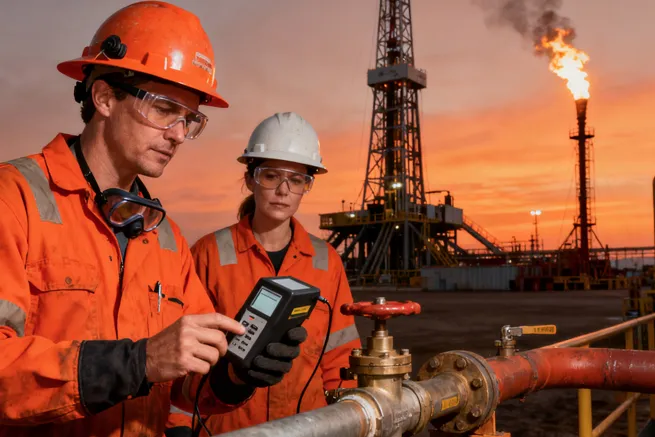
EN ISO 13688 is a fundamental standard for industries such as construction, manufacturing, oil and gas, and chemical processing, where workers are exposed to various physical and environmental hazards. By ensuring that protective clothing complies with this standard, companies can reduce the risk of workplace injuries, enhance safety, and demonstrate their commitment to worker protection.
Regulatory Compliance: In many countries, compliance with EN ISO 13688 is mandatory, ensuring that protective clothing used in hazardous workplaces meets the required safety standards.
Peace of Mind for Employers and Workers: Employers who provide EN ISO 13688-compliant clothing give workers the confidence that their clothing is designed to protect them in dangerous environments.
While EN ISO 13688 covers general protective clothing requirements, it works in tandem with other specific standards that address more specialized protective clothing needs, such as:
EN 471 for high-visibility clothing
EN 11612 for flame-resistant clothing
EN 343 for protective clothing against rain
Together, these standards ensure that protective clothing offers comprehensive protection across various hazards, from chemical spills to extreme heat.
EN ISO 13688 is a crucial standard for ensuring the safety, durability, and comfort of protective clothing in hazardous environments. By adhering to this standard, companies provide workers with clothing that enhances their protection while ensuring comfort and mobility. This not only helps prevent accidents but also promotes worker well-being and productivity.
At Domex Safety, we offer a wide range of protective clothing designed to meet EN ISO 13688 standards, ensuring maximum safety and comfort for your workforce. Browse our selection to find the ideal PPE solutions for your business.