English
High-quality workwear must not only protect but also retain its fit and appearance after repeated use and laundering. Two key international standards help measure how workwear fabrics perform over time — ISO 5077 for dimensional change (shrinkage) and ISO 105 for color fastness. Understanding both standards ensures you choose workwear that stays reliable, comfortable, and professional throughout its lifespan.
ISO 5077 is an international textile standard that specifies how to measure dimensional change of fabrics and garments after washing and drying under controlled conditions. This standard helps manufacturers evaluate how much a workwear fabric may shrink or change shape during normal laundering — an important factor in ensuring consistent fit and comfort.
Why it matters for workwear:
Shrinkage can affect the fit and mobility of protective garments.
Consistent sizing supports worker comfort and compliance with PPE requirements.
Fabrics tested to ISO 5077 help ensure garments last longer and maintain performance.
ISO 105 refers to a series of tests that assess color fastness — a textile’s ability to retain its original color and resist fading or bleeding when exposed to different stresses such as washing, rubbing, light, or perspiration.
Key elements of ISO 105 color fastness testing:
Washing fastness — ensures color doesn’t fade excessively after laundering.
Rubbing fastness — checks resistance to color transfer during friction.
Light fastness — evaluates how well color withstands exposure to light and sunlight.
High color fastness is crucial for workwear that must look professional and durable after repeated use and cleaning.
Choosing fabrics and garments tested to ISO 5077 and ISO 105 standards means your workwear will perform better over time — with less shrinkage and more stable color. This leads to benefits such as:
Consistent garment fit wash after wash.
Improved appearance retention for a professional look.
Greater long-term satisfaction for both workers and safety teams.
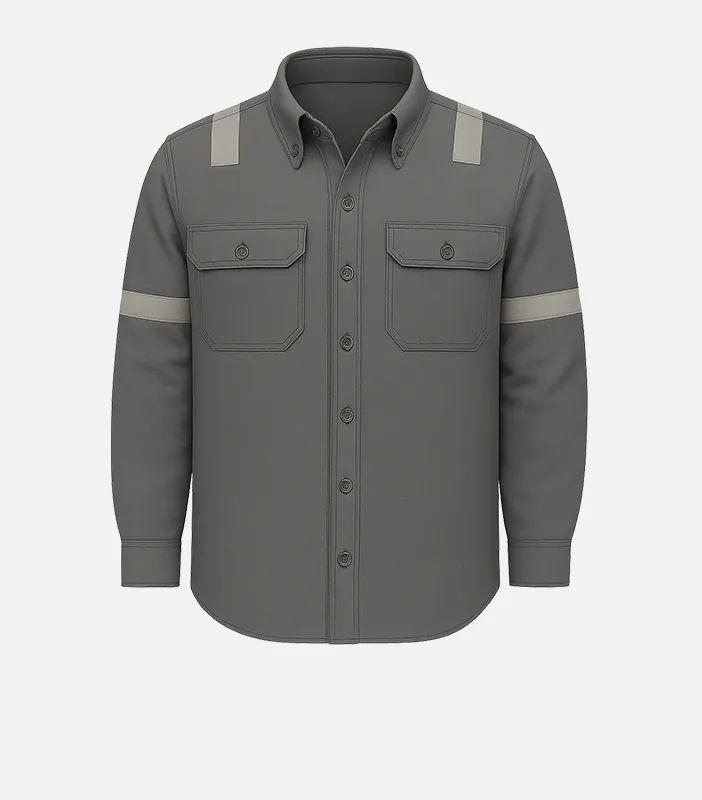
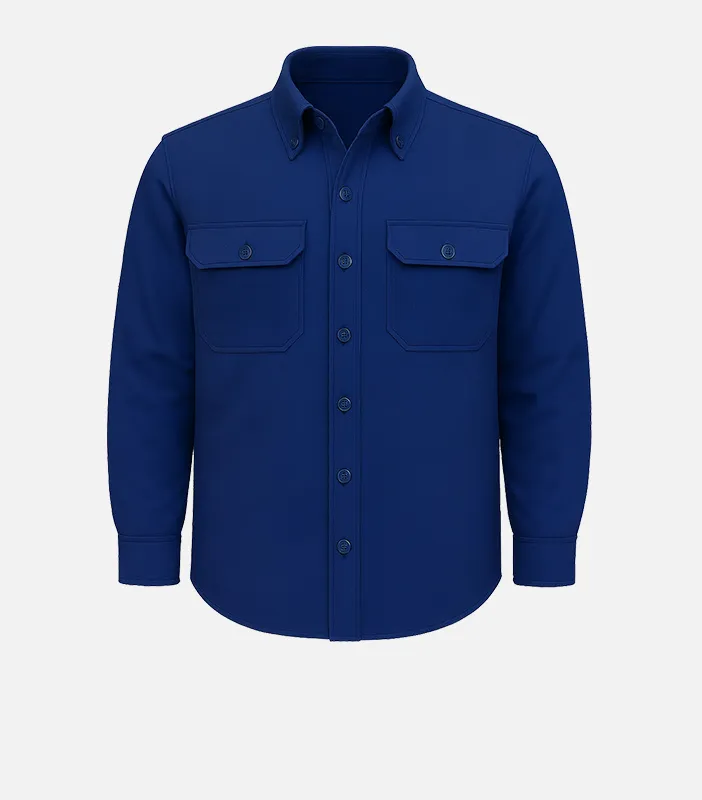
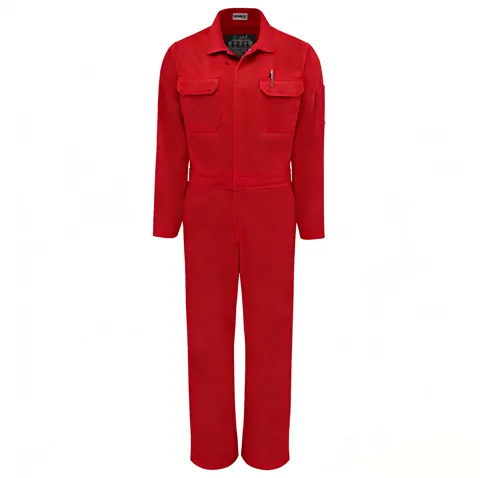
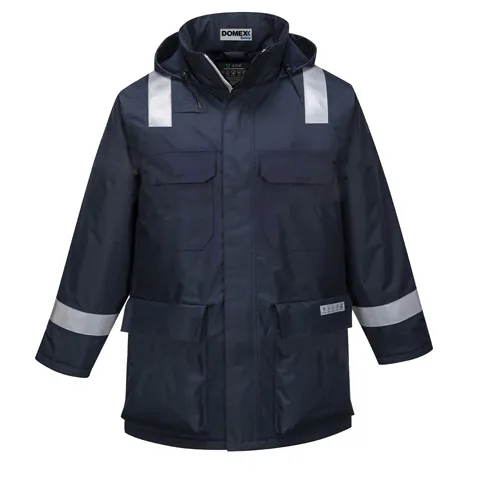
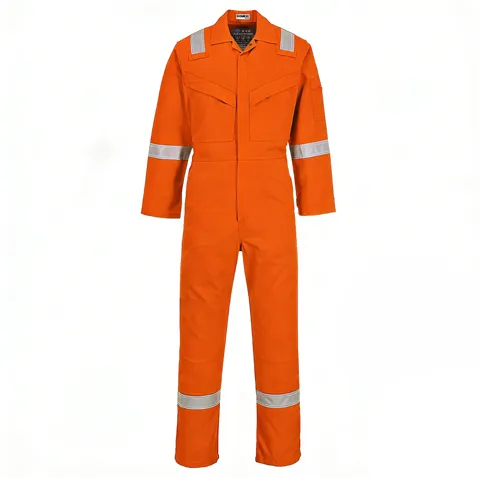
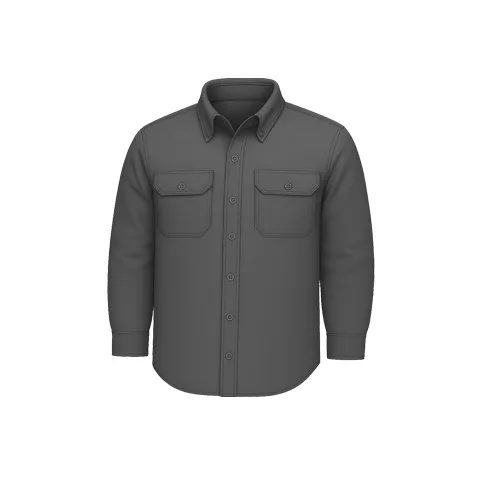
Whether you’re selecting flame-resistant shirts, arc flash coveralls, high-visibility gear, or anti-static protective clothing, fabrics that perform well in ISO 5077 and ISO 105 tests help deliver durable and reliable workwear solutions.
Understanding key textile standards like ISO 5077 (shrinkage) and ISO 105 (color fastness) empowers companies to make smarter choices when sourcing workwear. Garments that resist dimensional change and retain their color not only look better but also perform better on the job, offering comfort, durability, and confidence for workers in demanding environments.