English
In industries where workers are exposed to heat, flames, and molten materials, protective clothing plays a critical role in preventing serious injuries. One of the most widely recognized international standards for flame-resistant clothing is EN ISO 11612.
This standard defines the performance requirements for garments designed to protect workers against heat and flame hazards in industrial environments. Understanding EN ISO 11612 helps safety managers and buyers choose certified flame-resistant (FR) workwear that delivers reliable protection.
EN ISO 11612 is a European and international standard that specifies the minimum performance requirements for protective clothing designed to shield workers from heat and flames.
Garments certified under EN ISO 11612 are tested to ensure they can protect against several types of thermal hazards commonly found in industrial workplaces.
These hazards include:
Brief contact with flames
Convective heat exposure
Radiant heat exposure
Molten metal splashes
Contact heat from hot surfaces
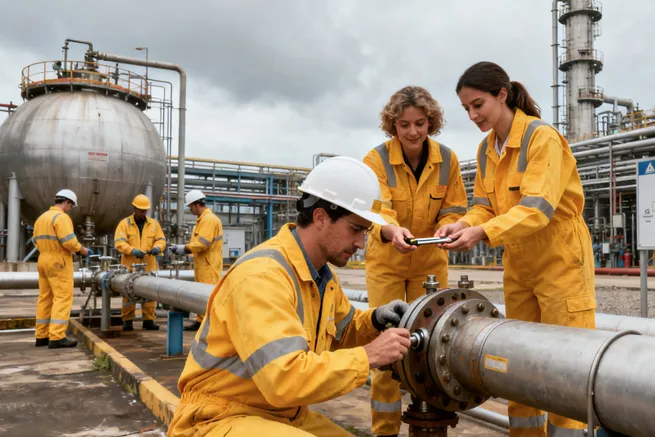
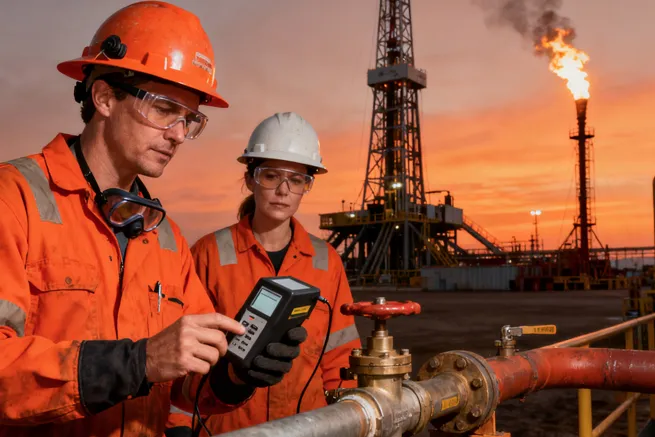
FR workwear meeting this standard is widely used in industries such as oil and gas, metal processing, and heavy manufacturing.
EN ISO 11612 includes several performance tests represented by letter codes that indicate the type of protection provided.
A – LIMITED FLAME SPREAD
This test measures how the fabric reacts when exposed to a flame. Certified materials must self-extinguish quickly and prevent flame spread, reducing the risk of clothing continuing to burn.
B – CONVECTIVE HEAT PROTECTION
This test evaluates the garment’s ability to protect against heat transferred through flames or hot gases. Higher performance levels provide longer protection from heat exposure.
C – RADIANT HEAT PROTECTION
Radiant heat comes from sources such as furnaces, molten metal, or high-temperature industrial equipment. This test measures how effectively the garment blocks radiant heat.
D & E – MOLTEN METAL SPLASH PROTECTION
These tests assess protection against molten metal splashes that can occur in metal processing industries such as foundries or welding operations.
F – CONTACT HEAT PROTECTION
This test evaluates how well the garment protects the wearer when touching hot surfaces.
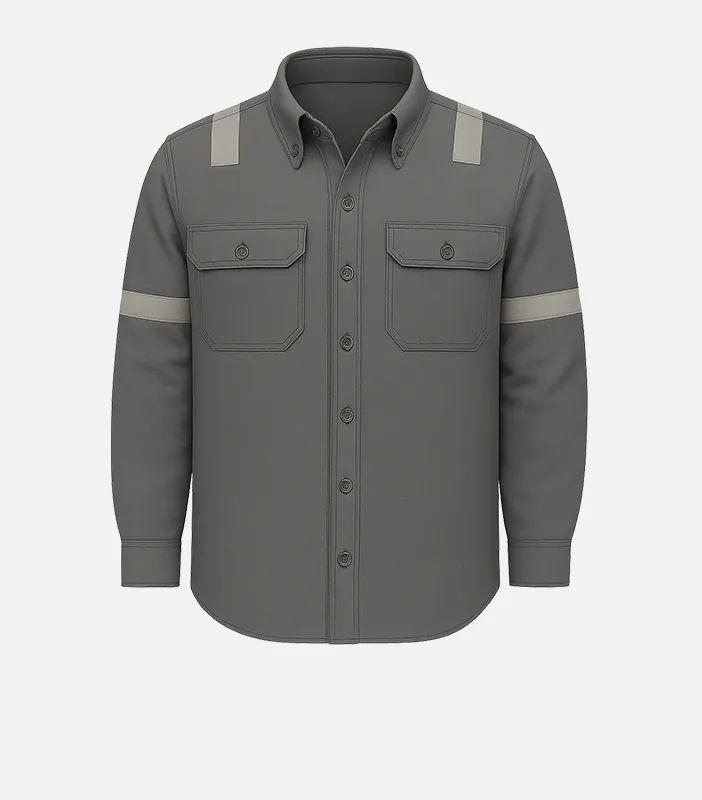
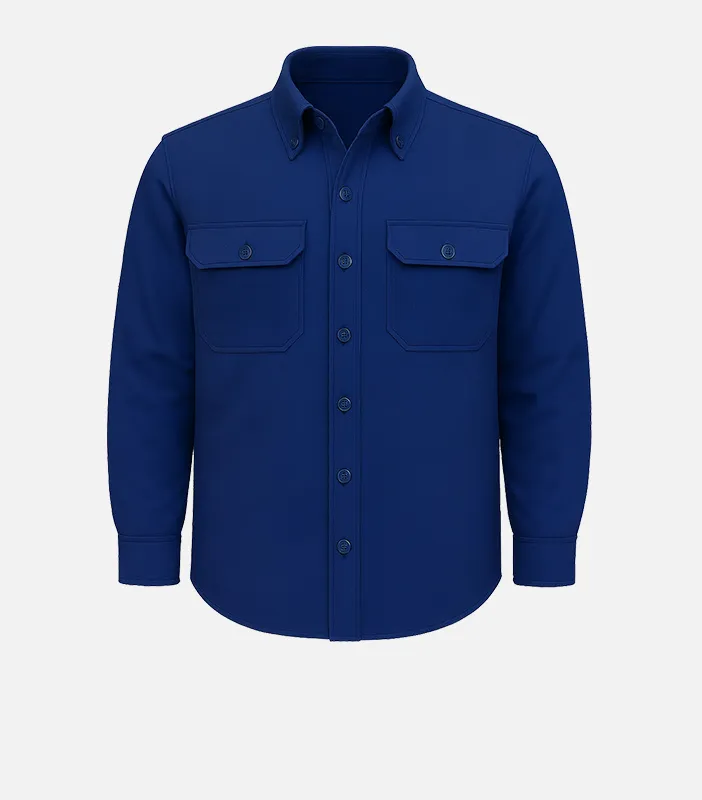
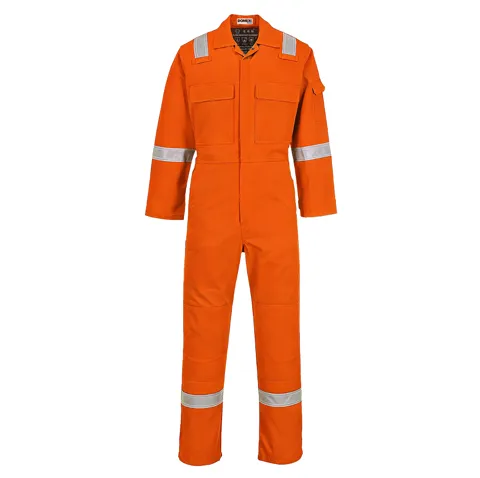
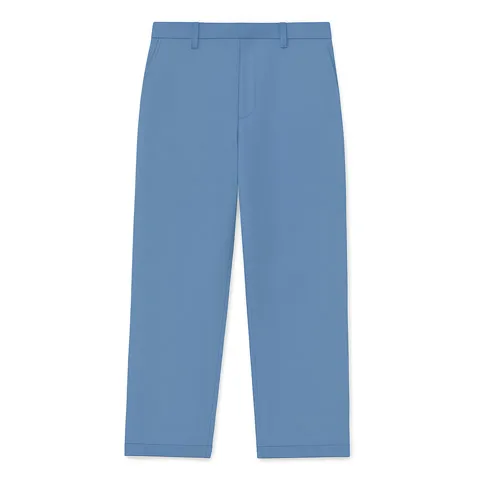
Flame-resistant garments designed according to EN ISO 11612 are available in various forms depending on the working environment.
Common types include:
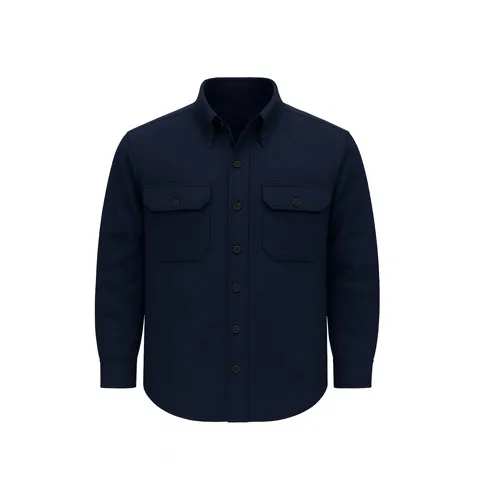
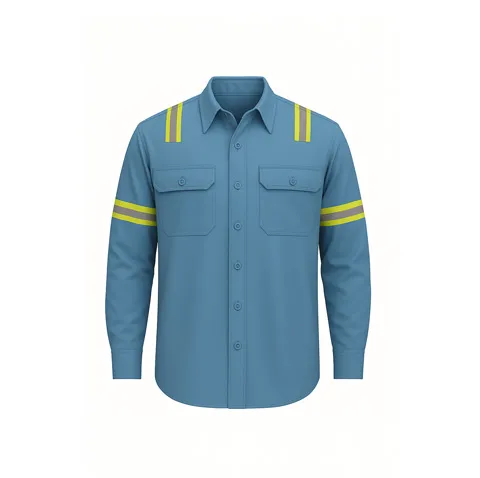
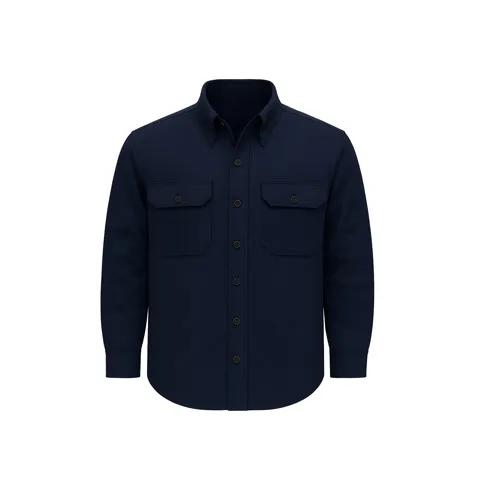
FR Jackets – Ideal for outdoor industrial environments
FR Pants – Daily protection for industrial workers
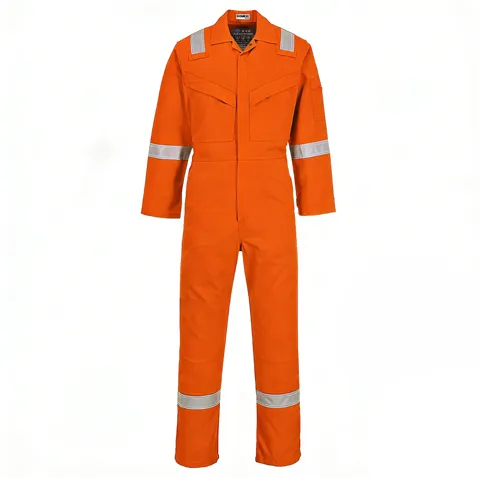
FR Coveralls – Full-body protection in high-risk environments
Multi-hazard workwear combining flame resistance, anti-static, and arc flash protection
These garments are commonly used in industries where heat and flame hazards are present.
FR workwear meeting EN ISO 11612 can be made from different types of flame-resistant fabrics.
Two common fabric technologies include:
Inherently Flame-Resistant Fabrics
Flame resistance is built into the fiber structure and remains effective throughout the garment’s life.
Treated Flame-Resistant Fabrics
The base fabric is treated with flame-resistant chemicals to provide protection.
Both types can meet EN ISO 11612 requirements when properly engineered and tested.
Proper maintenance is important to preserve the protective performance of FR clothing.
Recommended care practices include:
Follow manufacturer washing instructions
Avoid using bleach or fabric softeners
Wash FR garments separately from contaminated clothing
Inspect garments regularly for damage or wear
Proper care helps ensure the garment continues to provide reliable protection.
EN ISO 11612 is one of the most important global standards for flame-resistant protective clothing. It ensures that garments used in hazardous industrial environments are tested to withstand heat and flame exposure.
By choosing certified FR workwear that complies with EN ISO 11612, companies can improve workplace safety, reduce injury risks, and ensure workers remain protected in demanding environments.