English
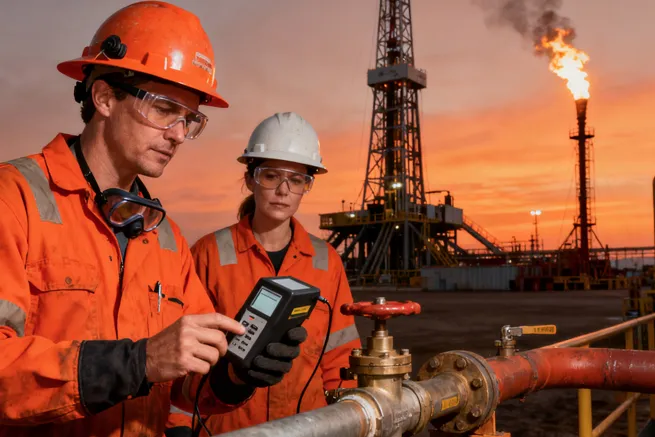
Flame-resistant and arc flash protective clothing are no longer optional in modern industrial workplaces — they are core safety requirements. In environments where workers face heat, flames, or electrical hazards, the right protective workwear can mean the difference between minor injury and life-threatening harm.
This article outlines the core topics every safety manager and industrial buyer should understand when selecting flame-resistant and arc flash PPE.
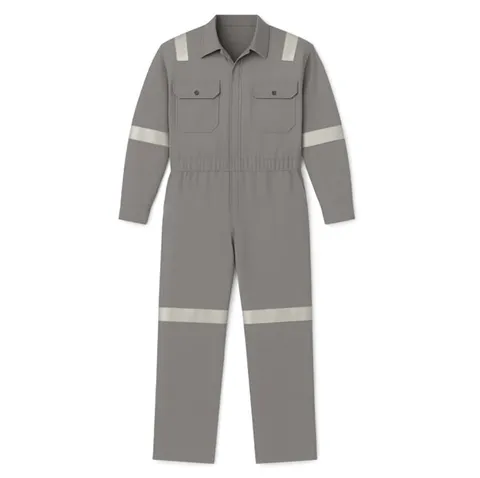
Flame-resistant (FR) workwear is designed to resist ignition, self-extinguish after flame exposure, and prevent fabric melting or dripping. Its primary purpose is to reduce burn injuries during flash fires or heat exposure.
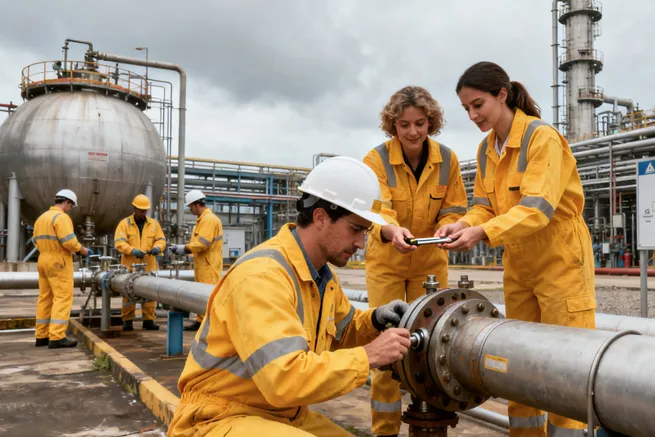
FR clothing is widely used in oil & gas, petrochemical, utilities, and industrial maintenance operations where thermal risks are present.
An arc flash is a sudden electrical discharge that releases extreme heat and energy in a fraction of a second. Arc-rated clothing is engineered to protect workers from the thermal effects of these events.
Common arc flash garments include:
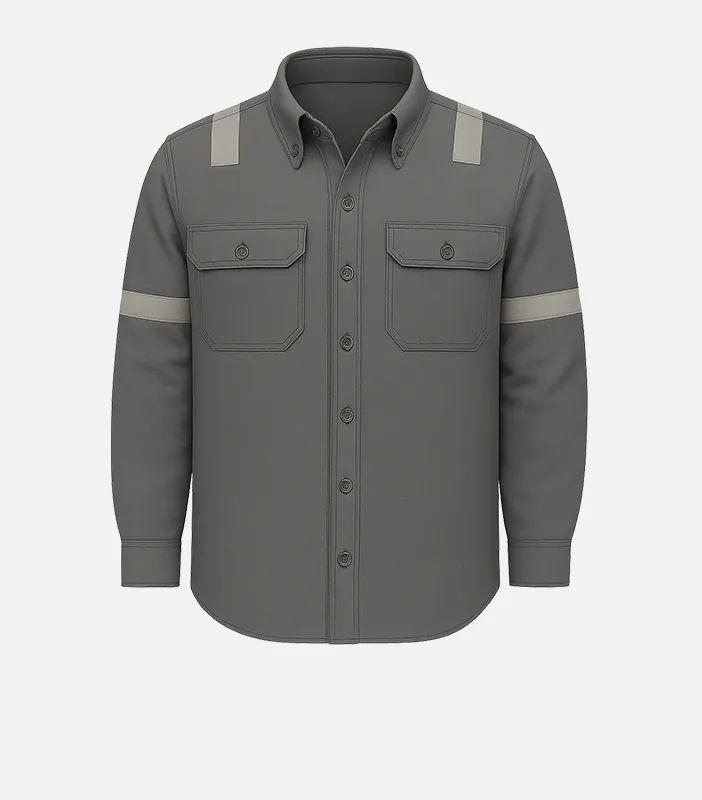
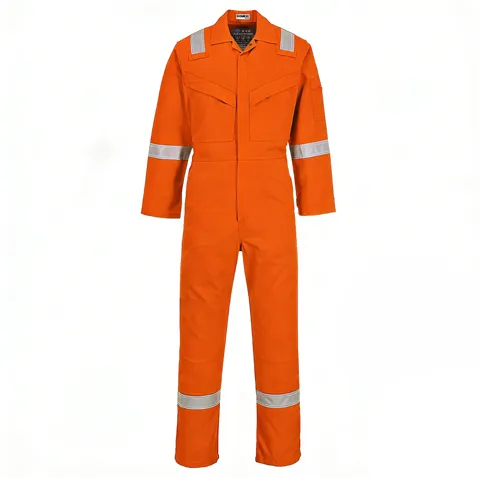
Arc flash coveralls
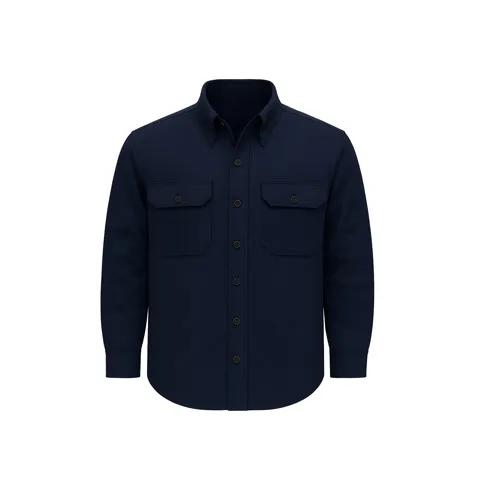
Arc flash jackets
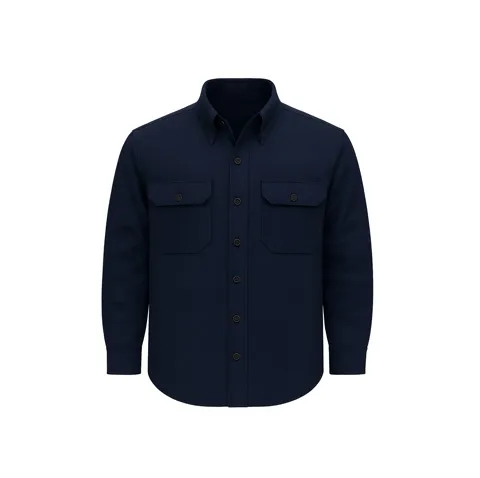
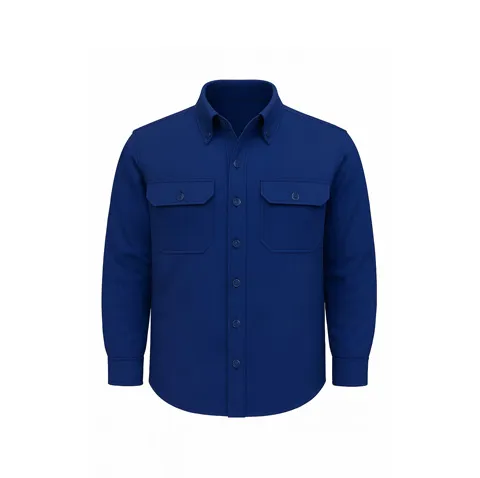
Arc flash shirts and pants
These garments are tested and rated to withstand specific levels of incident energy.
Many industrial environments involve multiple hazards, including fire, heat, static electricity, and electrical arcs. Combining flame-resistant and arc flash protection in one garment helps:
Reduce injury severity
Improve compliance with safety programs
Enhance worker confidence and productivity
Electrical utilities and power generation
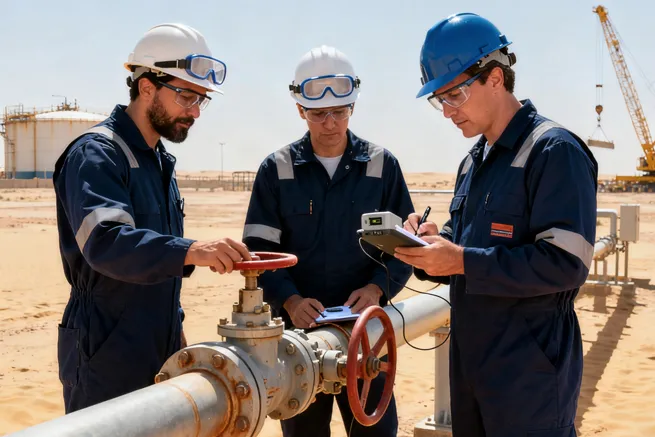
Oil & gas exploration and refining
Petrochemical and chemical plants
Heavy industry and industrial maintenance
To ensure long-term protection:
Choose certified flame-resistant and arc-rated garments
Match protection levels to workplace risk assessments
Follow proper laundering and maintenance guidelines
Well-selected and well-maintained PPE delivers reliable performance throughout its service life.
Flame-resistant and arc flash protective clothing form the foundation of industrial safety programs in high-risk environments. Understanding these core protection principles helps companies safeguard workers, meet safety requirements, and build a stronger safety culture.