English
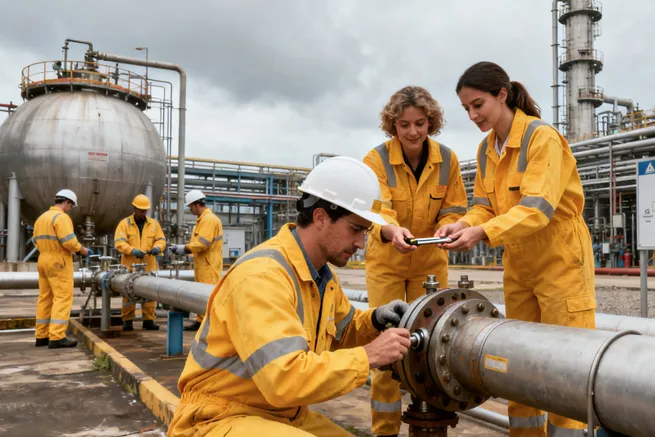
Flame-retardant workwear plays a critical role in protecting workers in high-risk industrial environments where exposure to heat, flames, or flash fire is a daily reality. In industries such as oil & gas, electrical utilities, petrochemical processing, and heavy manufacturing, ordinary workwear can become a serious hazard once ignited.
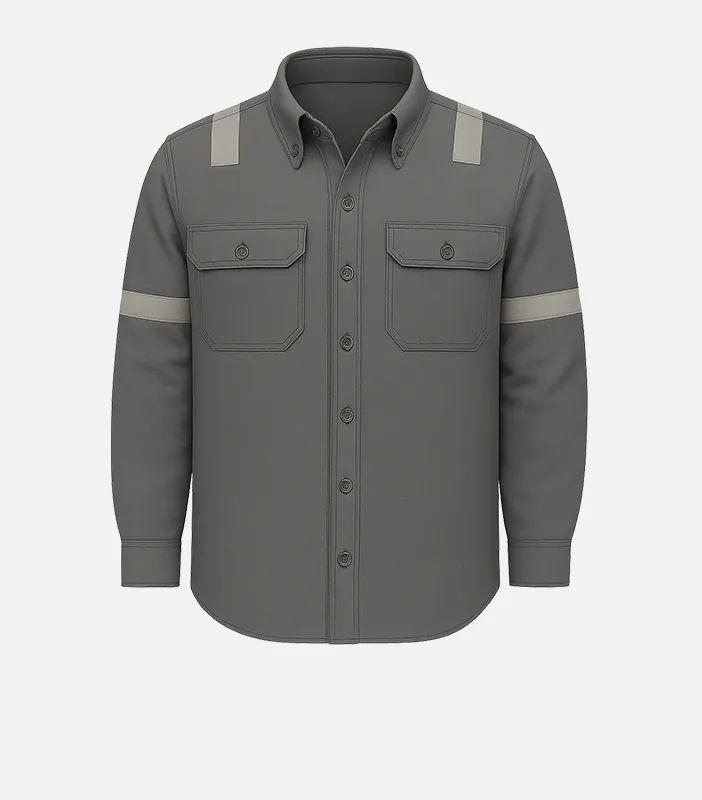
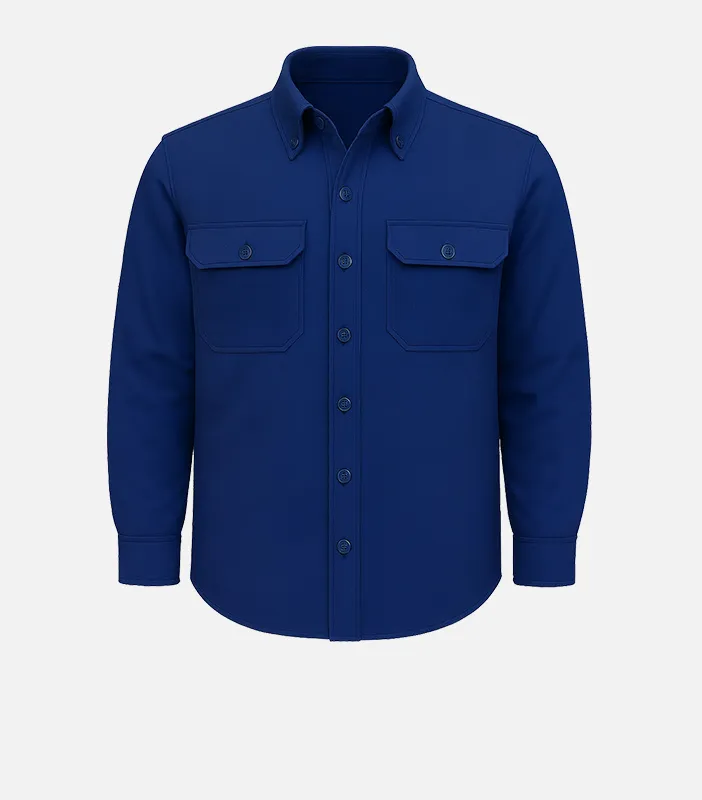
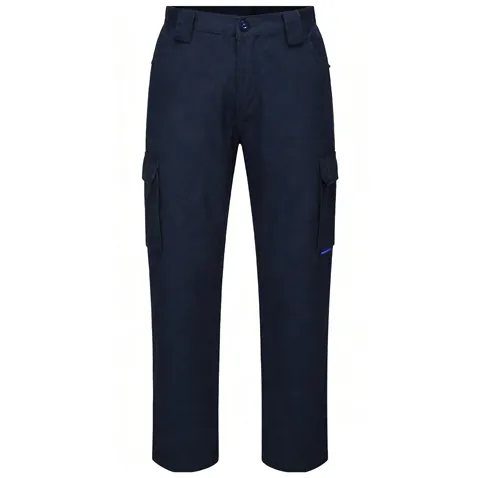
Flame-retardant (FR) clothing is specifically designed to resist ignition, self-extinguish when the heat source is removed, and reduce burn injuries, giving workers valuable time to escape dangerous situations.
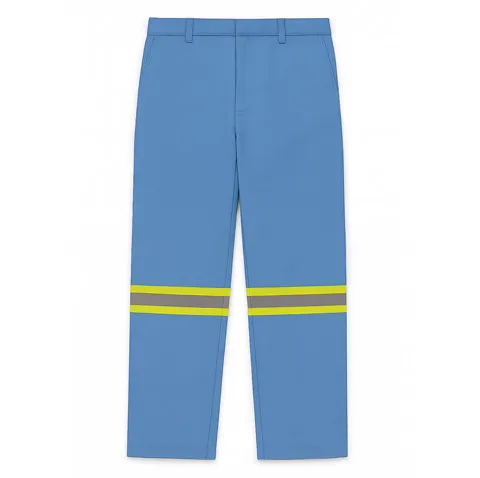
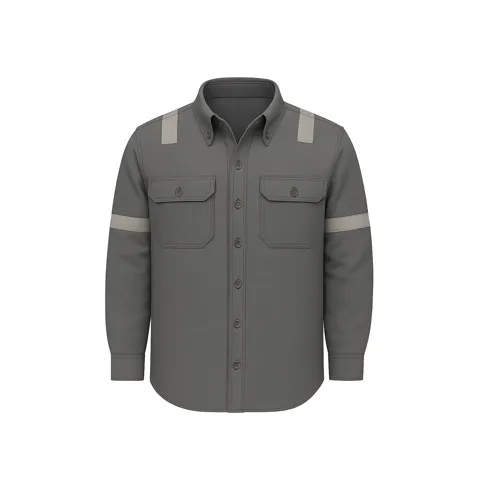
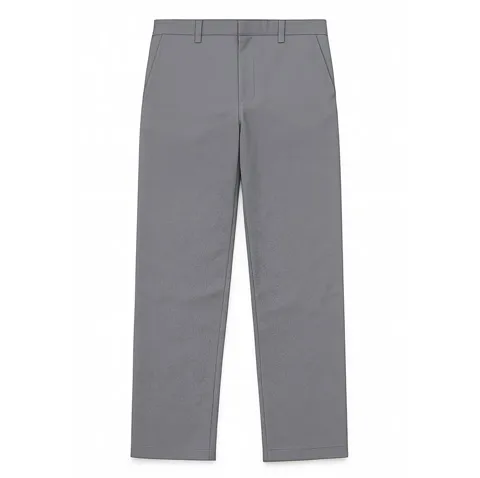
Flame-retardant workwear refers to protective garments made from fabrics that are engineered to limit flame spread and prevent continued burning. Unlike regular clothing, FR garments do not melt or drip when exposed to high temperatures, helping to minimize secondary injuries.
FR workwear can be produced using inherent flame-resistant fibers or durably treated fabrics, both of which are designed to meet strict industrial safety requirements when properly manufactured and maintained.
1. REDUCES BURN INJURIES
Most severe workplace burn injuries occur when clothing continues to burn after initial exposure. Flame-retardant garments help stop this process.
2. PROTECTS AGAINST FLASH FIRE HAZARDS
Short-duration flash fires can reach extreme temperatures. FR workwear is designed to perform under these sudden, intense conditions.
3. SUPPORTS SAFETY COMPLIANCE
Certified flame-retardant clothing helps companies meet international PPE and industrial safety standards, reducing compliance risks.
Flame-retardant workwear is essential for workers in:
Oil & gas operations
Electrical and utility maintenance
Petrochemical and chemical plants
Welding and metal processing
Industrial maintenance environments
To maintain protection, flame-retardant garments must be properly cared for:
Follow recommended industrial washing instructions
Avoid bleach and fabric softeners
Inspect garments regularly and replace damaged items
Correct maintenance ensures long-term performance and worker safety.
Flame-retardant workwear is not just a uniform — it is a vital layer of protection in hazardous workplaces. Selecting certified FR garments and maintaining them correctly helps protect workers, reduce injury risks, and strengthen overall safety programs.