English
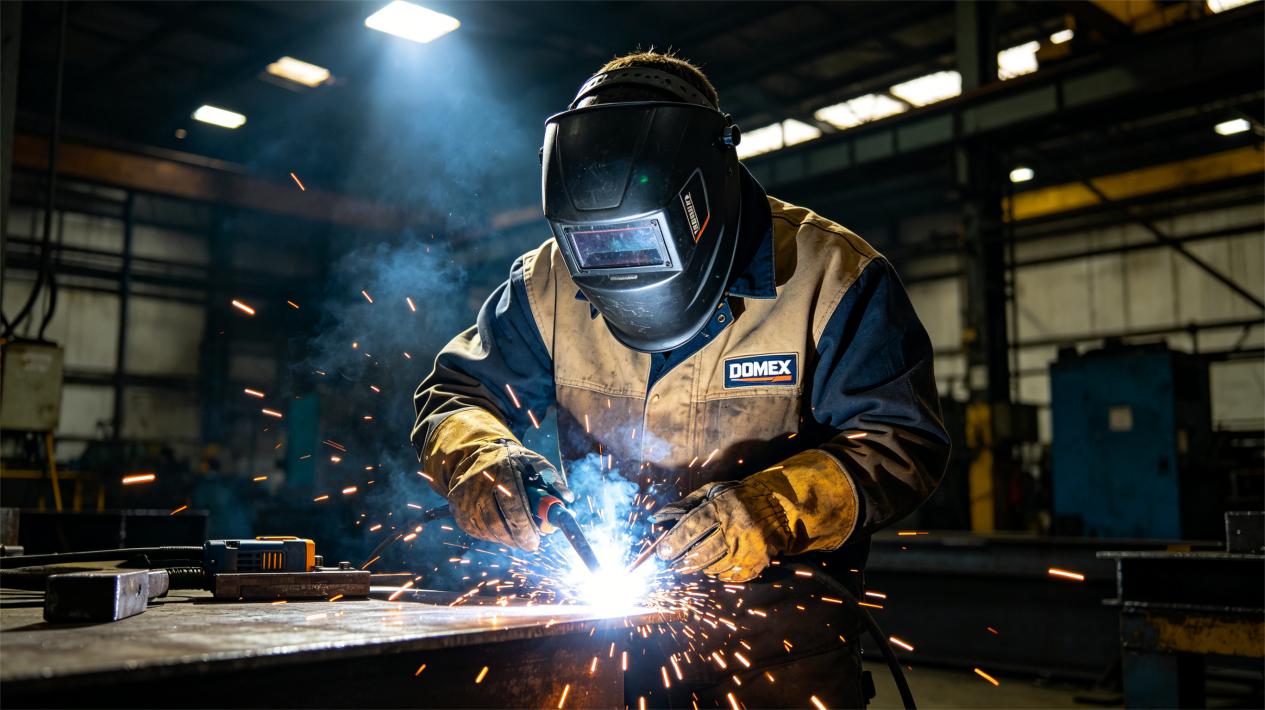
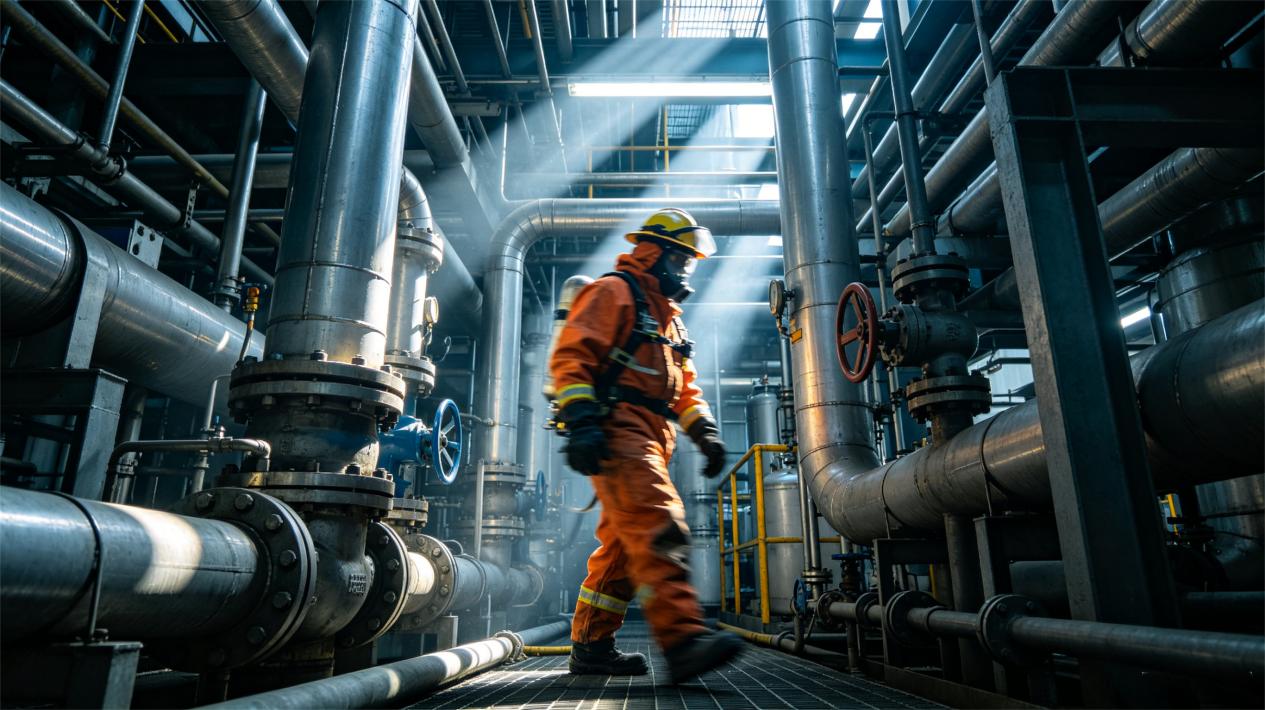
Flame resistant (FR) workwear plays a critical role in protecting workers exposed to heat, flames, arc flash, and industrial fire hazards. It is widely used in industries such as oil and gas, welding, chemical processing, power utilities, and heavy manufacturing.
However, not all FR clothing offers the same level of protection. Fabric type, certification standards, and garment construction all directly affect safety performance in real working environments.
This guide explains how FR workwear works, where it is required, and how to select the right solution for industrial applications.
Flame resistant workwear is designed to reduce the risk of injury in high-heat or flame-related environments. Unlike ordinary garments, FR clothing is engineered to self-extinguish when the ignition source is removed, helping prevent the spread of fire on the fabric surface.
FR garments are not fireproof, but they significantly reduce burn injury severity by limiting flame propagation and heat transfer.
FR clothing is commonly used in industries where workers are exposed to:
Open flames or welding sparks
Electrical arc flash risks
Oil and gas operations
Chemical processing environments
High-temperature industrial production
In many regions, FR clothing is required under safety regulations such as NFPA 2112, EN ISO 11612, and ASTM F1506.
FR workwear is generally made from two types of materials:
1. Treated FR Fabrics
These are cotton or cotton-blend fabrics treated with flame retardant chemicals.
Comfortable and breathable
Cost-effective for large-scale use
FR performance may reduce over time with washing
2. Inherent FR Fabrics
These fabrics are made from flame resistant fibers such as aramid or modacrylic.
Permanent flame resistance
High durability under harsh conditions
Higher cost but longer service life
When selecting FR clothing, industrial buyers should consider:
Workplace hazard level (low / medium / high risk)
Required safety standards (NFPA, EN ISO, ASTM)
Fabric weight and comfort in working climate
Washing frequency and durability requirements
Long-term cost vs replacement cycle
A well-designed FR program balances protection, comfort, and lifecycle cost.
The same FR standard can perform differently depending on fabric quality and garment design.
Key factors include:
Fabric composition
Weave structure
Garment fit and layering
Heat and flame exposure level
Maintenance and washing conditions
Choosing the right FR solution is not only about compliance, but also about real-world usability.
DOMEX Safety provides industrial flame resistant workwear solutions for global industries including oil and gas, electrical utilities, welding operations, and manufacturing.
Our FR product range includes:
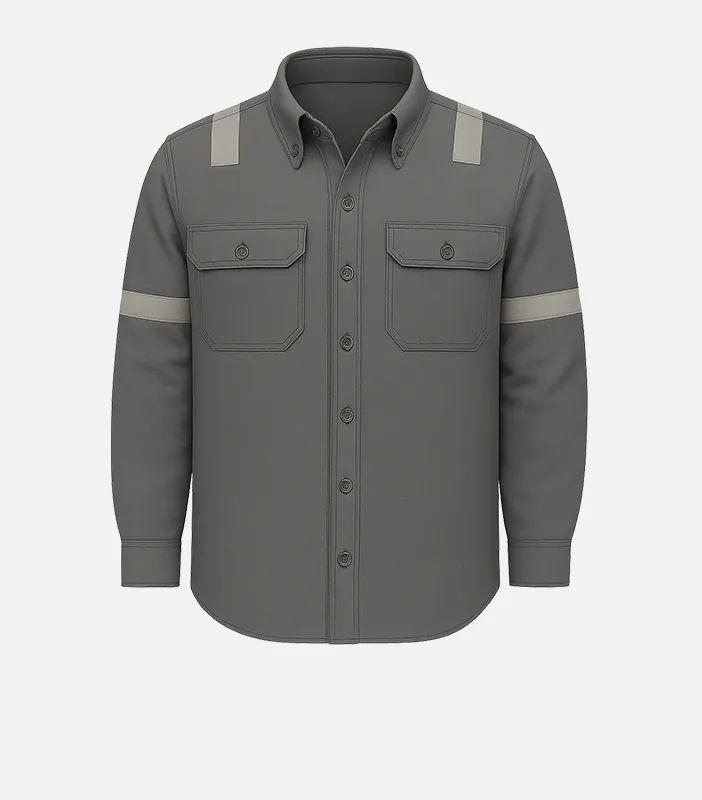
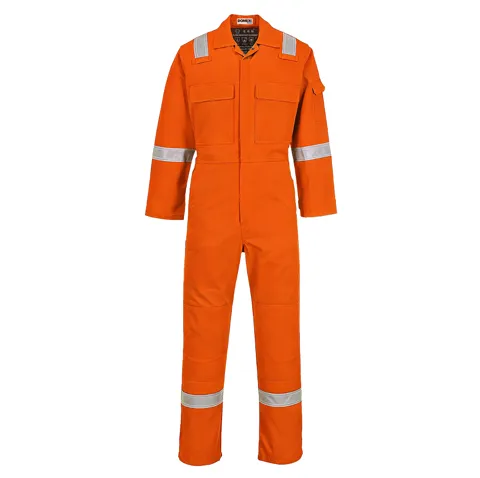
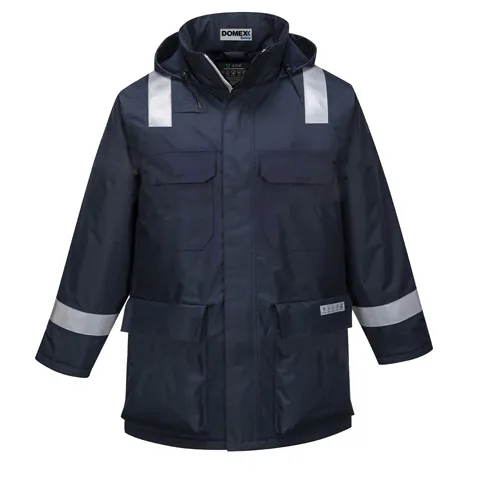
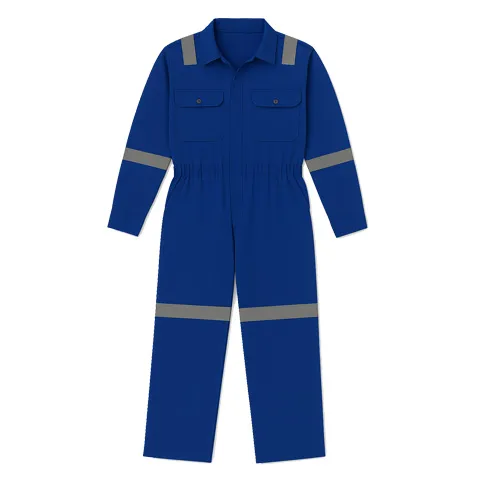
FR coveralls
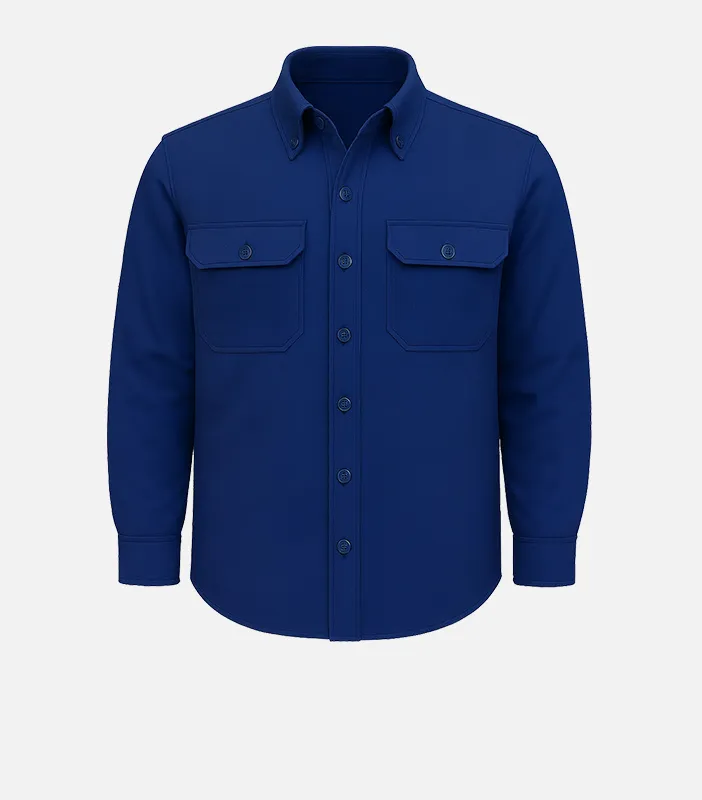
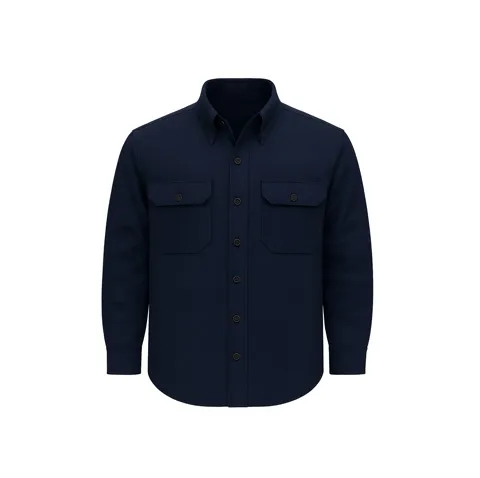
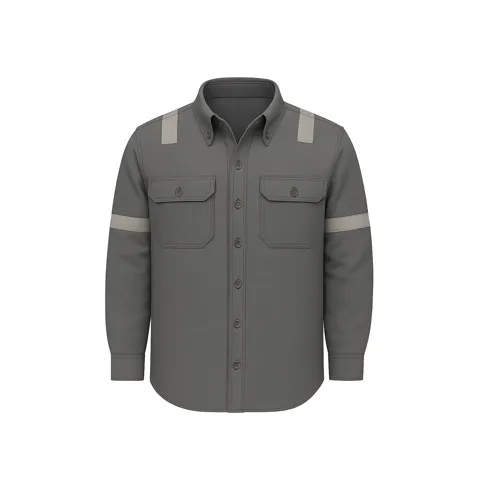
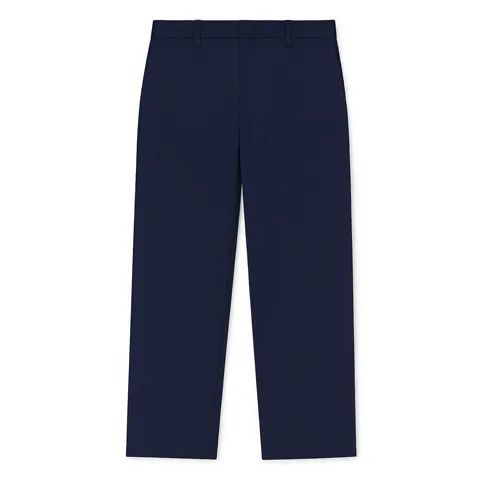
FR jackets and pants
Lightweight FR summer workwear
Multi-hazard protective clothing
We support OEM and custom manufacturing based on specific industry requirements.
Flame resistant workwear is a fundamental part of industrial safety systems. Understanding fabric types, safety standards, and application environments is essential for selecting the right protective solution.
A properly designed FR program helps improve worker safety, compliance, and long-term operational efficiency.