English
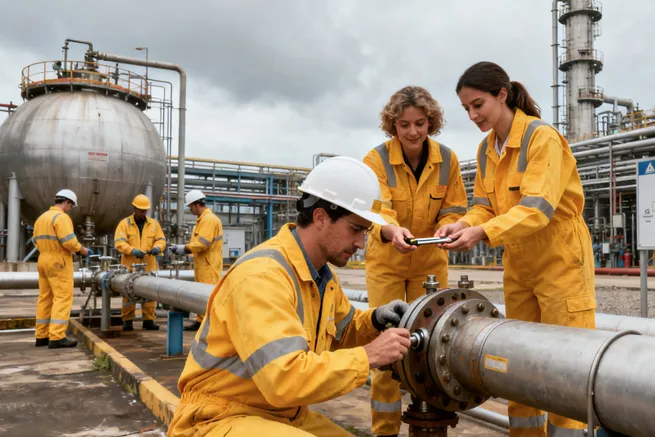
In many industrial environments, static electricity is an invisible yet extremely dangerous safety hazard. Tiny static sparks may seem harmless, but in places filled with flammable gases, combustible dust, solvents, or delicate electronic equipment, they can cause fires, explosions, product contamination, or costly equipment damage.
Therefore, antistatic workwear has become an essential component of workplace safety in industries such as petrochemicals, electronics, pharmaceuticals, and manufacturing. Appropriate antistatic clothing helps reduce the accumulation of static electricity during worker movement and daily operations, thus creating a safer working environment for both personnel and equipment.
We will explain how antistatic workwear works, which industries require it, the most important international standards, and factors to consider when choosing high-quality antistatic clothing.
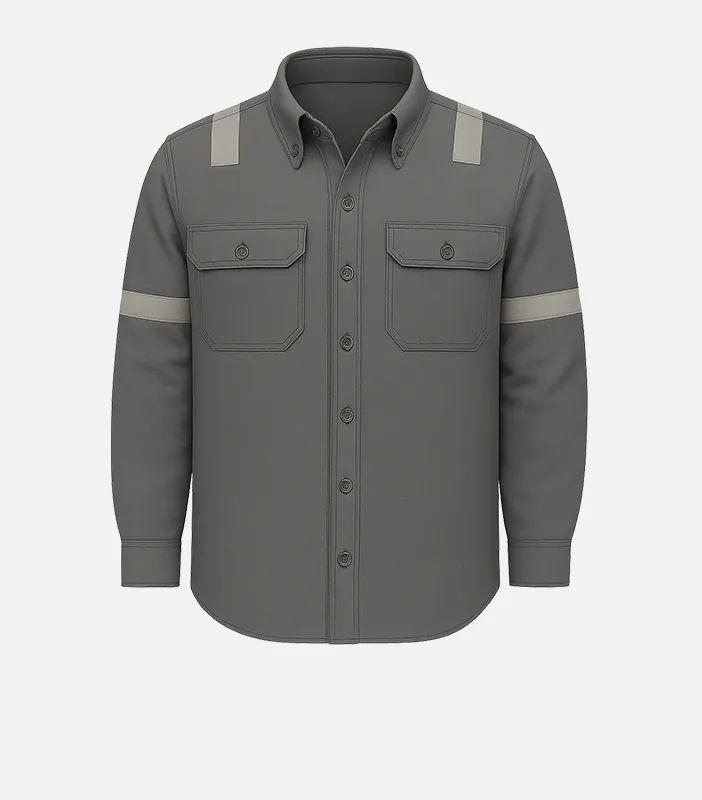
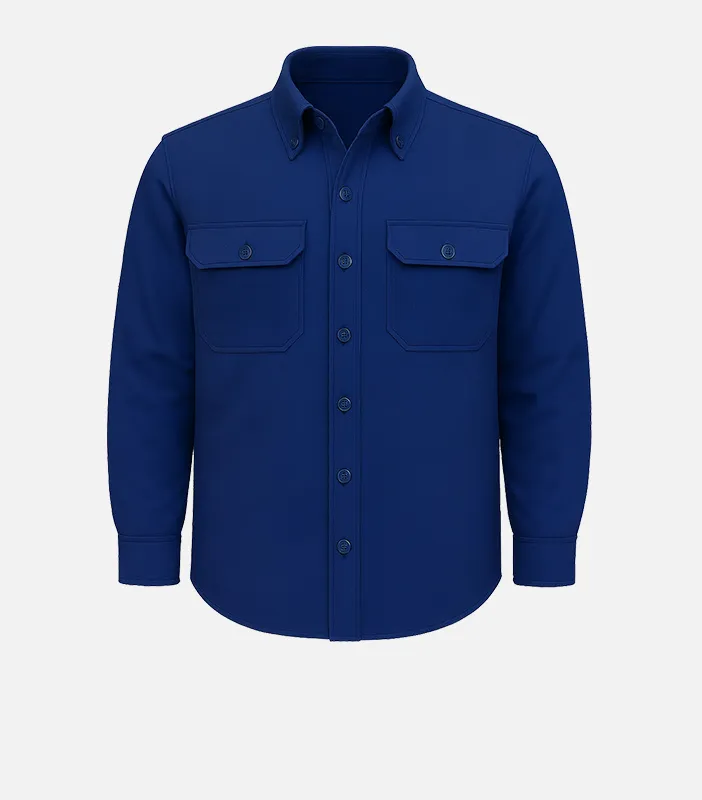
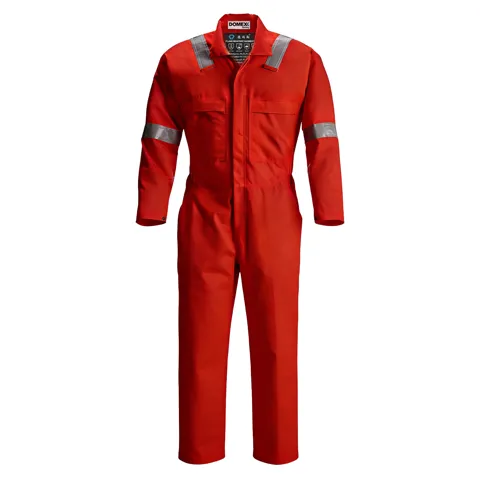
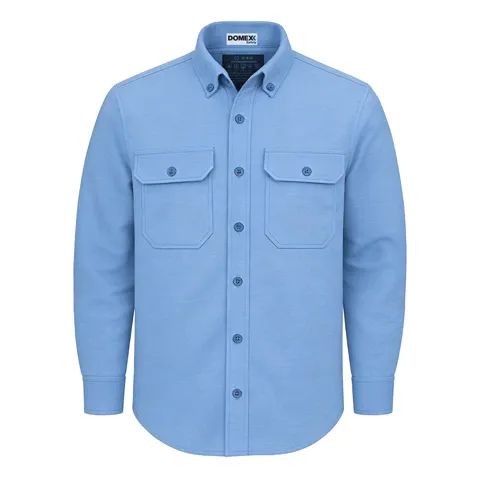
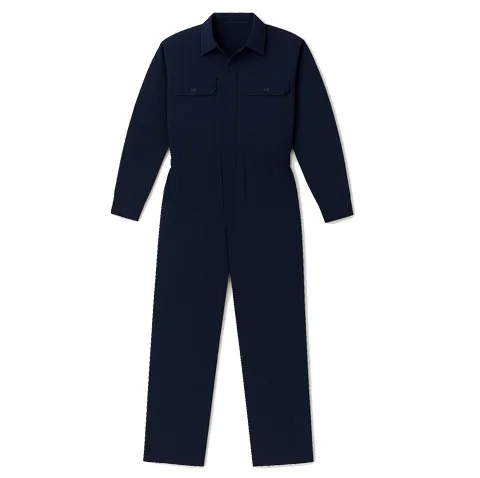
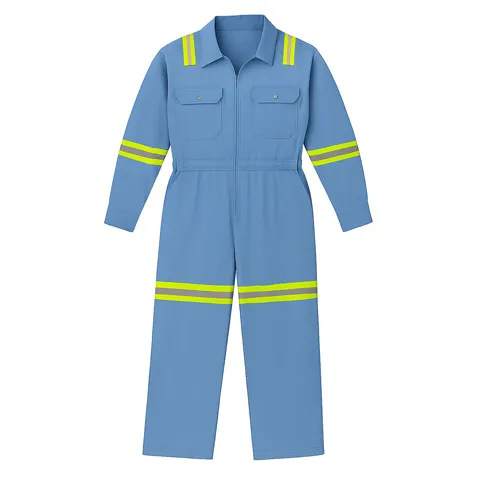
Antistatic work clothes are specially designed protective garments with conductive fibers woven into the fabric. These conductive yarns help safely dissipate static charges generated by the body during movement or work activities.
Unlike ordinary cotton or polyester uniforms, professional antistatic clothing is designed to: reduce static electricity buildup on the body, prevent electrostatic discharge (ESD), and minimize dust adsorption in sensitive environments.
Antistatic fabrics contain conductive fibers that form a microscopic conductive network on the surface of the garment.
This system functions primarily in two ways:
It safely releases static charge into the air or a grounding system;
It prevents static electricity from accumulating to dangerous levels.
By controlling electrostatic discharge, antistatic work clothes help reduce the risk of sparks in hazardous environments containing flammable materials, gases, or combustible dust.
Anti-static clothing is widely used in industries where electrostatic discharge could create safety hazards or product quality issues.
Common applications include:
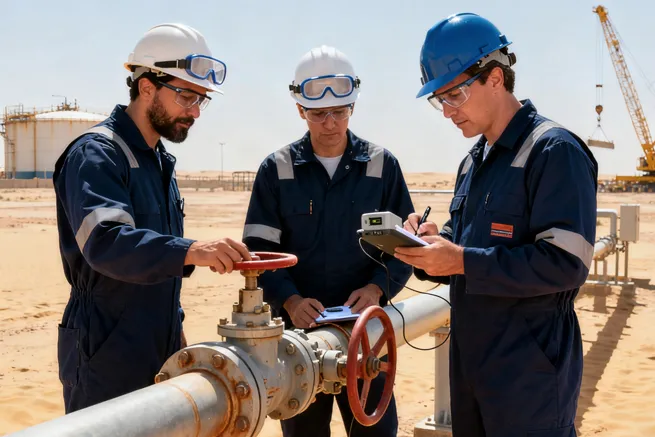
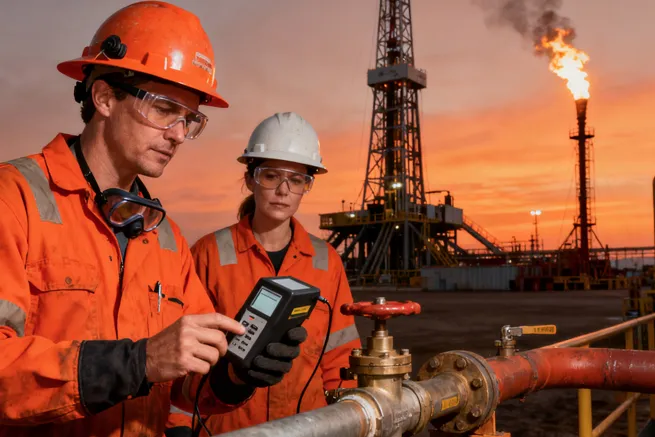
Petrochemical plants
Oil depots and gas stations
Chemical manufacturing
Pharmaceutical factories
Paint, coating, and ink production
Flour mills and feed processing
Woodworking and dust-heavy workshops
Electronics manufacturing
Semiconductor production
Cleanrooms
Lithium battery and new energy facilities
Aerospace manufacturing
In many of these industries, anti-static workwear is mandatory under workplace safety regulations.
Different regions apply different standards for anti-static protective clothing.
Region | Standard | Main Focus |
Europe | EN 1149 | Electrostatic protective clothing performance |
International | IEC 61340 | Electrostatic control for electronics industries |
China | GB 12014-2019 | Fabric resistance, testing methods,garment requirements |
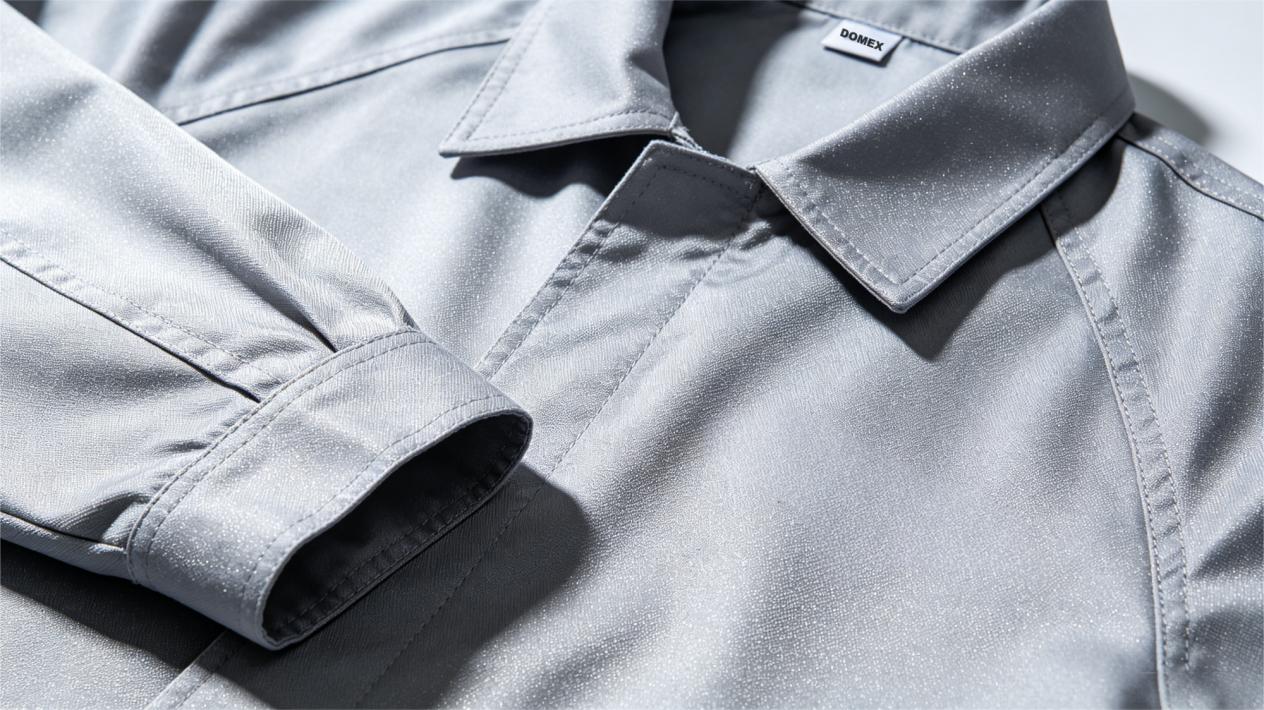
Not all anti-static garments provide the same level of protection. When selecting anti-static PPE, consider the following factors:
Certification
Always verify compliance with recognized standards such as:
GB 12014-2019
EN 1149
IEC 61340
Certified garments provide more reliable electrostatic protection.
Fabric Construction
Choose garments with conductive fibers woven directly into the fabric rather than temporary anti-static surface treatments, which may lose effectiveness after repeated washing.
Comfort and Breathability
Workers often wear anti-static clothing for long shifts, especially in factories and cleanrooms. Lightweight, breathable, and skin-friendly fabrics help improve comfort and productivity.
Garment Design
Proper garment construction also matters. Look for:
Secure cuffs and collars
Reinforced seams
Comfortable fit
Functional pockets and closures
Well-designed garments help maintain continuous electrostatic protection.
Proper care is crucial for maintaining antistatic performance.
Recommended care methods include:
Washing with a neutral detergent
Avoid using bleach and high-temperature washing
Do not alter or cut the garment
Regularly check the garment for wear and tear or stains
Replace damaged garments as needed
In addition, it is recommended that workers wear pure cotton or dedicated antistatic underwear under their antistatic clothing to create a complete static discharge circuit and prevent protection failure.
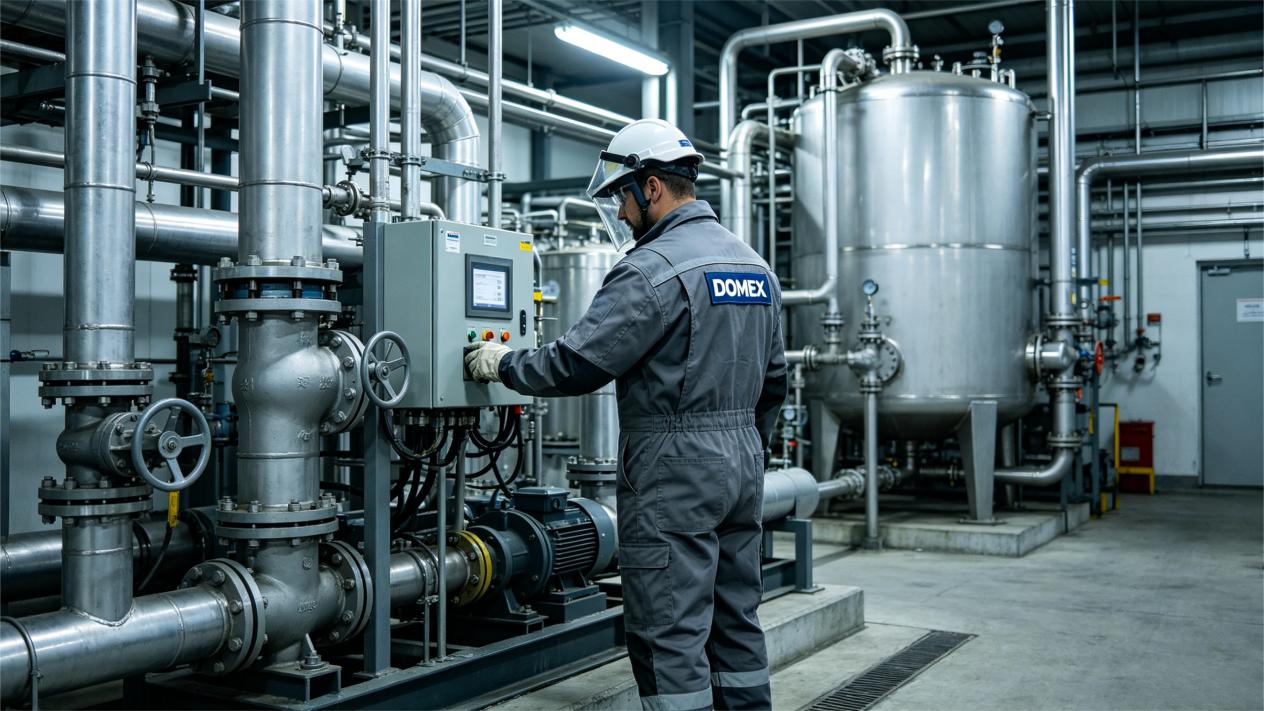
DOMEX has over many years of experience in industrial protective clothing, offering antistatic workwear designed specifically for harsh industrial environments.
Key advantages include:
Compliant with GB 12014-2019 and EN 1149 standards
Made with durable conductive fabric for long-lasting antistatic performance
Breathable and comfortable for extended wear
Offers dustproof and cleanroom fit options
Customization services available, including logos, colors, and sizes
Export solutions for global distributors and industrial buyers
What are the uses of antistatic workwear?
Antistatic workwear helps reduce static electricity buildup and prevents spark discharges that could ignite flammable materials or damage sensitive electronic components.
Is antistatic clothing mandatory in electronics factories?
Yes. Electronics manufacturing and semiconductor factories typically require antistatic clothing to prevent electrostatic discharge (ESD) damage to sensitive components.
What is the difference between antistatic clothing and flame-retardant clothing?
Antistatic clothing controls electrostatic discharge, while flame-retardant clothing protects workers from fire and heat hazards. Some industries require clothing that combines both properties.
Although static electricity is invisible, the risks it poses in industrial environments are real. Choosing certified antistatic workwear helps reduce workplace hazards, improve operational safety, and protect workers and equipment.
Understanding standards such as GB 12014-2019, EN 1149, and IEC 61340 can help safety managers, purchasing personnel, and distributors select antistatic clothing suitable for specific industrial applications.
DOMEX focuses on the design and innovation of specialized protective apparel, with deep expertise in core safety technologies such as flame resistance and anti-static protection. We provide safe and reliable professional protective solutions for the industrial, electrical, oil, and chemical sectors, and are committed to becoming a globally trusted protective brand.