English
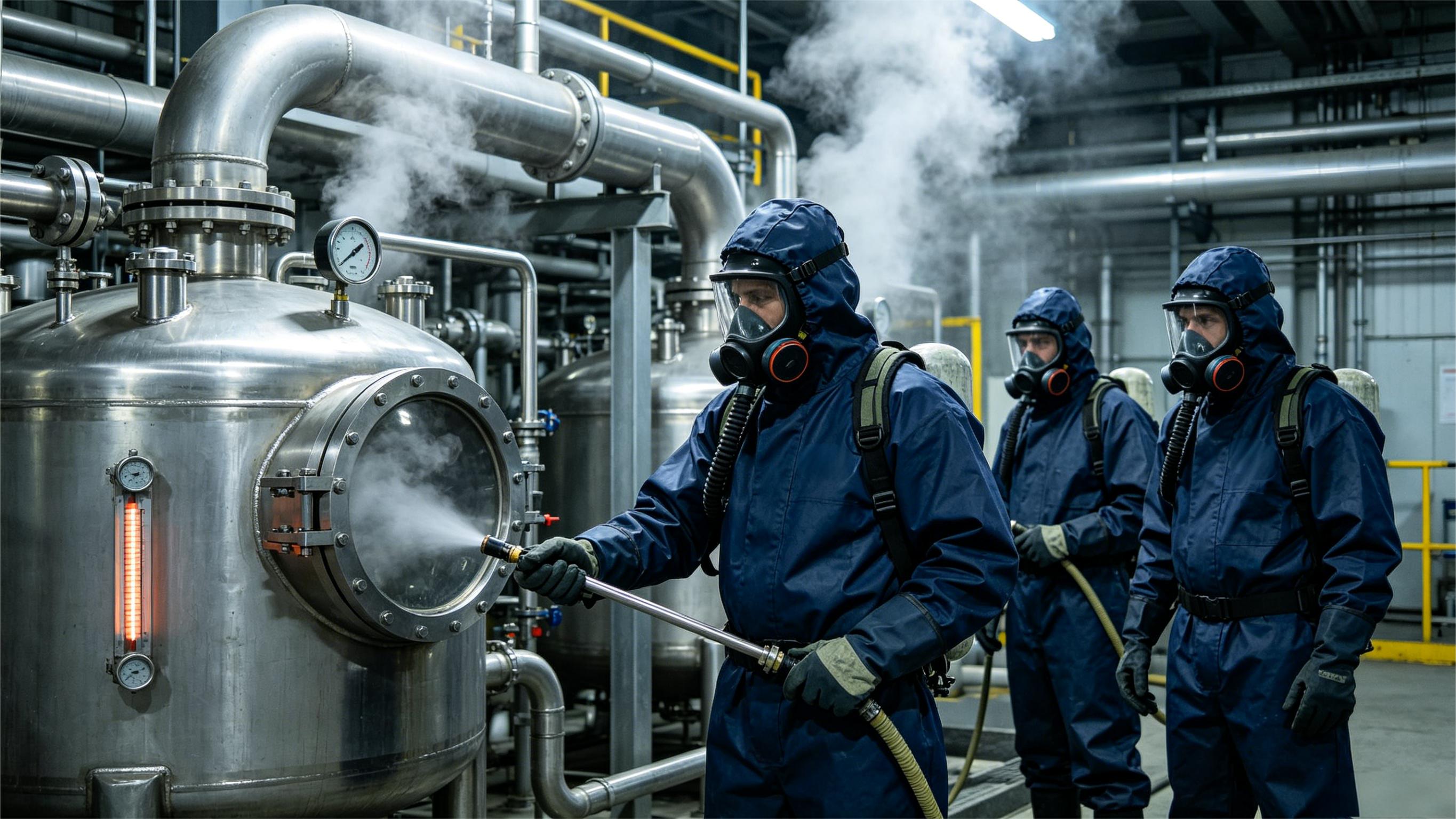
Chemical hazards are present in many industrial environments, from chemical plants and laboratories to oil refineries and manufacturing facilities. Exposure to corrosive liquids, toxic vapors, chemical dust, or industrial solvents can lead to serious skin injuries, respiratory problems, poisoning, and long-term health risks.
Selecting the right chemical protective workwear is one of the most important steps in reducing these dangers. However, different hazards require different levels of protection, and not all protective garments are designed for the same working conditions.
This guide explains the most common types of chemical hazards, key international safety standards, and how to select suitable chemical protective clothing based on real workplace risks.
Chemical risks vary depending on the substance, exposure method, and working environment. Understanding the hazard type is the first step when selecting protective clothing.
Corrosive acids, alkalis, and industrial solvents are commonly found in chemical processing, pharmaceutical production, and laboratory operations.
Examples include:
Sulfuric acid
Sodium hydroxide
Acetone
Methanol
These substances may cause severe skin burns or chemical absorption through direct contact.
Some industrial chemicals release harmful vapors or gases that may affect the respiratory system or penetrate unsuitable fabrics.
Typical examples include:
Chlorine gas
Ammonia
Volatile organic compounds (VOCs)
These hazards are commonly present in refineries, spray painting operations, petrochemical plants, and industrial cleaning processes.
Fine chemical powders and contaminated dust can create both health and contamination risks.
Common applications include:
Mining operations
Agricultural chemical handling
Metal processing
Industrial manufacturing
Protective garments for dust environments should help minimize particle penetration and contamination transfer.
Some industrial tasks involve multiple risks at the same time, such as liquid splashes combined with vapor exposure or flammable environments.
Examples include:
Chemical cleaning
Industrial degreasing
Hazardous waste handling
These applications may require multi-layer protective garments or clothing systems combining chemical resistance, flame resistance, and anti-static protection.
Compliance with recognized standards helps ensure protective performance and product reliability.
Region | Standard | Main Focus |
China | GB 24540-2021 | Chemical splash protection |
Europe | EN 14605 | Liquid-tight and spray-tight protection |
North America | ASTM F1001 | Chemical resistance evaluation |
International | ISO 6529 | Resistance to chemical penetration |
Different industries and regions may require different certification systems depending on workplace regulations and project specifications.
Liquid Splashes: Prioritize liquid-tight fabrics with sealed seams (e.g., PVC-coated cotton, neoprene blends).
Vapors/Gas: Choose non-permeable or semi-permeable membranes (e.g., Tyvek® composites) to prevent vapor absorption.
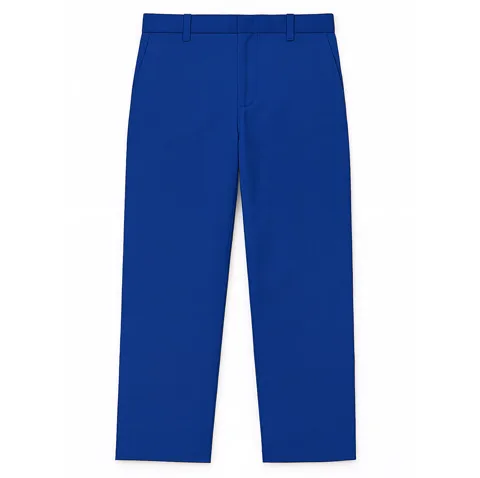
Solid Dust/Powder: Choose dustproof fabrics with elastic cuffs/waist and hoods to prevent dust ingress. Mixed Hazards: Consider multi-layered composite fabrics (e.g., flame-retardant layer + chemically resistant layer) or combination suits (CP jacket + flame-retardant trousers).
Low Risk (Occasional Minor Splashes): GB 24540 Class 1 / EN 14605 Type 3 – Lightweight and breathable protective clothing suitable for laboratory sampling or cleaning work.
Medium risk (frequent splashes/vapors): GB 24540 Level 2 / EN 14605 Type 4 – Liquid-tight protective clothing with sealed seams, suitable for chemical production lines.
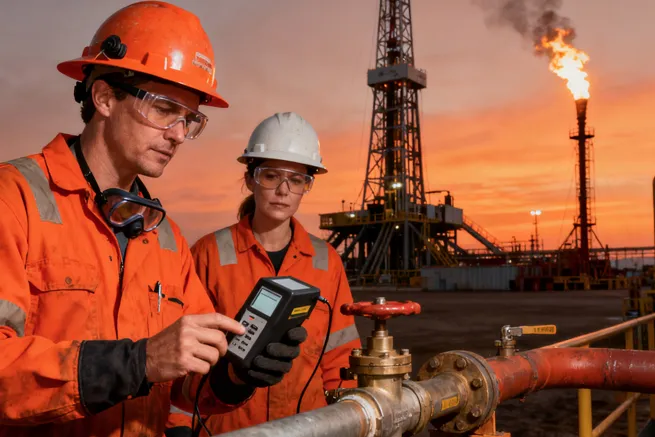
High risk (large splashes/toxic gases): GB 24540 Level 3 / EN 14605 Type 5 – Full-body protective clothing, compatible with respiratory protection equipment (suitable for oil refineries, hazardous waste handling).
Hot climates (Middle East, Southeast Asia): Choose breathable and moisture-wicking linings.
Cold environments (Europe, Northern China): Protective clothing with thermal insulation layers, suitable for outdoor chemical operations.
Mobility requirements (assembly lines, maintenance): Elastic fabrics and flexible joints.
Before purchasing chemical protective garments, it is important to review both certification and practical performance characteristics.
Important factors include:
Chemical compatibility with target substances
Tear and abrasion resistance
Breathability and wearer comfort
Garment weight and flexibility
Third-party certification and test reports
Reliable manufacturers should provide documentation supporting product compliance and material testing.
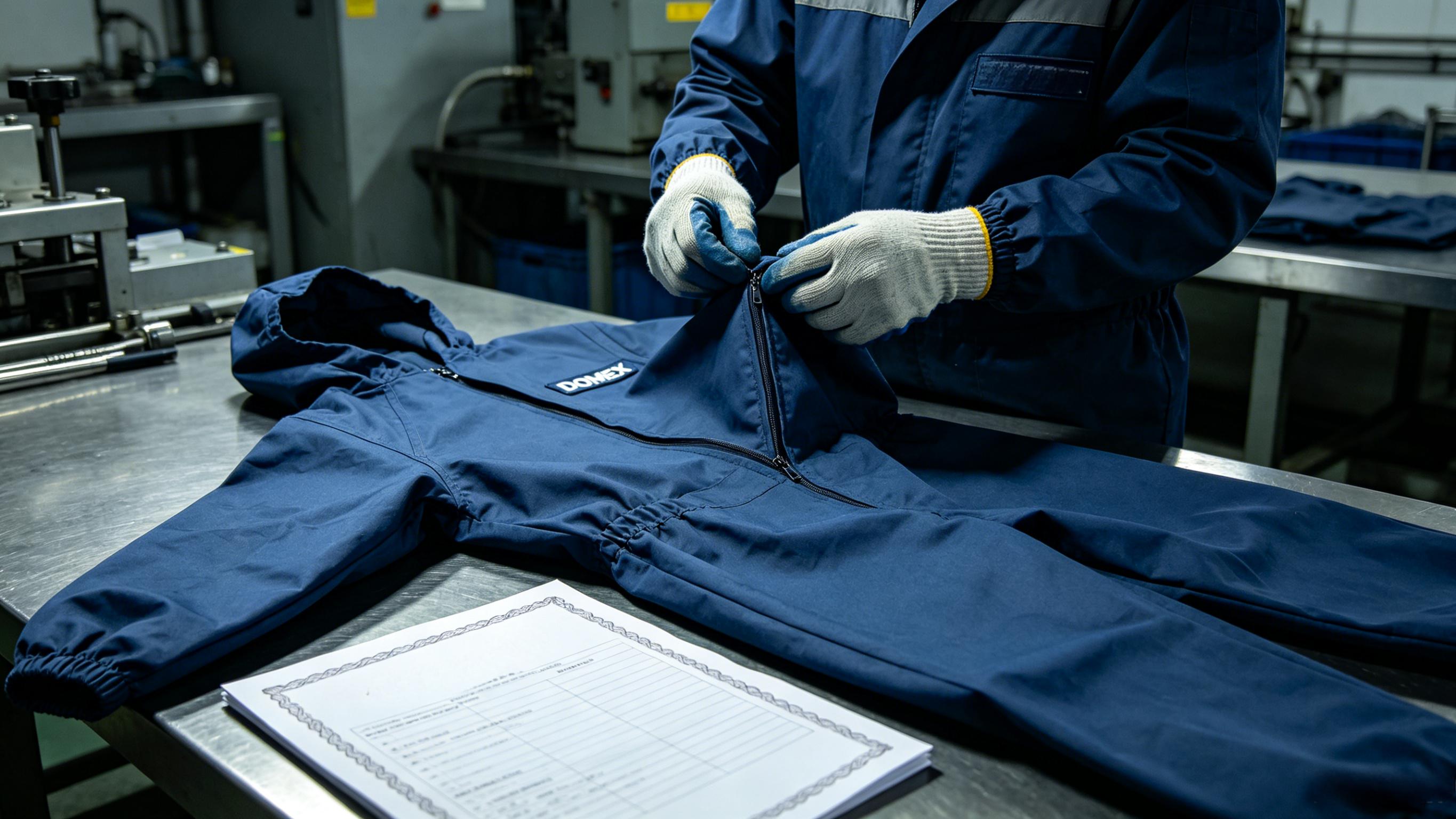
Proper maintenance helps extend garment performance and reduce contamination risks.
Recommended practices include:
Clean garments promptly after exposure
Use mild detergents
Inspect garments before each use
Replace damaged or contaminated garments immediately
Store in cool and dry conditions away from direct sunlight
Worker training is also important to ensure proper donning and removal procedures, helping reduce cross-contamination risks.
Choosing chemical protective workwear is not simply about selecting thicker fabrics or higher protection levels. The right solution depends on the specific chemical hazards, exposure risks, working environment, and operational requirements.
Understanding standards such as GB 24540-2021, EN 14605, ASTM F1001, and ISO 6529 can help companies select protective clothing that balances safety, comfort, durability, and workplace practicality.
Zhejiang Dexiang Special Fabric Clothing Co., Ltd. focuses on the development and innovation of industrial protective clothing, specializing in flame resistant, anti-static, and multi-hazard protective solutions for industries including oil & gas, utilities, chemical processing, and manufacturing. Through continuous product development and international-standard manufacturing, DOMEX Safety is committed to providing reliable protective solutions for industrial workers worldwide.