English
Choosing the correct arc flash PPE starts with understanding Hazard Risk Category (HRC) levels. These levels—defined under NFPA 70E—identify the severity of arc flash exposure and guide workers toward the right level of protection. Here's a fast, practical breakdown to help safety managers make confident decisions.
HRC (Hazard Risk Category) levels classify the incident energy (cal/cm²) a worker may be exposed to during an arc flash.
They range from HRC 0 to HRC 4, with each level requiring PPE that can withstand increasing thermal energy.
HRC 0 – Minimal Risk
Incident Energy: < 1.2 cal/cm²
PPE Required: No arc-rated PPE; standard workwear is acceptable.
Ideal for low-risk electrical environments.
HRC 1 – Low Risk
Incident Energy: 1.2 – 4 cal/cm²
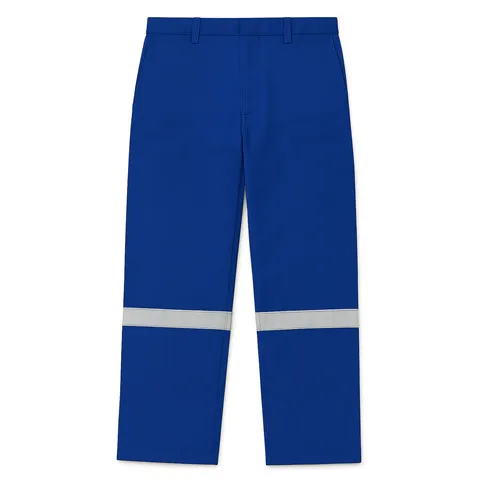
PPE Required: Basic FR shirts & pants, ifr clothing recommended for consistent protection.
Suitable for routine electrical maintenance.
HRC 2 – Moderate Risk
Incident Energy: 4 – 8 cal/cm²
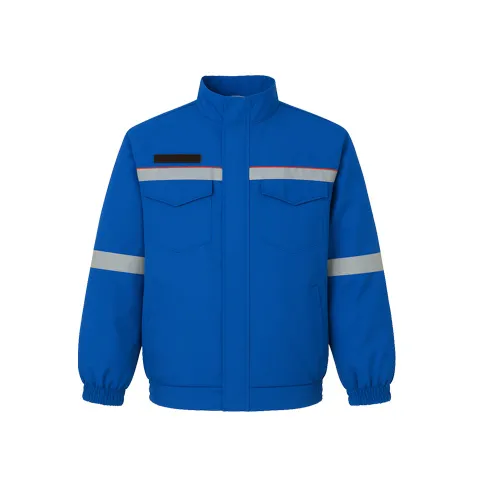
PPE Required: Arc-rated shirts, pants, jackets.
Workers need enhanced thermal protection.
HRC 3 – High Risk
Incident Energy: 8 – 25 cal/cm
PPE Required: Full arc flash suit, face shield, helmet, gloves.
Protection for environments with severe arc flash potential.
HRC 4 – Extreme Risk
Incident Energy: > 25 cal/cm²
PPE Required: Heavy-duty multi-layer arc flash suit, hood, gloves.
Only the highest-rated PPE is suitable.
Ensures worker safety by matching PPE to the actual hazard
Meets NFPA 70E compliance requirements
Reduces injury risk, downtime, and operational accidents
Improves PPE purchasing decisions and avoids under- or over-protection
HRC is calculated based on:
Equipment voltage
Available fault current
Working distance
Arc duration
A proper arc flash risk assessment or engineering study is essential for determining the correct level of arc protection clothing.
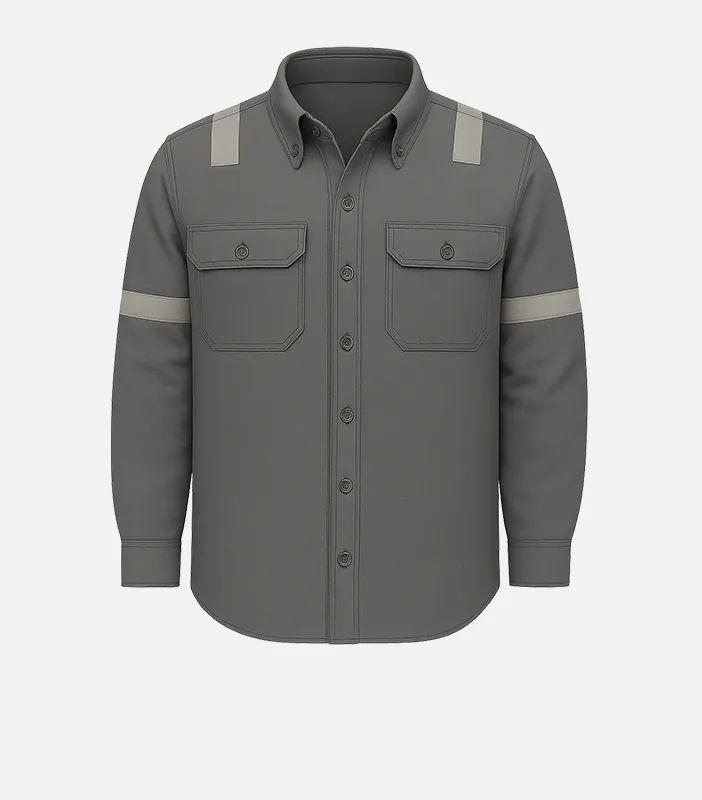
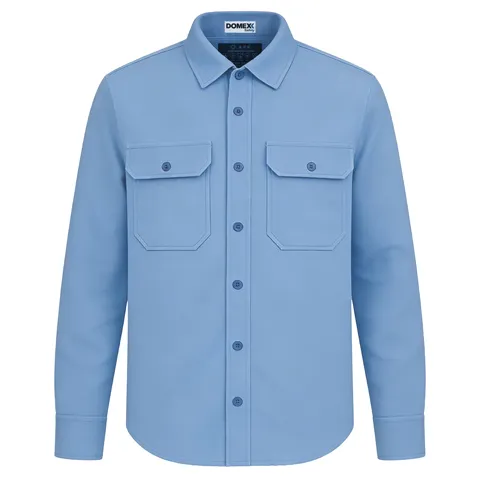
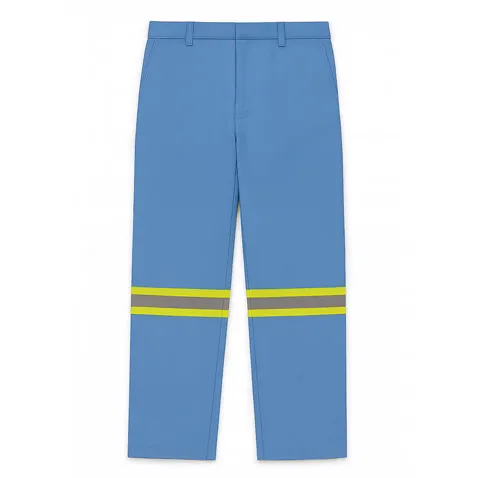
Domex Safety offers a complete range of ARC-rated coveralls, jackets, shirts, and pants compliant with:
NFPA 70E
ASTM F1506
IEC 61482-2
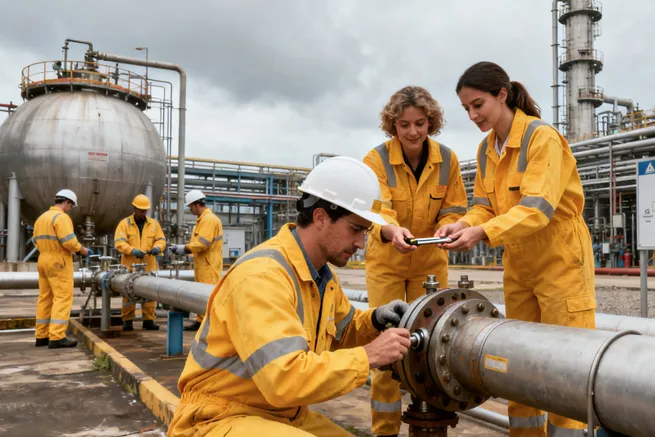
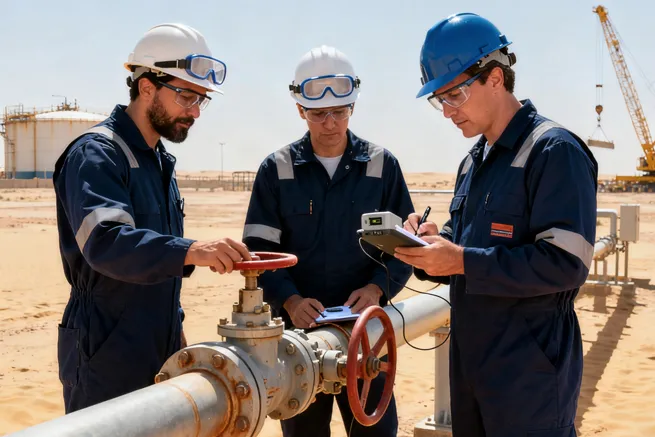
Our FR and IFR garments deliver proven performance, durability, and comfort for electrical utilities, oil & gas, and industrial maintenance.