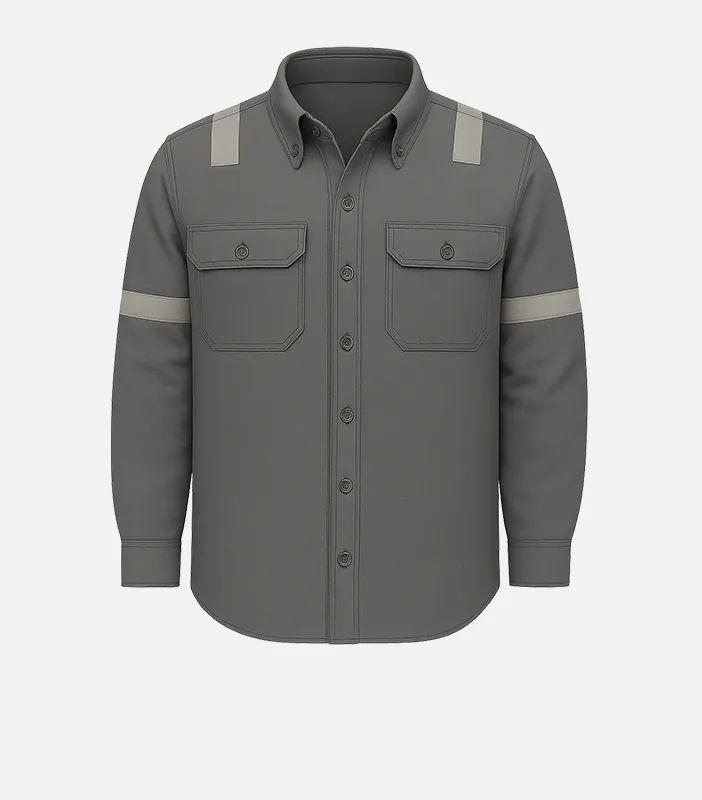
Industrial workwear faces extreme conditions every day — heat, abrasion, chemicals, and heavy use. But one factor often overlooked is industrial washing, which can rapidly degrade garments that lack ...
1. Why UV Protection Matters for Outdoor WorkersOutdoor workers—especially in construction, oil & gas, utilities, and agriculture—are exposed to long hours of direct sunlight. UV radiation can c...
High-visibility (hi-vis) clothing becomes even more critical during night operations, where low light dramatically reduces worker visibility. Whether in roadwork, utilities, construction, mining, or e...
High-visibility (hi-vis) clothing is more than a requirement—it's one of the most effective ways to prevent workplace accidents. Whether in construction, road work, utilities, logistics, or indus...
Static electricity is a hidden risk in industrial workplaces, especially in oil & gas, chemical plants, and manufacturing facilities. Choosing the right anti-static fabric is essential for prevent...
Industrial worksites—especially oil & gas, chemical plants, utilities, and manufacturing—require more than just “protective clothing.” Two of the most essential categories are anti-static clot...
Static electricity may seem harmless—but in oil & gas environments, a single spark can trigger catastrophic fires or explosions. That’s why anti-static protection isn't optional; it's a ...
Arc flash hazards don't just threaten the upper body — the legs are often closest to the energy source. That's why arc flash pants are a critical part of every electrical worker's PPE kit...
Choosing the correct arc flash PPE starts with understanding Hazard Risk Category (HRC) levels. These levels—defined under NFPA 70E—identify the severity of arc flash exposure and guide workers towa...
When working around electrical hazards, choosing between arc flash coveralls and arc flash jackets is one of the most important PPE decisions. Both provide arc-rated protection, but their coverage, co...
Selecting flame-resistant (FR) coveralls is a critical part of workplace safety—yet many companies unknowingly choose garments that fail to deliver real protection. Below are the most common mistakes...
Cotton-blend flame-resistant (FR) fabrics continue to be one of the most trusted materials in industrial PPE. For oil & gas, electrical utilities, petrochemical plants, and manufacturing operation...
 English