English
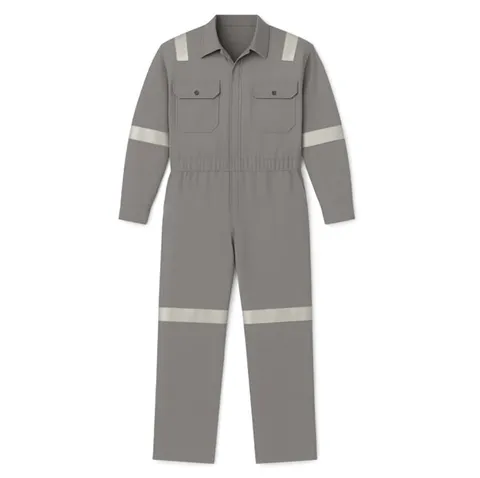
Selecting flame-resistant (FR) coveralls is a critical part of workplace safety—yet many companies unknowingly choose garments that fail to deliver real protection. Below are the most common mistakes and how to avoid them.
Not all FR garments meet global safety standards.
Always verify certification such as:
NFPA 70E
ASTM F1506
EN ISO 11612
IEC 61482-2 (arc flash)
Without proper testing, the fabric may ignite, melt, or shrink excessively under heat exposure. Choosing certified ifr clothing ensures that workers receive verified protection in high-risk industrial environments.
Many buyers only look at "FR" labels but ignore what really matters:
Whether the fabric is inherent FR or treated FR
Arc rating (ATPV / EBT)
Antistatic properties (EN 1149)
Heat & flame spread performance
Poor-quality fabrics degrade quickly, putting workers at risk after only a few washes.
Safety depends on the right fit and durable stitching:
Seams must meet strength requirements (EN ISO 13935-2)
Fit must allow mobility without exposing skin
Reinforced stress areas extend garment life
A poorly constructed coverall may tear during work—eliminating all FR protection.
FR coveralls are not one-size-fits-all.
Different workplaces require different protection levels:
HRC/ARC Levels (0–4)
ATPV / EBT ratings
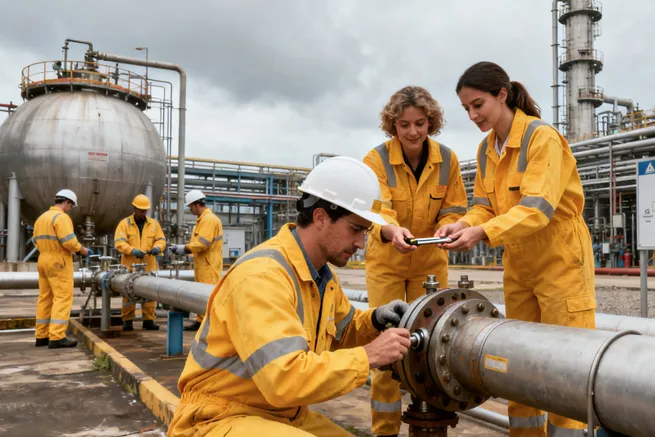
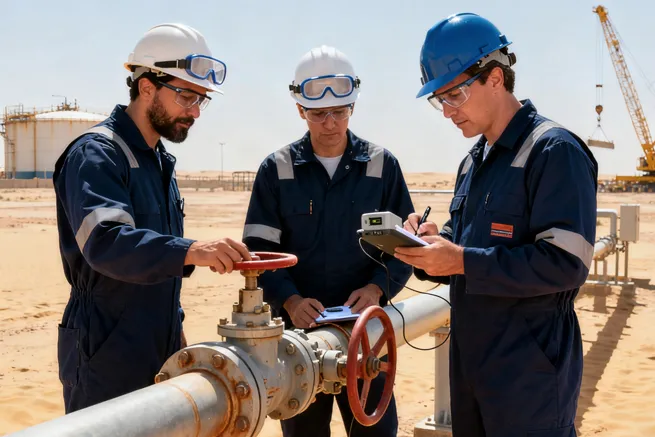
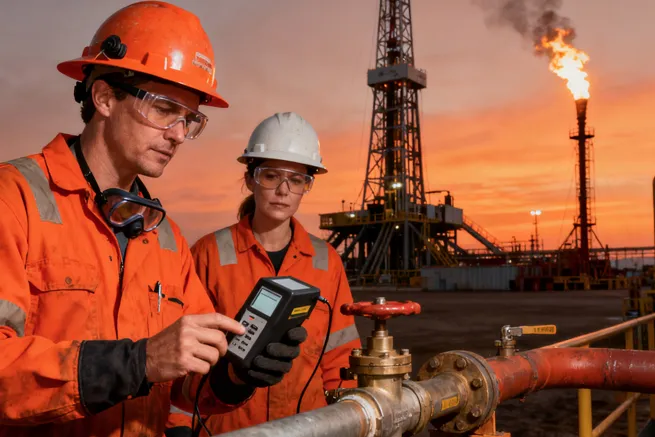
Oil & gas workers need flash-fire protection
Electrical utility workers need arc flash coveralls
Using PPE below the required level leads to severe burn injuries.
FR garments must maintain performance after repeated laundering.
Check compliance with:
ISO 15797 industrial washing
ISO 5077 dimensional change
ISO 105 colorfastness
Incorrect washing can weaken FR treatments and damage antistatic fibers.
Avoiding these common mistakes helps you choose PPE that is safe, durable, and globally compliant.
At DOMEX Safety, we engineer flame-resistant, arc-rated, and anti-static garments certified to NFPA 70E, ASTM F1506, EN ISO 11612, IEC 61482-2, and more—trusted by oil & gas, energy, petrochemical, and industrial clients worldwide.
Protect your workers with PPE that meets the standard—not just the label.