English
In global industrial markets, safety is defined by standards. For companies operating across regions, understanding international PPE standards is essential to selecting compliant protective clothing, reducing risk, and meeting customer and regulatory expectations.
This guide decodes the most commonly referenced standards for flame-resistant, anti-static, arc flash, UV, and high-visibility workwear — in clear, practical terms.
EN ISO 11612
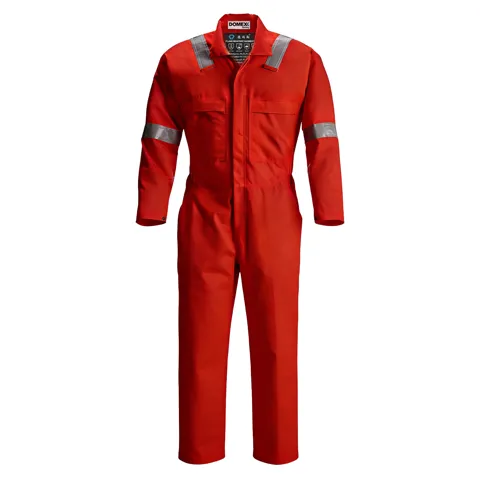
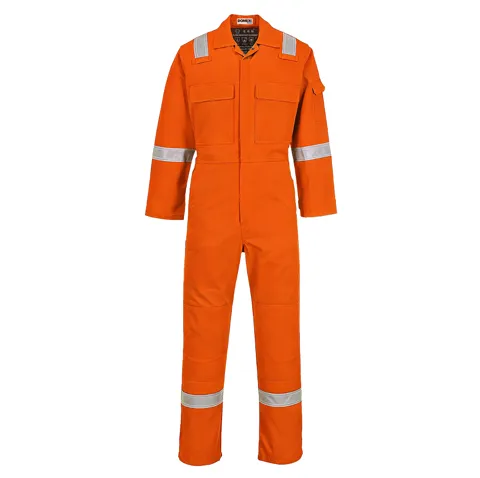
Defines performance requirements for clothing that protects against heat and flame, including limited flame spread, radiant heat, and contact heat. Widely used in oil & gas and industrial environments.
EN 1149-5
Specifies material and design requirements for protective clothing that dissipates static electricity, reducing ignition risks in explosive atmospheres.
IEC 61482-2 / EN 61482
Covers testing methods and performance requirements for arc-rated clothing designed to protect against thermal hazards from electrical arc flash events.
ASTM F1506
Defines minimum performance requirements for arc-rated textiles used in electrical protective clothing.
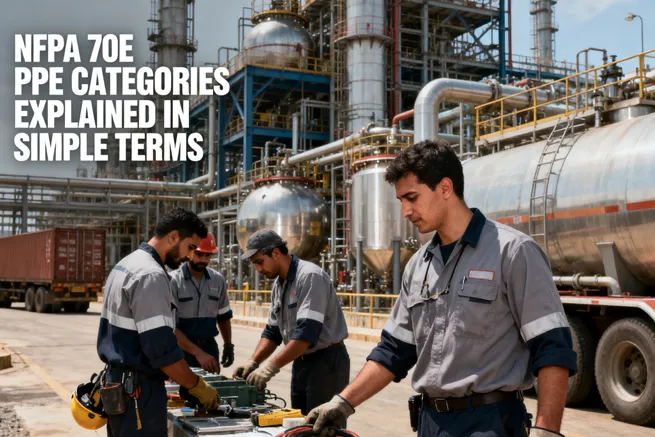
NFPA 70E
Provides guidance on electrical safety in the workplace, including PPE selection based on arc flash hazard analysis.
EN 13758-1 / AS/NZS 4399
Specify testing and classification for UV-protective clothing, helping reduce long-term sun exposure risks for outdoor workers.
ISO 5077 / ISO 105
Measure fabric shrinkage and color fastness after washing, ensuring durability and consistent garment performance.
AS/NZS 1906.4
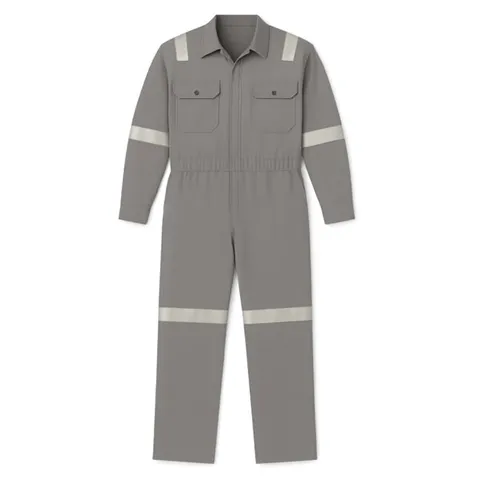
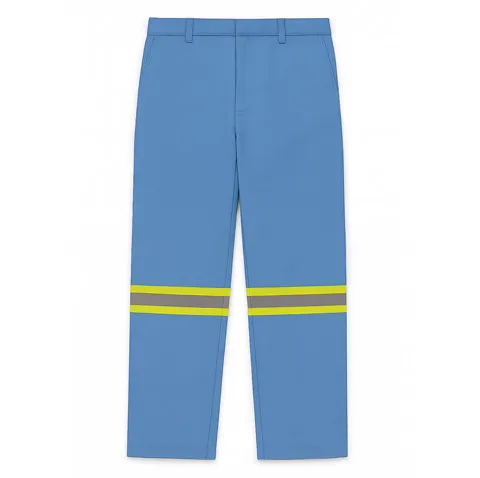
Defines requirements for high-visibility warning clothing using reflective and fluorescent materials.
Understanding international PPE standards helps companies:
Select the correct protection for specific hazards
Ensure compliance across global markets
Improve worker safety and confidence
Reduce operational and legal risks
Standards are not marketing labels — they are the foundation of reliable industrial protection.
Decoding international safety standards empowers companies to make informed decisions about protective clothing. When PPE is selected based on verified standards, safety programs become stronger, more consistent, and globally compliant.