English
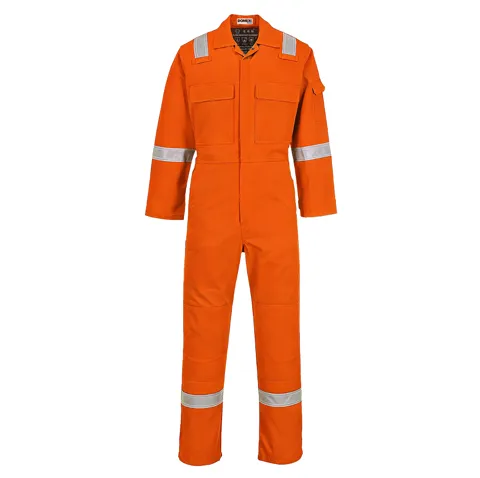
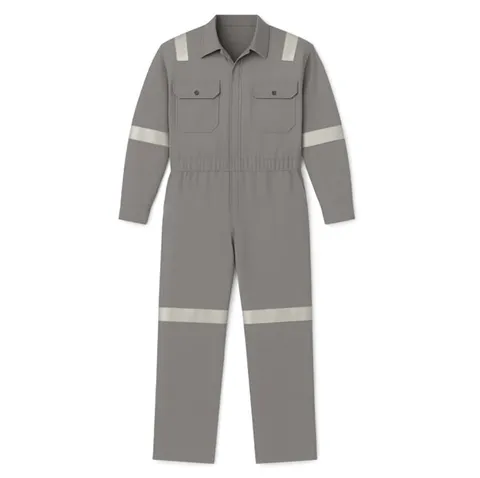
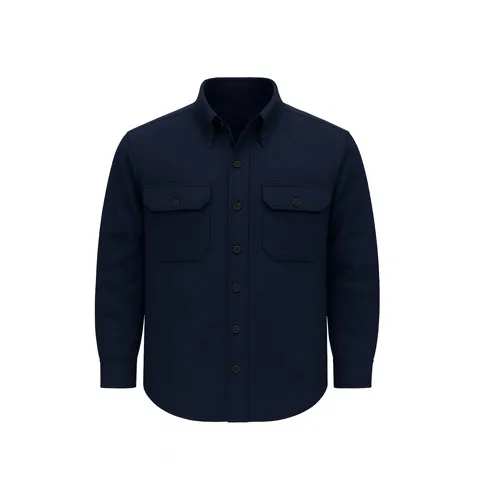
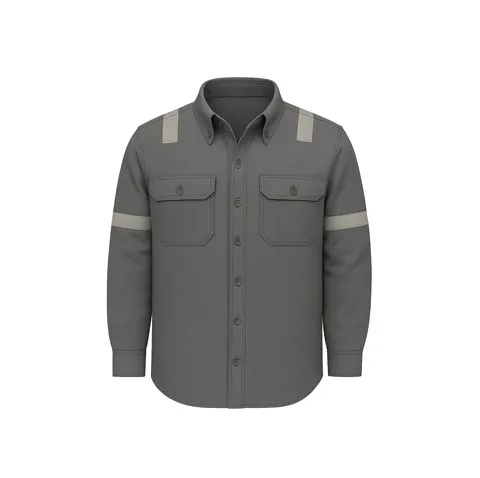
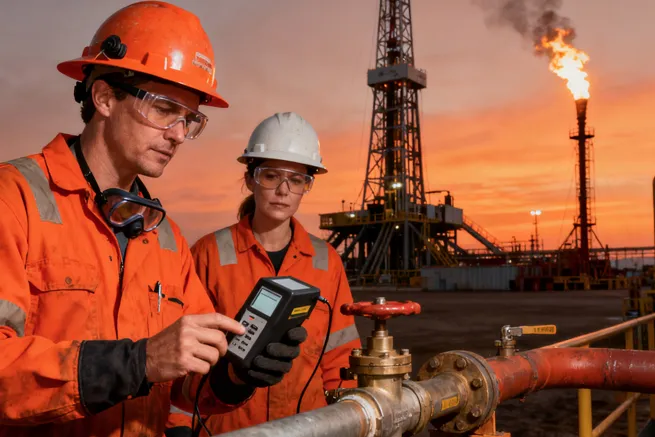
Choosing the right arc flash coveralls is more than a purchasing decision — it’s a critical step in protecting workers from life-threatening electrical hazards. This quick guide helps safety managers understand what to look for when selecting compliant, durable, and comfortable arc flash PPE.
Arc flash protective clothing must comply with internationally recognized standards:
NFPA 70E (U.S.) – Defines PPE categories (CAT 1–4) based on arc energy levels.
EN ISO 11612 – Specifies protection against heat and flame.
IEC 61482-2 / ASTM F1506 – Covers arc testing and performance classification.
Always check that the garment label clearly lists these standards and performance levels.
Every arc flash coverall includes an Arc Thermal Performance Value (ATPV) or Energy Breakopen Threshold (EBT), measured in cal/cm².
CAT 1: 4–8 cal/cm²
CAT 2: 8–25 cal/cm²
CAT 3: 25–40 cal/cm²
CAT 4: 40+ cal/cm²
Select the rating that meets or exceeds the energy exposure identified in your workplace risk assessment.
The best protection is the one workers actually wear. Choose breathable FR fabrics (cotton or blends, 220–300 g/m²) that maintain protection after 50+ industrial wash cycles. Reinforced seams, ergonomic cuts, and adjustable cuffs improve mobility and longevity without sacrificing safety.
For environments with both electrical and static hazards, pick dual-hazard coveralls that comply with EN 1149-5 (antistatic) as well as arc-flash standards. This ensures protection across multiple risk factors in a single garment.
At DomexSafety.com, our arc flash coveralls are engineered to meet EN ISO 11612, EN 1149-5, and NFPA 70E requirements.
Built for comfort, breathability, and lasting compliance, they help safety managers simplify procurement while protecting workers in the toughest environments.