English
With so many international safety standards available, choosing the right protective workwear can be confusing. Flame resistance, arc flash, anti-static, UV protection, high visibility — each hazard requires a specific standard, and selecting the wrong one can leave workers exposed.
This guide helps safety managers, engineers, and buyers identify exactly which PPE standards they need, based on real workplace risks.
If workers are exposed to flames, flash fire, or high heat, flame-resistant clothing is essential.
✅ Choose: EN ISO 11612
This standard defines protection against:
Limited flame spread
Radiant, convective, and contact heat
Typical industries:
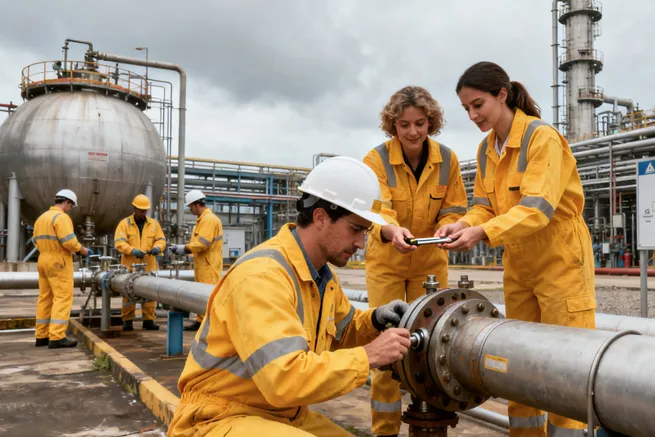
Oil & gas, petrochemical, welding, metal processing, industrial maintenance.
In environments with flammable gases, vapors, or dust, static electricity can trigger explosions.
✅ Choose: EN 1149-5
This standard ensures garments can safely dissipate electrostatic charges and reduce spark risk.
Typical industries:
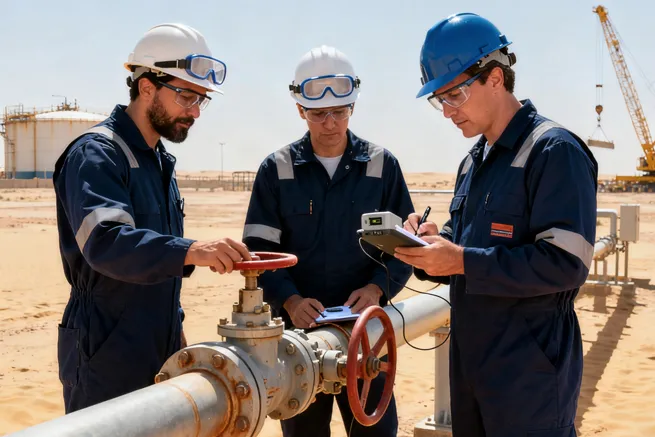
Oil & gas, chemical plants, fuel storage, ATEX environments.
If tasks involve energized electrical equipment, arc flash protection is critical.
✅ Choose:
IEC 61482-2 / EN 61482
ASTM F1506
These standards define arc-rated performance and testing for clothing exposed to electrical arc flash.
Typical industries:
Electrical utilities, power generation, industrial electrical maintenance.
Knowing that arc flash exists is not enough — protection must match the risk.
✅ Follow: NFPA 70E
NFPA 70E provides guidance on:
Arc flash risk assessment
PPE category selection
Required arc rating (cal/cm²)
It is widely used for electrical safety programs worldwide.
Long-term UV exposure can cause serious health risks for outdoor workers.
✅ Choose:
EN 13758-1
AS/NZS 4399
These standards classify garments based on UV protection performance.
Typical industries:
Oil fields, construction, mining, utilities, outdoor maintenance.
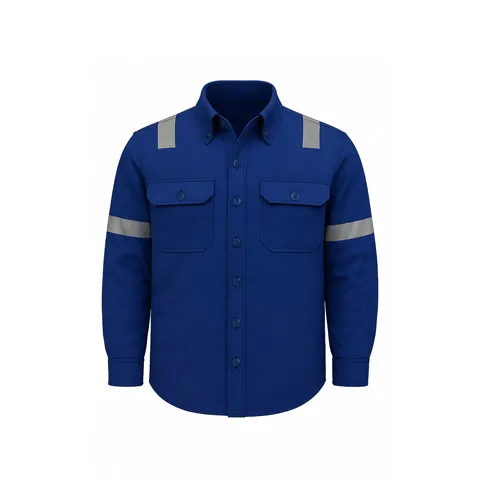
In low-light, traffic, or industrial environments, visibility saves lives.
✅ Choose: AS/NZS 1906.4
This standard defines reflective and fluorescent performance for warning clothing.
Typical applications:
Road work, industrial sites, night operations, logistics.
Protective clothing must maintain its performance after repeated washing.
✅ Look for compliance with:
ISO 5077 (shrinkage)
ISO 105
These standards ensure consistent fit, appearance, and service life.
ONE GARMENT, MULTIPLE STANDARDS?
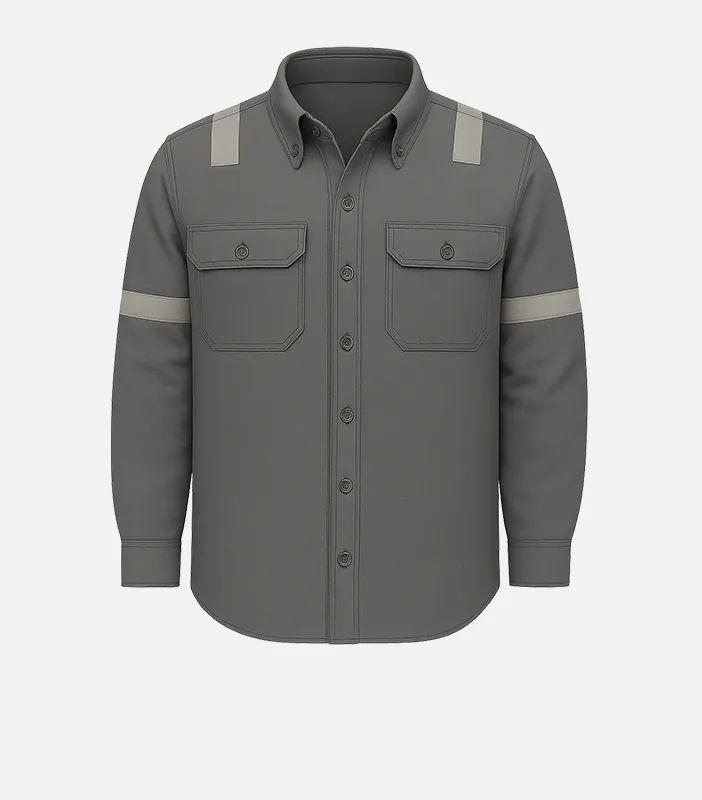
In many industries, one single hazard does not exist alone. That’s why modern PPE often combines:
Flame resistance
Anti-static protection
Arc flash protection
High visibility or UV protection
Multi-hazard protective clothing simplifies compliance and improves real-world safety.
There is no “one-size-fits-all” safety standard. The right PPE standard depends on actual workplace hazards, not marketing claims.
Understanding which standards apply helps companies:
Protect workers effectively
Meet global compliance requirements
Build stronger safety programs
Choosing the right standard means choosing the right protection.