English
When it comes to protecting workers in high-risk environments, not all flame-resistant (FR) garments are created equal. Two of the most widely recognized international standards are EN ISO 11612 and NFPA 2112. Both ensure that workers are protected from thermal hazards, but the requirements and testing methods differ. For companies sourcing FR and Inherent Flame-Resistant (IFR) garments, understanding these standards is essential.

EN ISO 11612 is the European standard for protective clothing against heat and flame. It specifies performance requirements for garments designed to protect workers from:
Exposure to heat and flames
Convective and radiant heat
Molten metal splash
Contact heat
EN ISO 11612 is widely used across Europe, the Middle East, and Asia, particularly in industries like welding, foundry work, and general industrial safety.
NFPA 2112 is the American standard for flame-resistant garments protecting workers against flash fire hazards, primarily in the oil, gas, and petrochemical sectors.
NFPA 2112 requires garments to:
Pass manikin flash fire tests (50% or less body burn prediction).
Self-extinguish quickly after flame exposure.
Resist melting, dripping, and fabric break-open.
Maintain protective qualities after repeated laundering.
Aspect | EN ISO 11612 | NFPA 2112 |
Region of Use | Europe, Middle East, Asia | North America, global oil & gas |
Hazards Covered | Heat, flame, molten metal, contact heat | Flash fire in oil & gas |
Testing | Multiple tests for radiant heat, contact heat, molten metal | Manikin flash fire test with 3-second exposure |
Certification | Levels A1–F (different hazard protection ratings) | Pass/fail system (meets or does not meet) |
Application | Broad industrial use, welding, foundry | Oil & gas, petrochemical, refinery work |
FR Garments: Fabrics treated with flame-resistant chemicals; suitable for both EN ISO 11612 and NFPA 2112 if they meet test requirements.
IFR Garments: Fabrics inherently flame-resistant (protection woven into the fiber); often preferred in industries requiring long-term durability and consistent compliance.
Both FR and IFR garments can be certified, but IFR fabrics often deliver better long-term protection since the flame-resistant property never washes out.
The right standard depends on your industry and client requirements:
Oil & Gas Companies: NFPA 2112 is often mandatory.
Industrial Manufacturing, Welding, Foundries: EN ISO 11612 is widely accepted.
Global Projects: Many companies now demand dual-certified garments that comply with both EN ISO 11612 and NFPA 2112.
At DOMEX Safety, we supply NFPA 2112 and EN ISO 11612 certified FR and IFR garments trusted by oil companies, contractors, and industrial firms worldwide. Our range includes:
Coveralls for oilfield and refinery workers
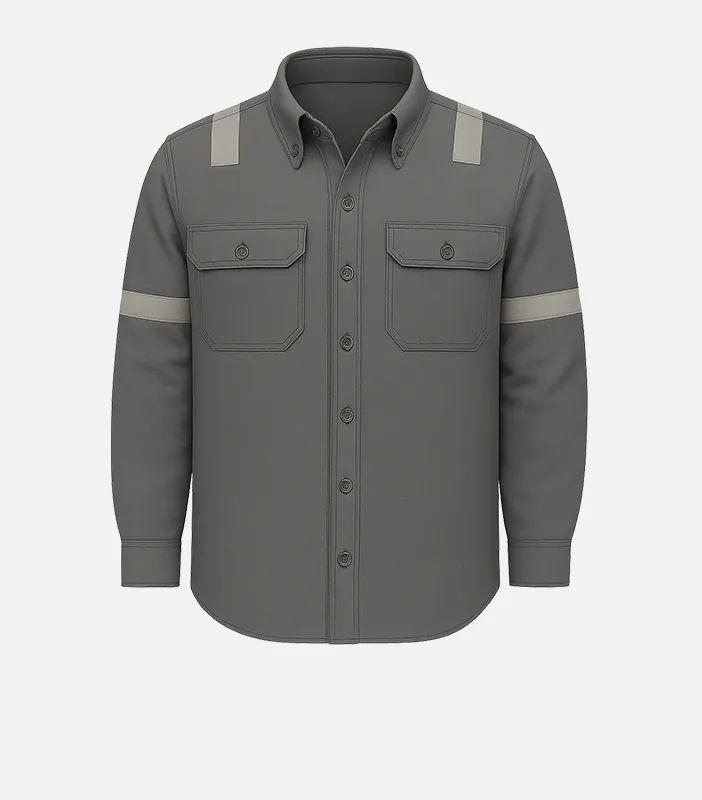
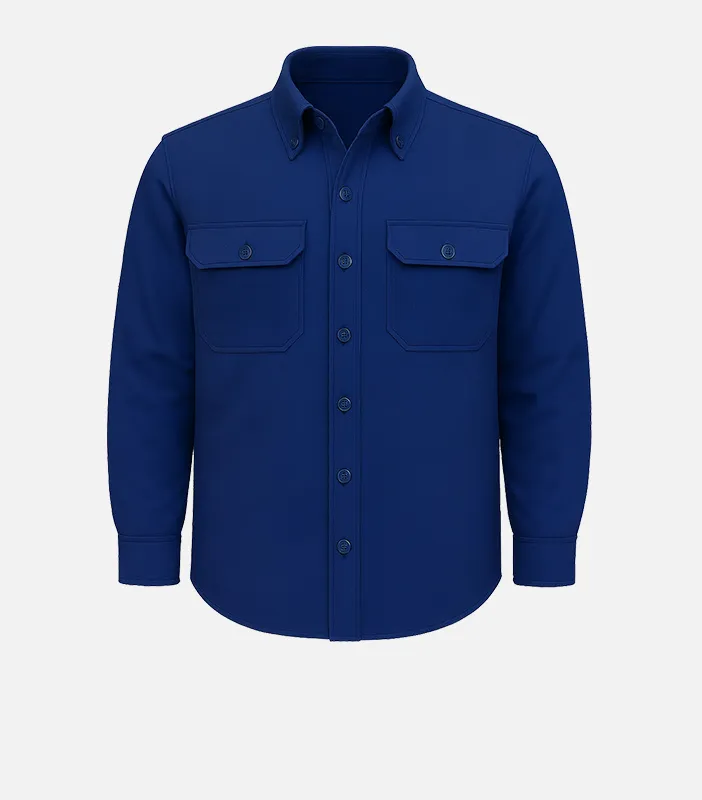
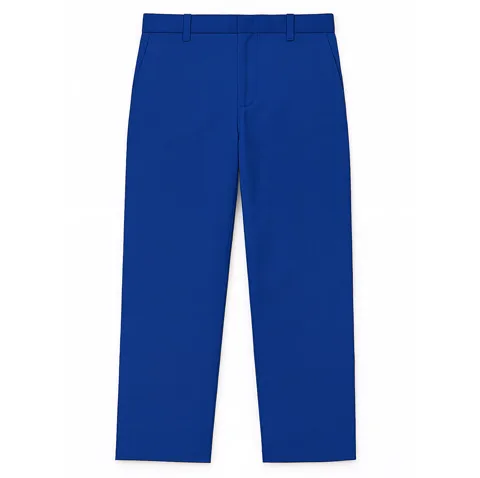
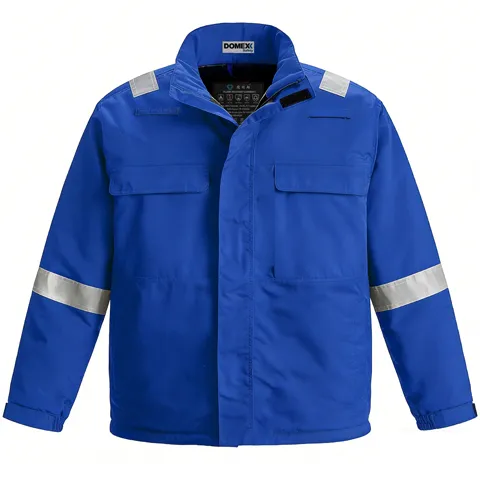
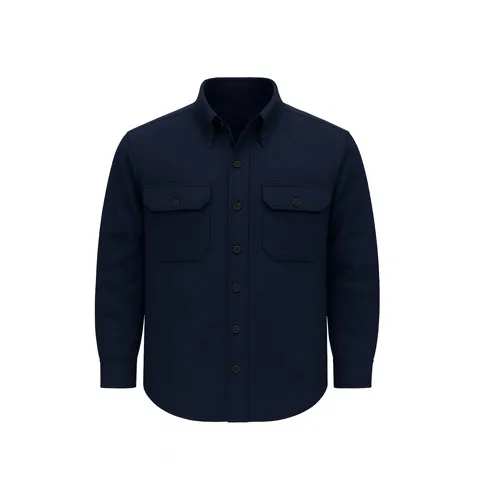
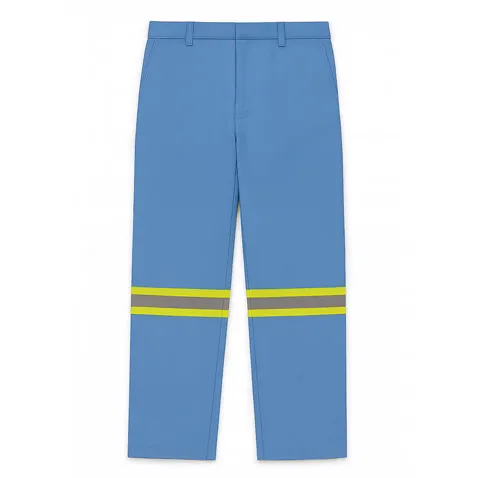
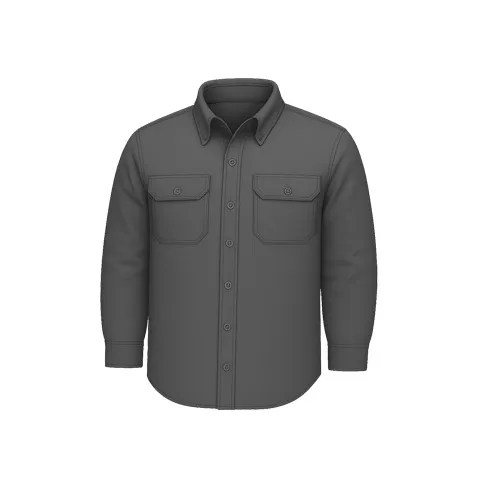
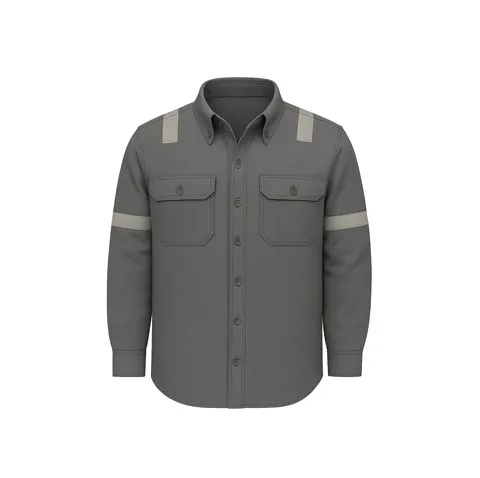
FR Jackets and Pants for industrial environments
High-Visibility FR Clothing combining EN ISO 20471 and flame resistance
Anti-Static FR Garments compliant with EN 1149 for added protection
With decades of experience, we help companies choose the right garments to meet both compliance requirements and worker comfort needs.
Both EN ISO 11612 and NFPA 2112 play a critical role in protecting workers from thermal hazards. While they differ in scope and testing, both standards ensure that FR and IFR garments provide life-saving protection in dangerous work environments.
For companies operating internationally, choosing garments that meet both standards is the safest investment—ensuring compliance, durability, and above all, worker safety.