English
When it comes to workplace safety in high-risk industries like oil & gas, petrochemical, and electrical utilities, protective clothing is not just an option—it's a necessity. Among the many standards guiding flame-resistant (FR) clothing, NFPA 2112 is one of the most widely recognized worldwide. But what exactly does it mean, and why should companies and workers care about NFPA 2112 certified garments?
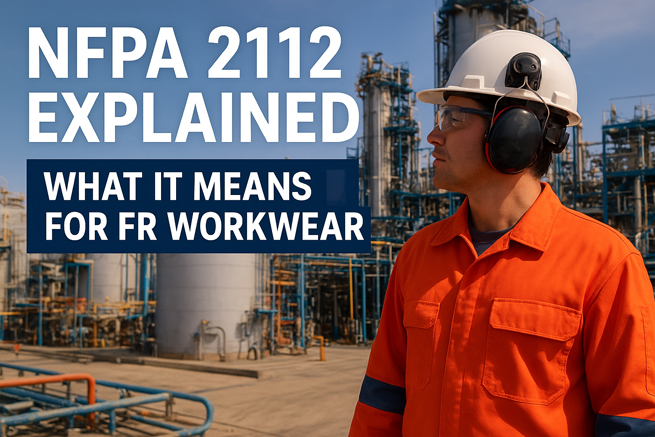
NFPA 2112 is the National Fire Protection Association's Standard on Flame-Resistant Clothing for Protection of Industrial Personnel Against Flash Fire. It sets minimum performance requirements and test methods for FR garments designed to protect workers from flash fire exposure.
To be certified, FR or Inherent Flame-Resistant (IFR) garments must undergo rigorous testing to ensure they:
Self-extinguish after flame exposure
Do not melt, drip, or break open under heat
Limit the body burn percentage to 50% or less in manikin tests
Withstand thermal shrinkage and durability through multiple wash cycles
Choosing NFPA 2112 compliant FR garments is not just about meeting regulations—it's about saving lives and reducing injuries.
Key benefits include:
Proven Safety: Garments tested under real flash fire conditions.
Worker Confidence: Employees trust certified clothing to protect them.
Global Recognition: NFPA 2112 is respected by oil majors and contractors worldwide.
Compliance with Clients' Requirements: Many industries mandate NFPA 2112 certified workwear in procurement contracts.
When discussing NFPA 2112, it's important to understand FR and IFR fabrics:
FR Garments: Made from cotton or blends treated with flame-resistant finishes.
IFR Garments: Made from inherently flame-resistant fibers, meaning the protection is built into the fabric itself and never washes out.
Both can meet NFPA 2112 certification if they pass the required tests. The choice often depends on cost, durability, and end-user preference.
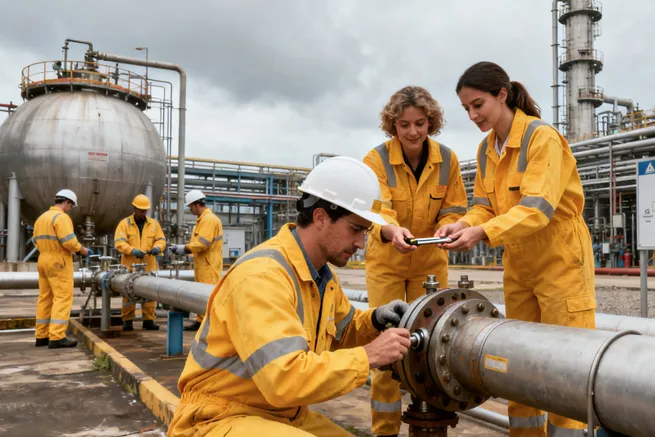
Workers in the following sectors are most often required to wear NFPA 2112 compliant garments:
Oil & Gas (upstream, midstream, downstream)
Petrochemical & Refining
Industrial Manufacturing
Energy and Utilities
Chemical Processing
When sourcing FR or IFR clothing for your team, consider:
1. Certification Label – Always check for NFPA 2112 certification tags.
2. Fabric Type – Decide between FR-treated and IFR fabrics.
3. Comfort & Fit – Workers are more likely to wear PPE consistently if it's comfortable.
4. Durability – Ensure garments maintain protection after repeated laundering.
5. Added Features – Options like high-visibility striping (EN ISO 20471) or anti-static properties (EN 1149) can provide extra safety.
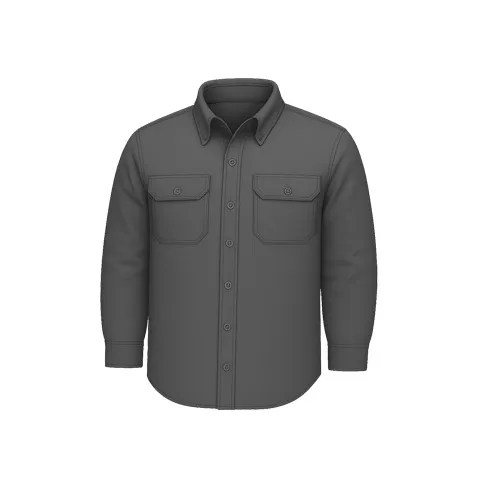
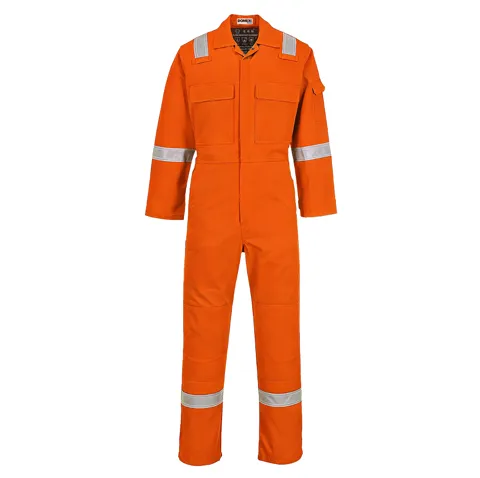
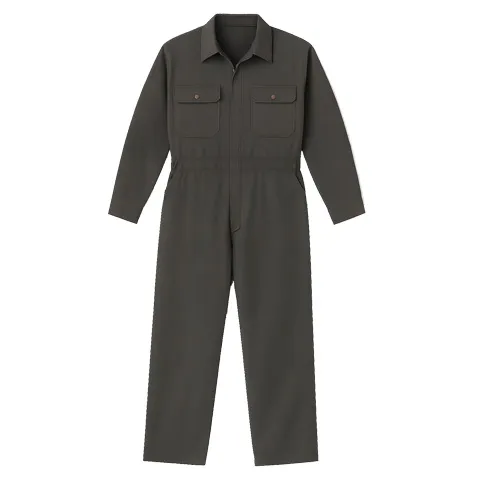
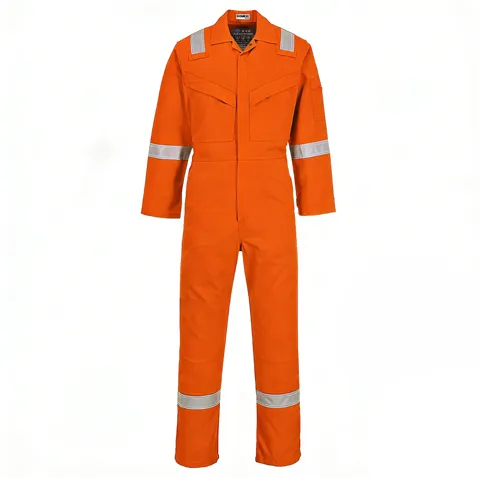
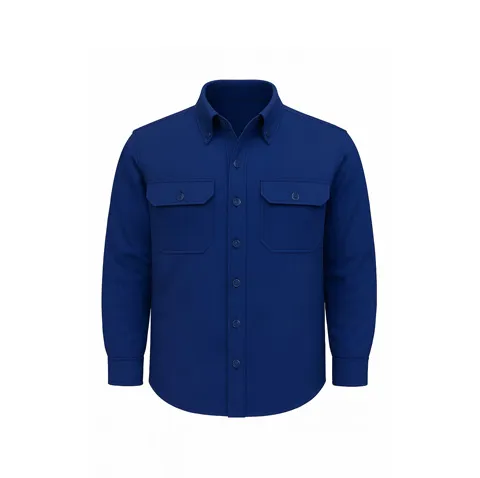
At DOMEX Safety, we manufacture and supply NFPA 2112 certified FR and IFR garments tailored to industries where safety is non-negotiable. From coveralls and jackets to shirts and trousers, our products combine compliance, durability, and comfort—helping employers meet international standards while protecting their workforce.
NFPA 2112 is more than just a certification—it's a guarantee of safety. Choosing FR or IFR garments tested to this standard ensures workers in high-risk environments are protected against the devastating effects of flash fires.
If your company operates in oil & gas, petrochemical, or related industries, NFPA 2112 certified workwear should be your first line of defense.

This is the last one.


![FR MEETS CHEMICAL SPLASH: WHY SOME GARMENTS NEED EN 13034 PB [6] AND EN ISO 14116 INDEX 3](/uploads/image/20251021/lastest-news-3.webp "FR MEETS CHEMICAL SPLASH: WHY SOME GARMENTS NEED EN 13034 PB [6] AND EN ISO 14116 INDEX 3")