English
Electrical workers face one of the most dangerous workplace hazards: arc flash. An arc flash can generate temperatures hotter than the surface of the sun, releasing extreme heat, light, and pressure in less than a second. To protect workers, the industry relies on arc-rated (AR) clothing, which must meet strict international standards. Two of the most important are ASTM F1506 and NFPA 70E.
For safety managers and procurement teams sourcing FR and IFR garments, understanding these standards is critical to ensure compliance and worker protection.
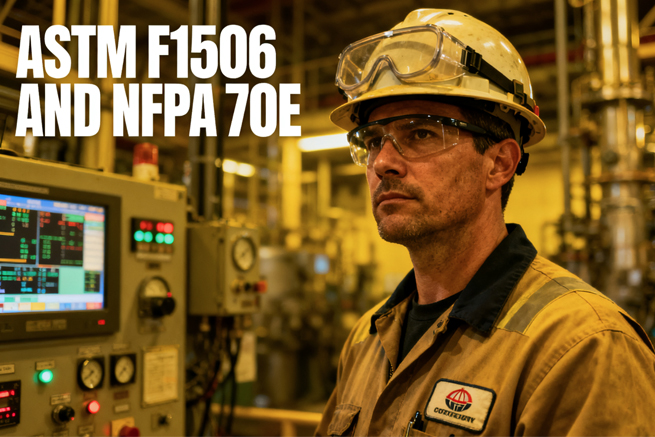
ASTM F1506 is the Standard Performance Specification for Flame Resistant and Arc Rated Textile Materials for Wearing Apparel for Electrical Workers Exposed to Momentary Electric Arc and Related Thermal Hazards.
In simpler terms, it defines how fabrics used in arc rated clothing must perform, covering:
Arc Rating (ATPV or EBT value): Measured in calories per square centimeter (cal/cm²), showing how much energy the garment can withstand.
Flame Resistance: Fabric must self-extinguish after exposure to flame.
Durability: Protection must last through repeated laundering.
Labeling Requirements: Each garment must display arc rating and compliance details.
ASTM F1506 applies to both FR garments (treated fabrics) and IFR garments (inherently flame-resistant fabrics).
For industrial safety managers and PPE buyers, ASTM F1506 is an important reference when sourcing arc-rated shirts, pants, jackets and coveralls for electrical work environments. The standard focuses on flame-resistant textile materials used in clothing for workers exposed to momentary electric arc and related thermal hazards.
When reviewing ASTM F1506 clothing, buyers should check the arc rating, ATPV or EBT value, garment labeling, fabric composition, shrinkage performance, and supporting test documentation. NFPA 70E should be used together with the workplace hazard assessment to determine the required PPE category or arc rating for the task.
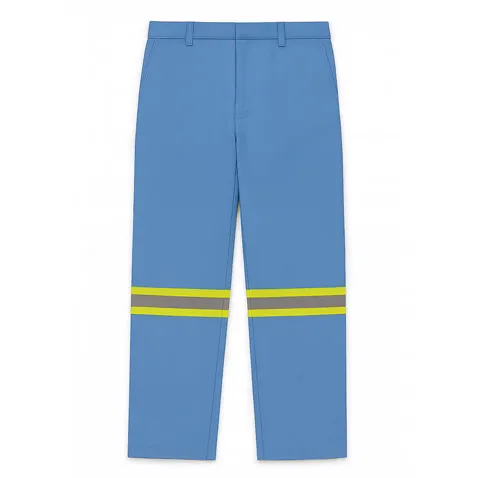
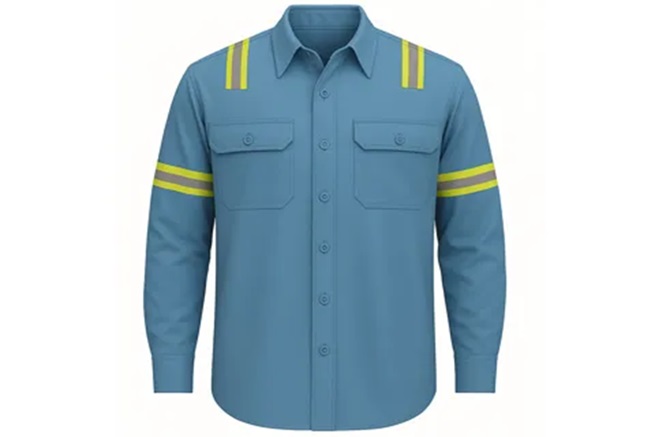
DOMEX Safety supports bulk FR/AR workwear programs for electrical utilities, oil & gas, manufacturing and industrial maintenance teams. Garments can be developed according to project specifications, with suitable fabric options, labeling, reflective tape, logo customization and documentation support.
NFPA 70E is the Standard for Electrical Safety in the Workplace, developed by the National Fire Protection Association. Unlike ASTM F1506, which focuses on fabric performance, NFPA 70E provides workplace safety guidelines for electrical hazards, including:
Risk assessment procedures for arc flash and shock hazards.
PPE Categories (CAT 1–CAT 4) based on arc rating requirements.
Minimum arc rating per task (e.g., CAT 2 = 8 cal/cm² minimum).
Use of arc-rated clothing and PPE as part of a broader electrical safety program.
In short: ASTM F1506 sets the garment requirements; NFPA 70E sets the workplace rules for using them.
Both FR and IFR garments can be arc-rated if they pass ASTM F1506 testing.
FR Garments: Made from fabrics treated with flame-resistant finishes. Cost-effective, but protection can degrade over time if not properly maintained.
IFR Garments: Made from inherently flame-resistant fibers (e.g., aramids). The arc protection is permanent and will not wash out, offering long-term durability.
Employers often choose IFR workwear when safety, longevity, and lower lifecycle cost are priorities.
Arc-rated clothing is designed to withstand the thermal energy from an arc flash long enough to give workers a chance to escape without severe injury.
ATPV (Arc Thermal Performance Value): The incident energy level at which there is a 50% chance of a second-degree burn.
EBT (Breakopen Threshold Energy): The energy level at which the fabric breaks open, exposing skin.
The higher the arc rating (cal/cm²), the greater the protection. NFPA 70E uses these values to define PPE categories.
Arc-rated FR and IFR garments are essential in industries such as:
Electrical Utilities
Power Generation & Distribution
Industrial Maintenance
Oil & Gas Facilities
Manufacturing Plants with Electrical Hazards
At DOMEX Safety, we manufacture ASTM F1506 compliant and NFPA 70E certified FR and IFR garments designed for maximum protection and comfort. Our products include:
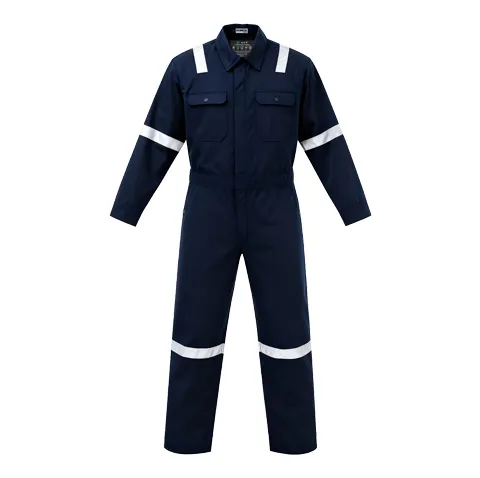
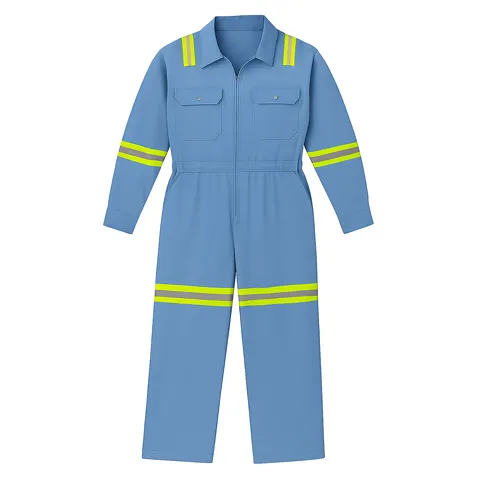
Arc rated coveralls and jackets for electrical workers
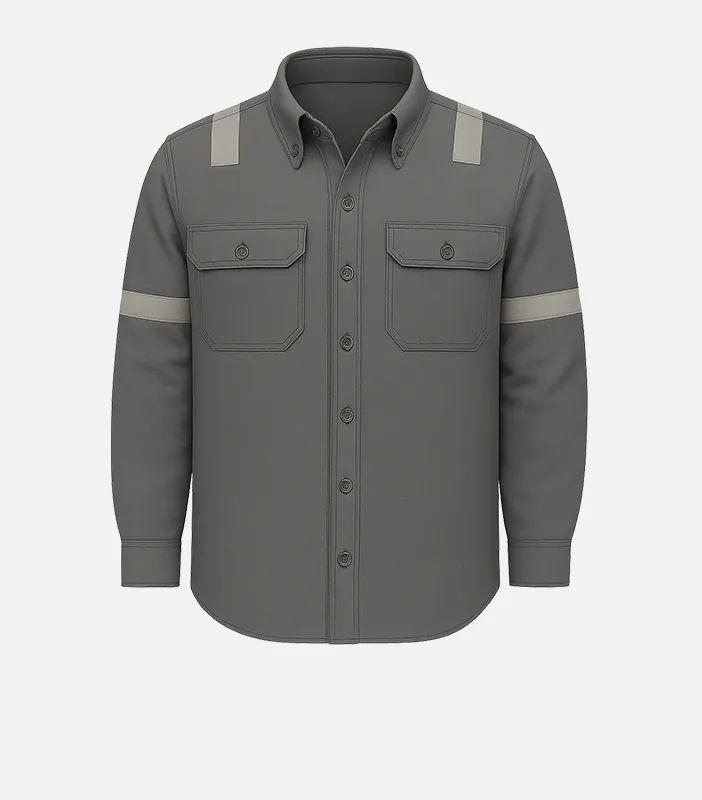
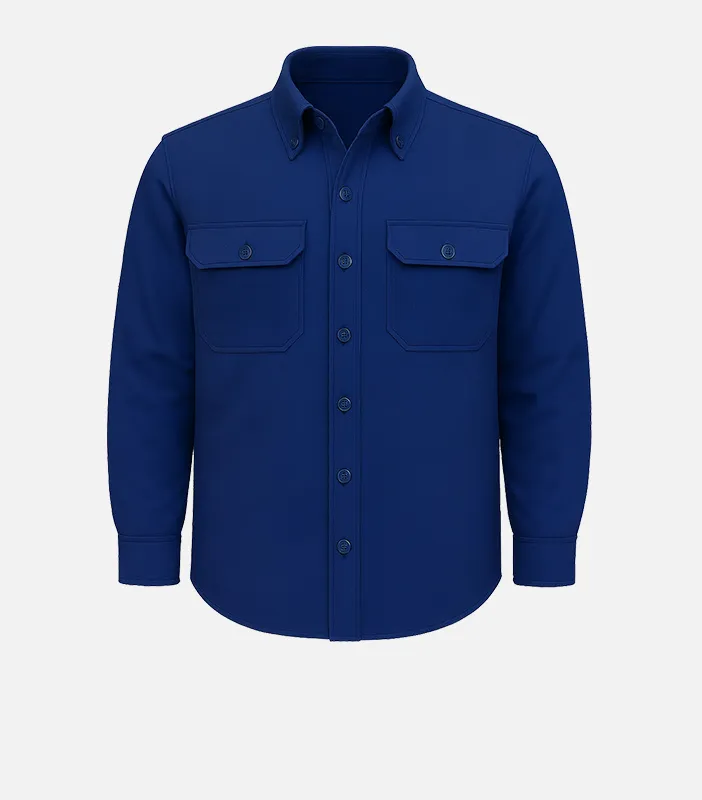
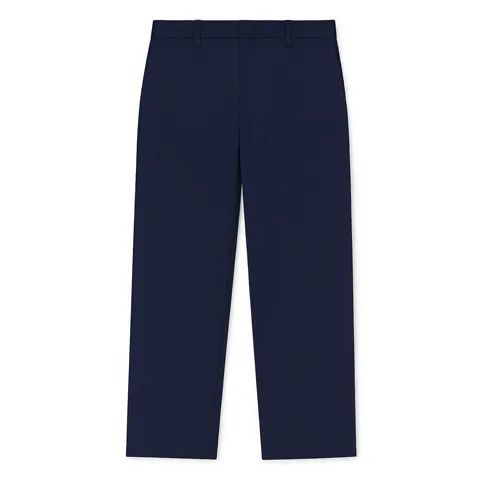
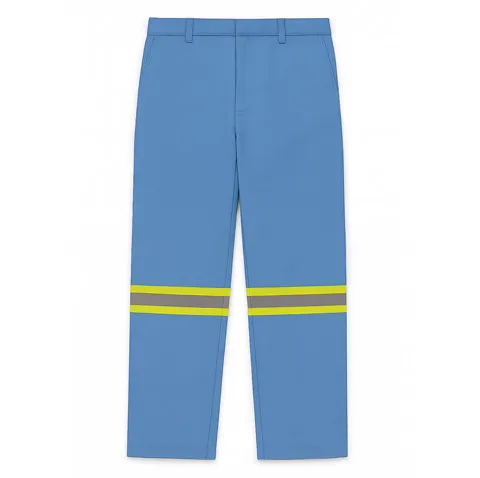
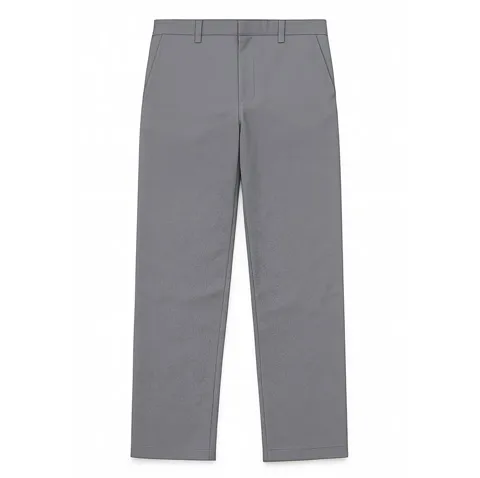
FR shirts and trousers for industrial settings
Multi-standard garments that meet NFPA 70E, ASTM F1506, NFPA 2112, and EN ISO 11612
We understand that compliance is not optional—it's life-saving. That's why every garment is tested to meet or exceed the most stringent international standards.
ASTM F1506 and NFPA 70E work hand-in-hand to keep electrical workers safe. One sets the garment performance requirements, the other provides the workplace safety framework.
For companies, investing in certified FR and IFR garments is not just about meeting standards—it's about ensuring every worker returns home safely.