English
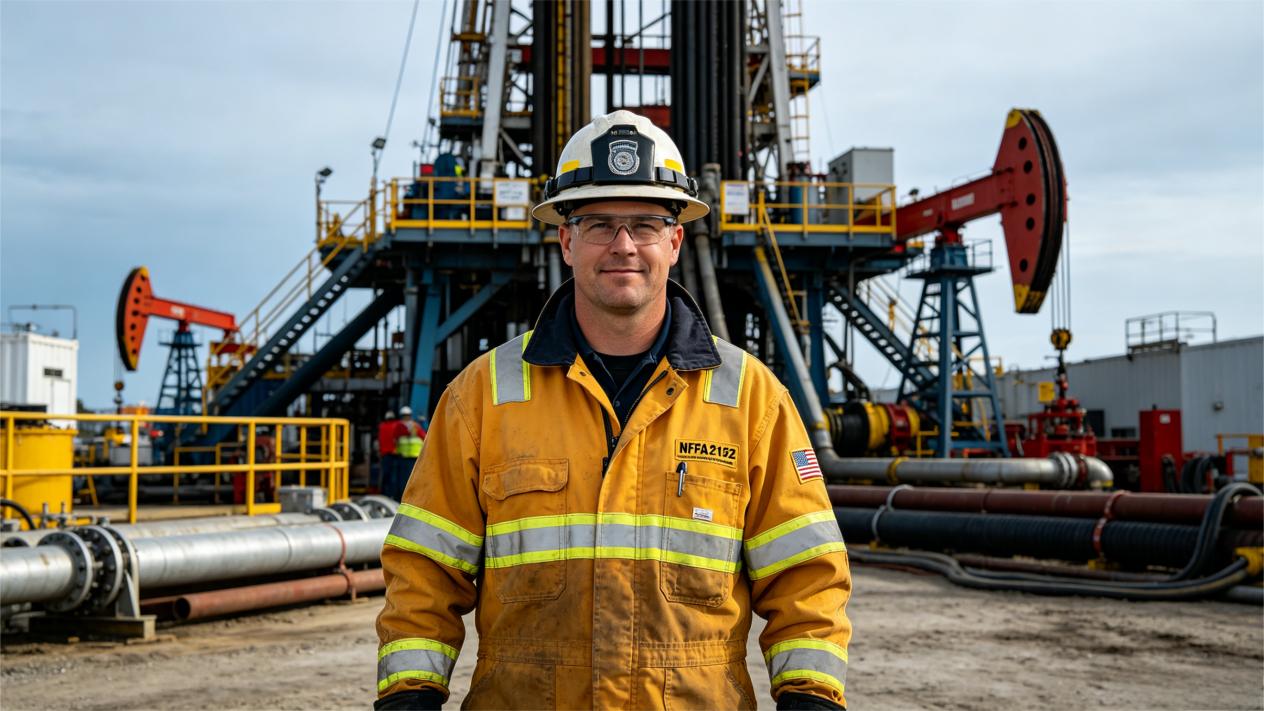
NFPA 2112 (2023 edition) is the core standard for industrial flame-resistant (FR) clothing, developed by the National Fire Protection Association (NFPA) in the USA. It provides essential guidelines for protecting industrial personnel from short-duration thermal exposures, commonly known as flash fires. NFPA 2112 sets the minimum design, performance, testing, and certification requirements for FR clothing, serving as the global benchmark for oil, gas, chemical, and high-risk industrial sectors.
NFPA 2112 targets environments with short-duration flash fire risks (≤3 seconds, energy density ≤2 cal/cm²). Key sectors include:
Oil & gas exploration, drilling, refining, and storage operations
Chemical and pharmaceutical facilities handling flammable materials
Power generation and electrical maintenance operations
Metallurgy, welding, and coating workshops, including dust explosion zones
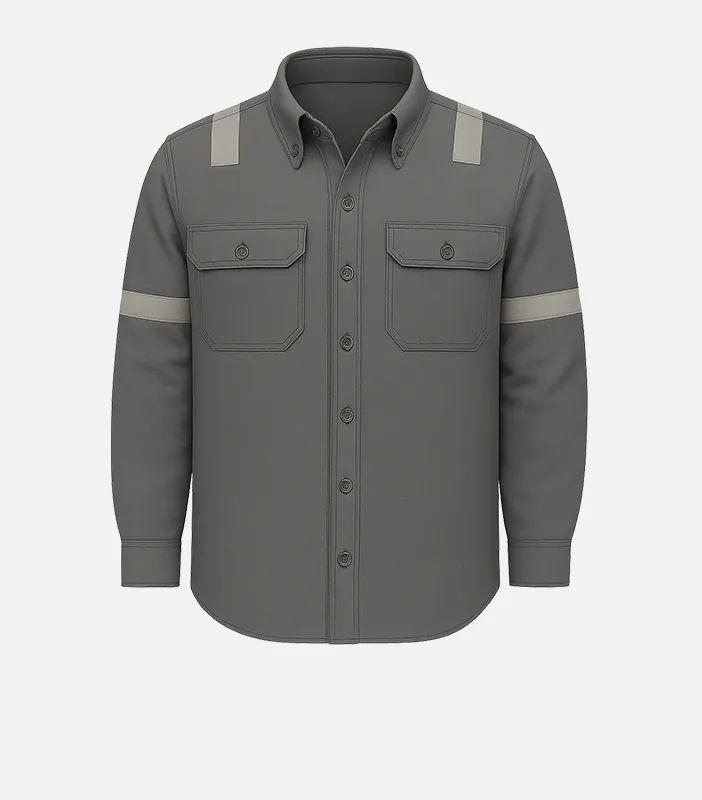
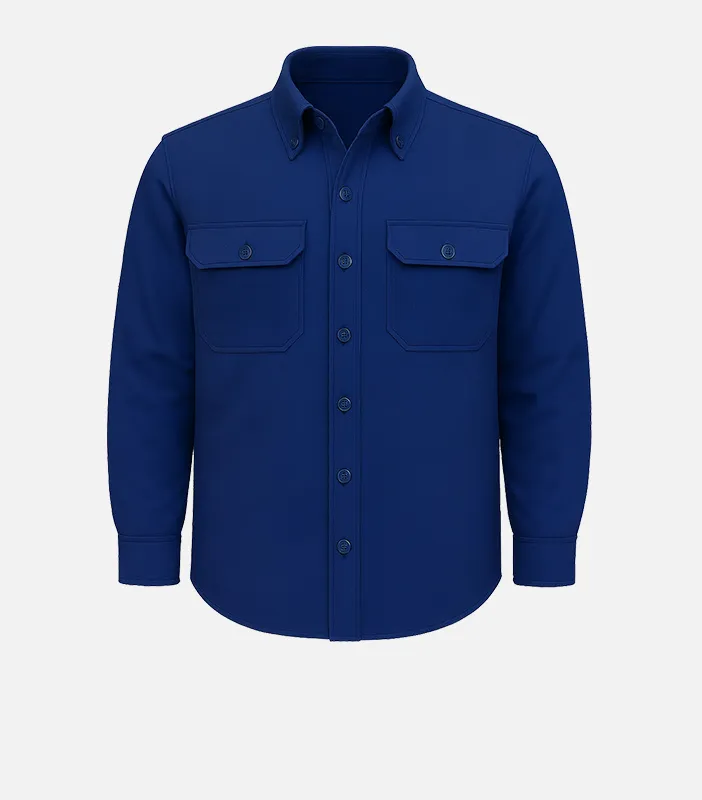
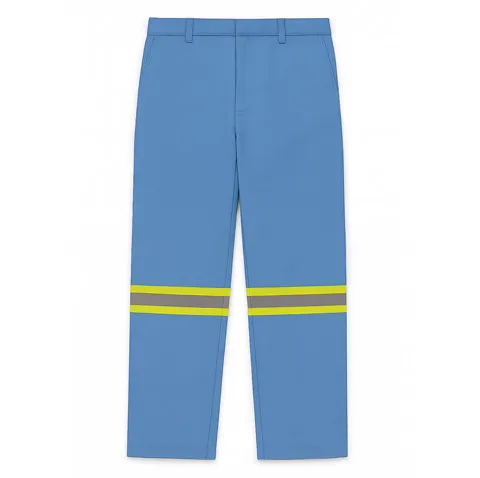
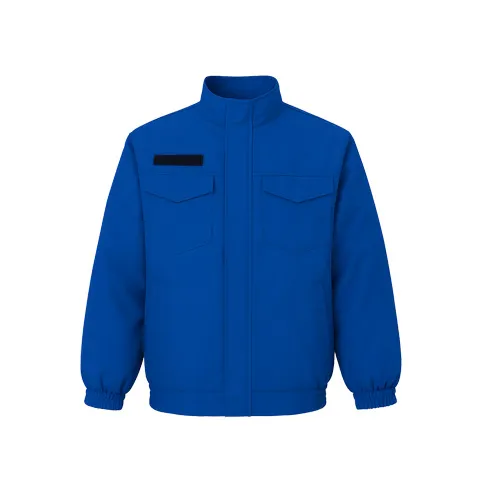
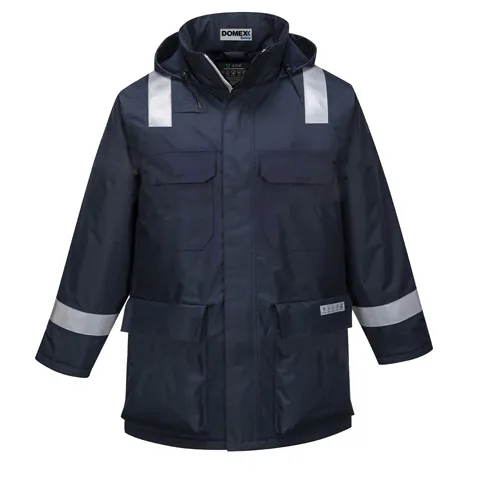
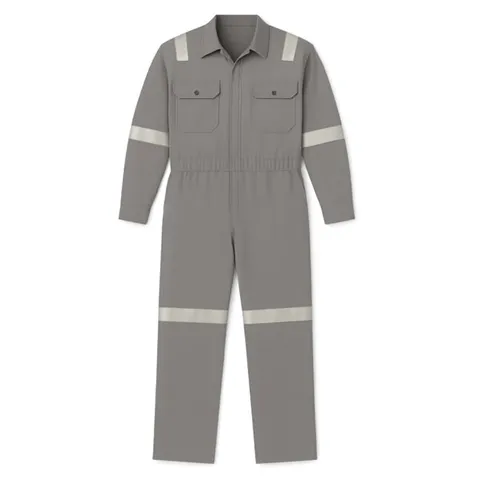
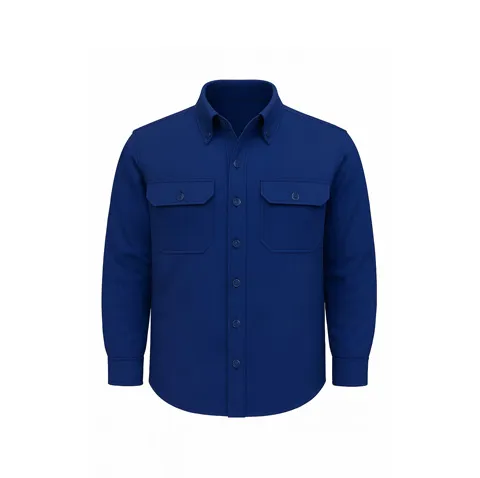
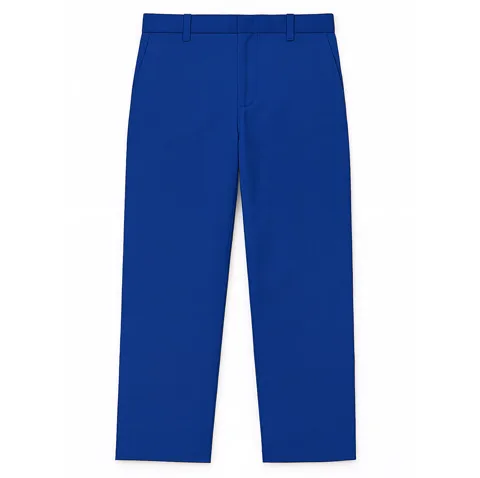
FR clothing types covered include coveralls, work jackets, FR shirts/pants, aprons, and lab coats, as well as auxiliary protective equipment such as hoods, gloves, face shields, and FR socks. Exclusions include firefighting turnout gear (NFPA 1971), arc flash protection (IEC 61482), nuclear/biological/chemical suits, disposable or limited-use garments, and high-temperature molten metal apparel.
1. Vertical Flame Test (ASTM D6413): Flame duration ≤2 seconds, char length ≤100mm, no molten drip.
2. Thermal Stability Test: Exposure to 260°C (500°F) for 5 minutes; shrinkage ≤10%; fabric integrity maintained.
3. Heat Transfer Performance (HTP/TPP): Simulated convection and radiant heat at 2 cal/cm²; HTP values ensure adequate insulation.
4. Manikin Flash Fire Test (ASTM F1930): Full-body manikin exposed to 3-second flash fire; predicted 2nd/3rd-degree burn area ≤50%; all seams, zippers, and fasteners must maintain FR protection.
5. Component Consistency Test: Reinforced seams, zippers, snaps, and Velcro must pass equivalent flame and heat tests; fabric-only protection is insufficient.
Regulatory Compliance: OSHA mandates NFPA 2112 for oil & gas operations; non-compliance may result in fines or work stoppages. Major global operators (ExxonMobil, Shell, BP) require all personnel to wear certified FR clothing.
High Flash Fire Risk: Hydrocarbon leaks and vapors can ignite within 3 seconds at temperatures over 1000°C. Ordinary workwear melts rapidly, causing extensive burn injuries; NFPA 2112 FR garments limit burn areas to ≤50%, significantly improving survival
Supply Chain Requirement: NFPA 2112 certification is a precondition for entering North American and
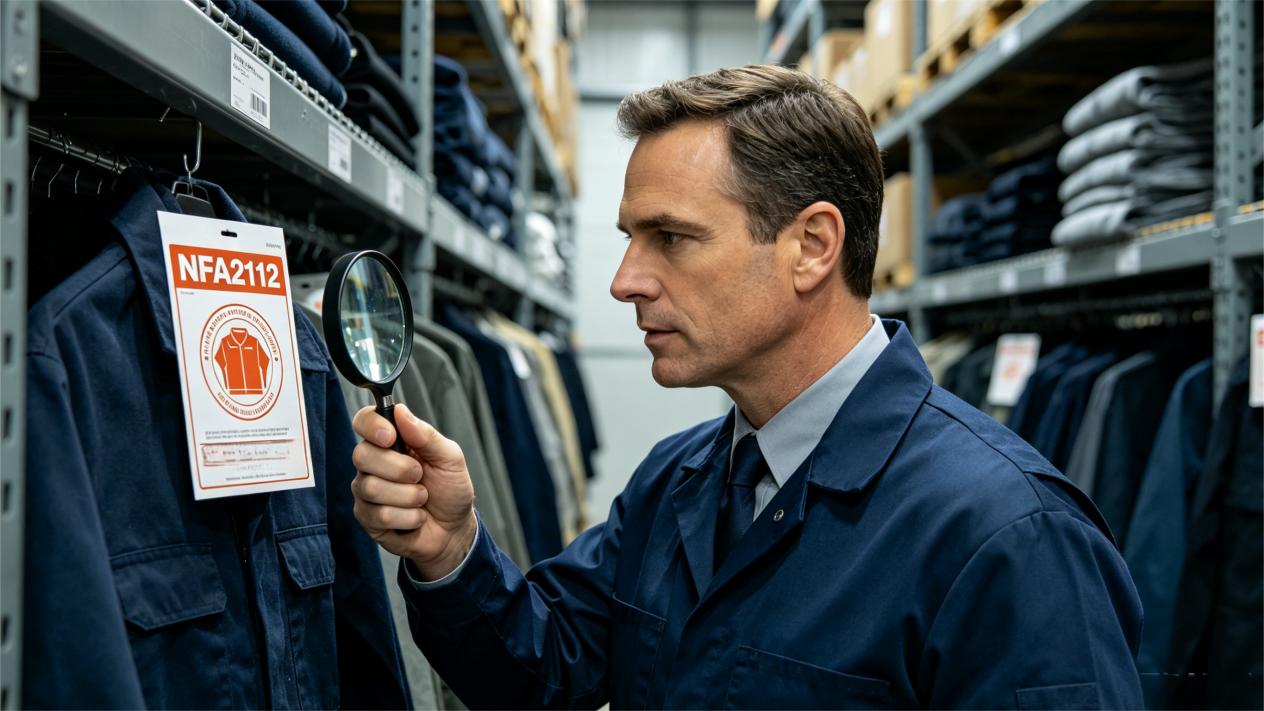
Label and Marking Check: Ensure NFPA 2112-2023, manufacturer, model, batch, size, and FR components are listed. Verify certification number.
Third-Party Certification Verification: Certification body must have ISO 17065 accreditation; testing labs must be ISO 17025 compliant. Avoid self-inspection reports.
Core Test Data Validation: Vertical flame ≤2 seconds, char ≤100mm, no drips; thermal stability at 260°C, shrinkage ≤10%; manikin test burn area ≤50%.
Material and Construction Check: Prefer inherently FR fibers (aramid, modacrylic); seams double-stitched, zippers with FR protection, no exposed non-FR accessories.
Traceability and Documentation Review: Request technical files including risk assessment, fabric specs, test reports, user manual, and label samples; batch consistency must match certification data.
NFPA 2112 represents the safety baseline for FR clothing in high-risk industries such as oil, gas, and chemical sectors. The 2023 edition enforces stricter testing and certification requirements, ensuring short-duration flash fires result in garments that are non-burning, non-melting, and limit burn severity. Purchasers should follow a five-step verification process—labeling, certification, test data, materials, and documentation—to avoid non-compliant products and mitigate safety risks.
DOMEX focuses on the design and innovation of special protective clothing, and is deeply involved in core protective technologies such as flame resistance and anti-static properties. We provide safe and reliable professional protective solutions for the industrial, power, petroleum and chemical industries, and are committed to becoming a globally trusted protective brand.