English
Electrical hazards are one of the leading causes of workplace injuries in industrial environments. To protect workers, the NFPA 70E standard defines Personal Protective Equipment (PPE) categories (CAT 1–4) based on the level of arc flash risk. Understanding these categories helps employers select the right FR and IFR garments for their teams.
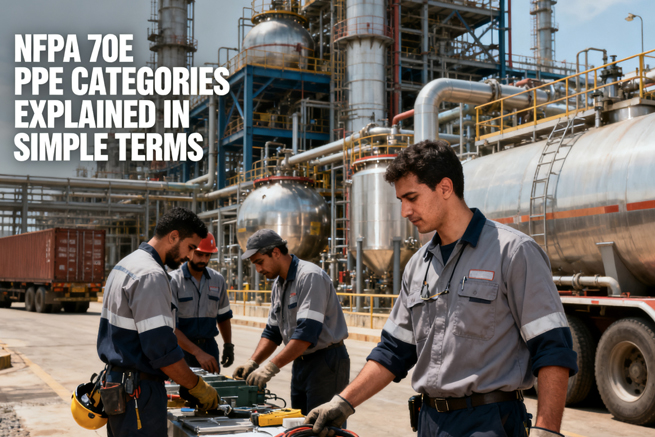
NFPA 70E PPE Categories (CAT) are determined by the arc rating of clothing, measured in calories per square centimeter (cal/cm²). The higher the category, the more protection the garment provides.
CAT 1 – Minimum arc rating: 4 cal/cm²
CAT 2 – Minimum arc rating: 8 cal/cm²
CAT 3 – Minimum arc rating: 25 cal/cm²
CAT 4 – Minimum arc rating: 40 cal/cm²
These categories ensure that workers wear garments appropriate for the energy level of potential arc flash hazards.
Both FR-treated fabrics and Inherently Flame-Resistant (IFR) fabrics can be certified to NFPA 70E:
FR Garments: Treated fabrics offering reliable protection, cost-effective but require proper maintenance.
IFR Garments: Fibers with built-in flame resistance, providing permanent protection even after repeated laundering—ideal for high-risk or long-term use.
1. Conduct an Arc Flash Risk Assessment – Determine the potential energy exposure.
2. Match Clothing to CAT Level – Select FR or IFR garments with the appropriate arc rating.
3. Ensure Comfort and Fit – Comfortable garments encourage proper use.
4. Verify Standards Compliance – Ensure garments meet NFPA 70E, ASTM F1506, and other relevant standards.
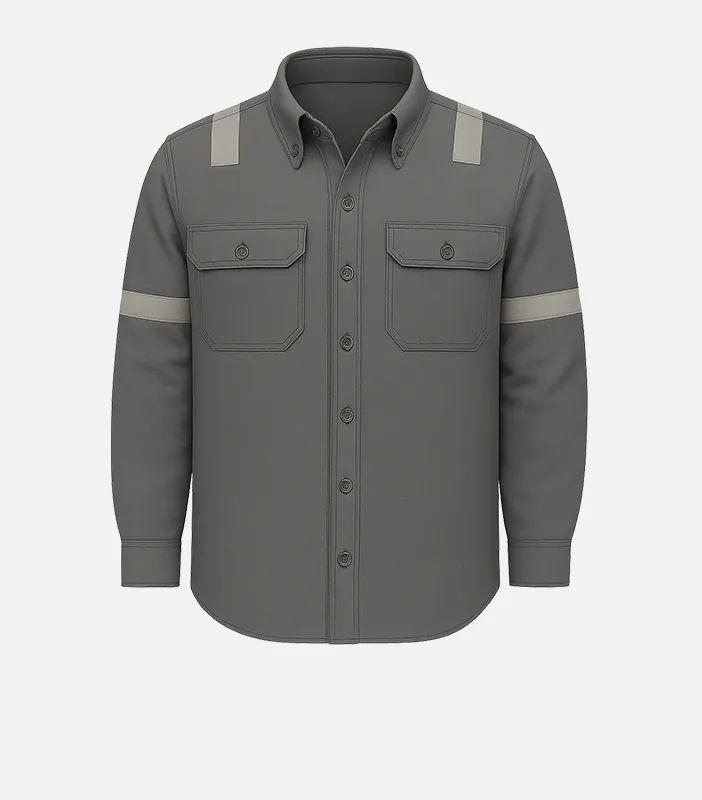
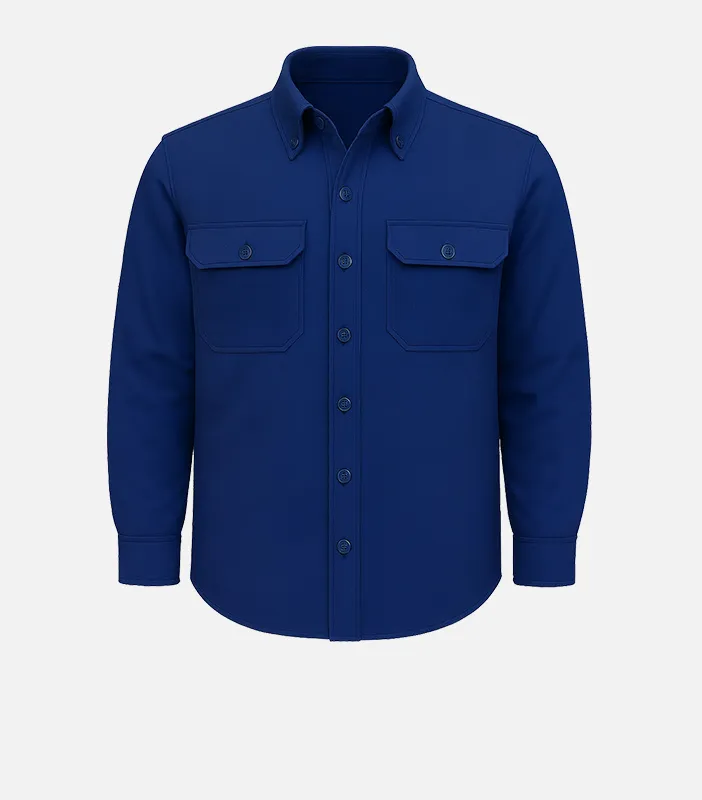
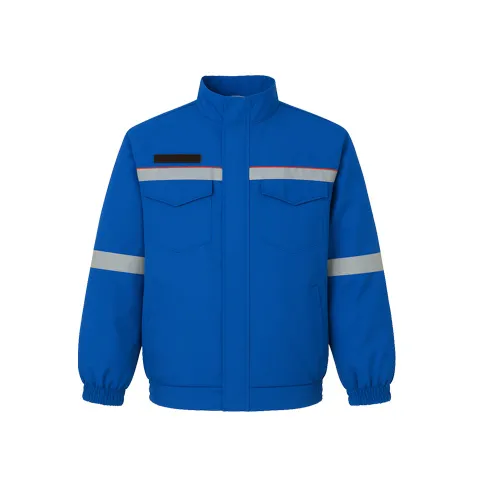
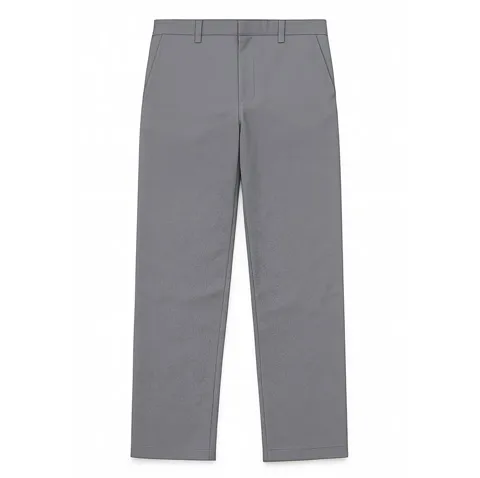
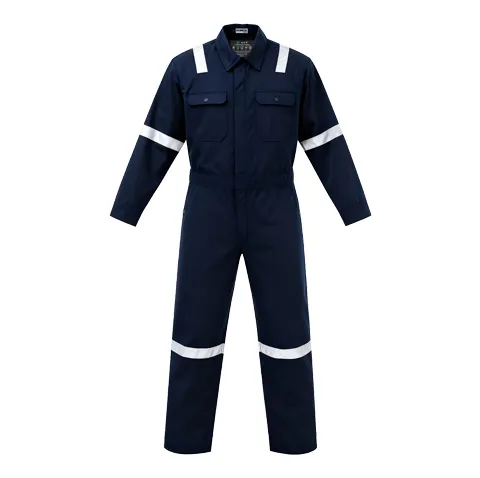
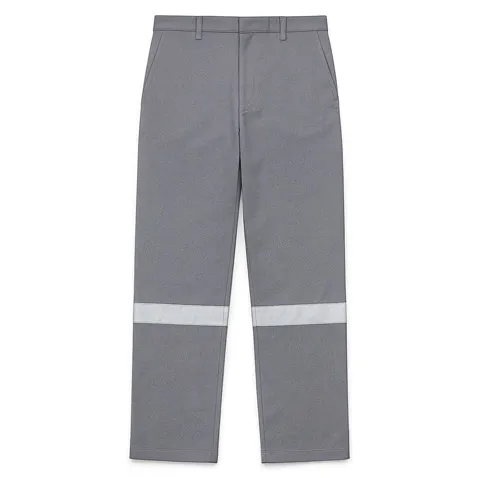
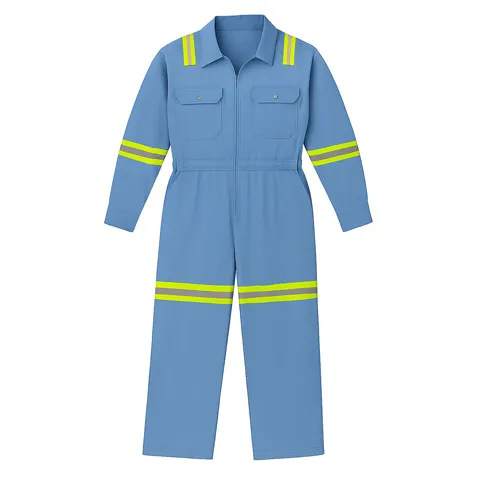
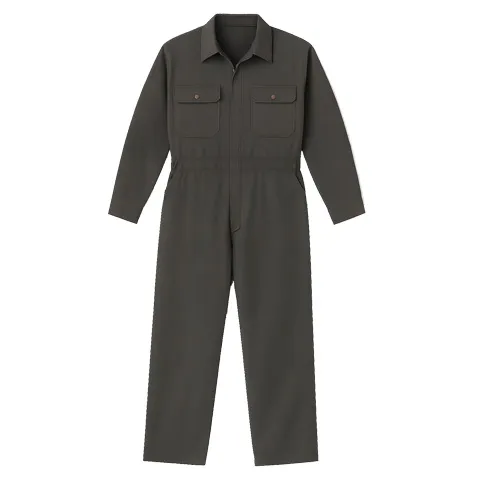
At DOMEX SAFETY, we provide NFPA 70E compliant FR and IFR garments designed for maximum protection and comfort. Our products include:
CAT 1 and 2 coveralls and jackets for daily electrical work
Multi-standard garments certified to NFPA 70E, ASTM F1506, NFPA 2112, and IEC 61482
Every garment is rigorously tested to ensure compliance and reliability.
NFPA 70E PPE Categories simplify the process of selecting the right arc-rated protection. By choosing FR or IFR garments that match the correct CAT level, employers can safeguard workers against arc flash hazards while ensuring compliance with international safety standards.