English

EN ISO 11612 is the key European harmonized standard for **heat and flame resistant workwear**, widely adopted in the EU and global industrial markets. It defines performance requirements, testing methods, classification, and labeling for protective clothing designed to shield workers from flame, convective and radiant heat, contact heat, and molten metal splashes. This standard represents the minimum safety benchmark for entering European industrial markets, covering most high-temperature and fire-risk operations.
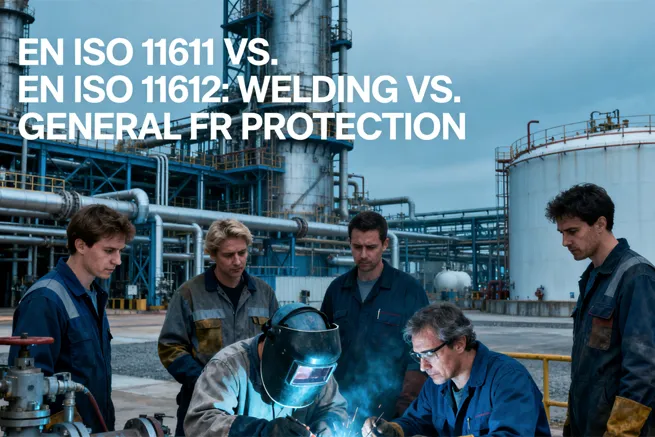
EN ISO 11612 replaces the former EN 531 standard and applies to general heat and flame protective clothing, excluding specialized welding apparel and firefighting suits.
Purpose: Protect workers from burns caused by flame contact, high-temperature radiation, hot objects, and molten metal.
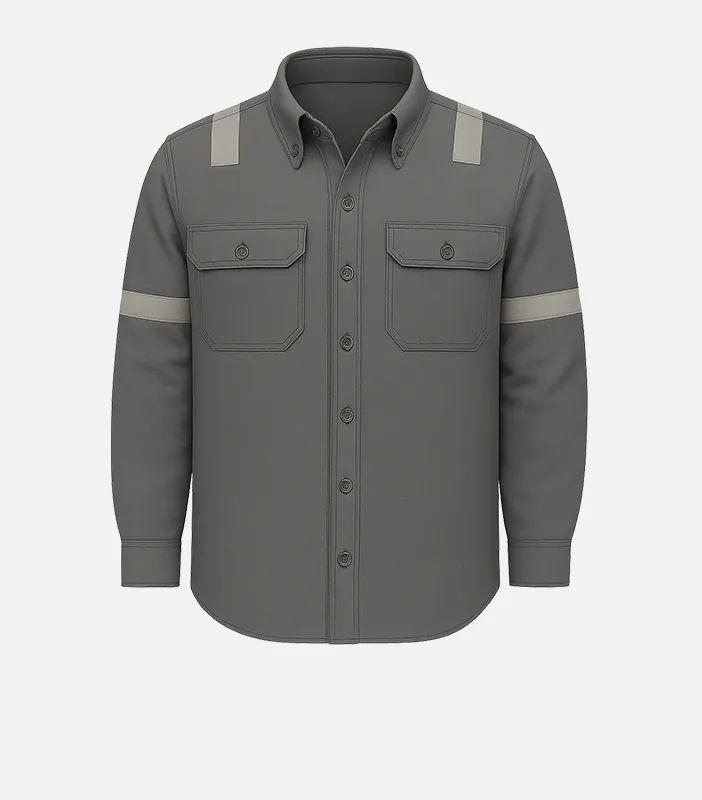
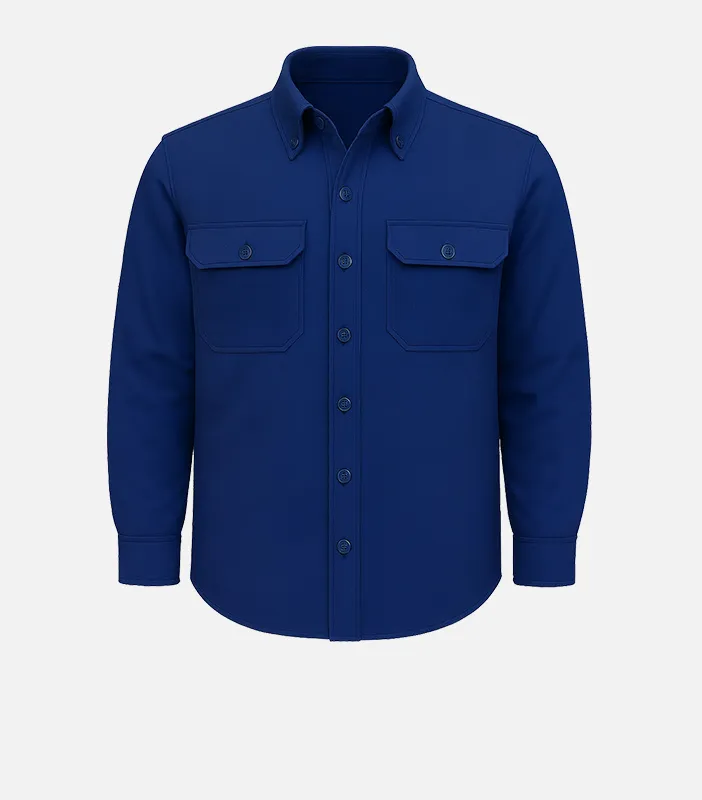
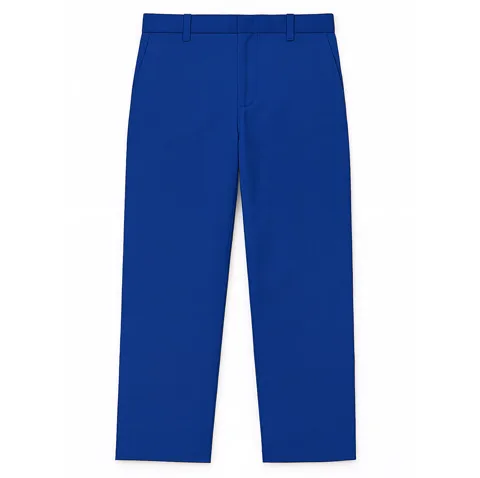
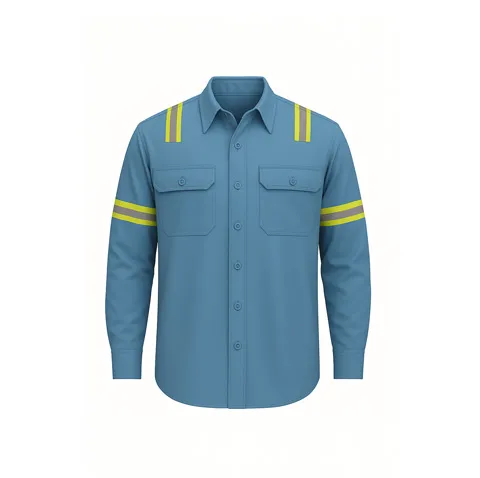
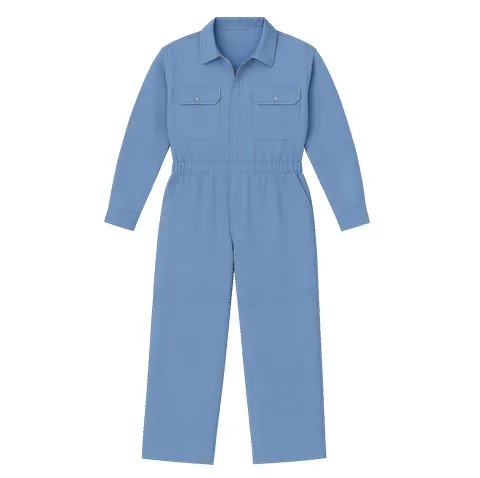
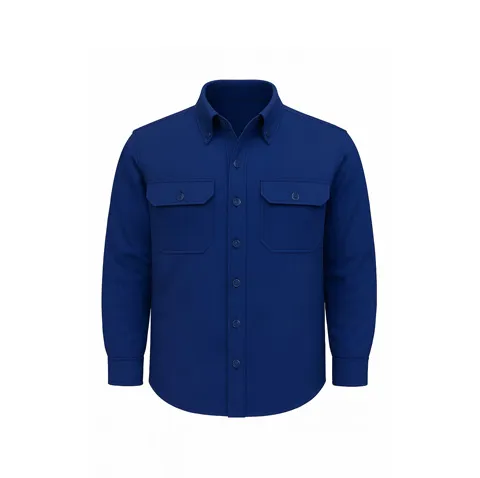
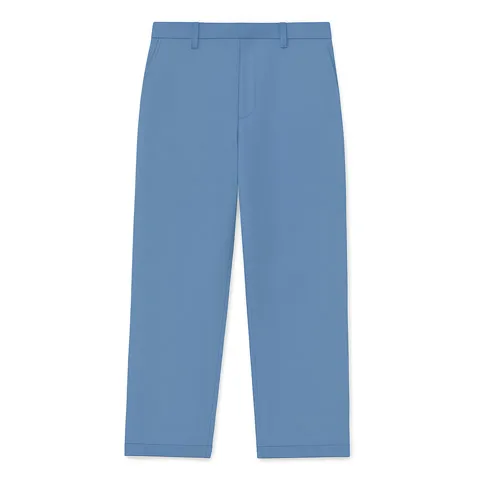
Applicable Products: FR coveralls, flame-resistant jackets, heat-resistant trousers, thermal aprons, and daily industrial FR uniforms.
Non-Applicable: Arc flash clothing, full firefighting suits, disposable thin protective garments, and professional fire entry suits.
Combined Standard: All garments must also meet general clothing requirements per EN ISO 13688.
EN ISO 11612 divides protective performance into different codes:
Code A: Limited Flame Spread
All garments complying with EN ISO 11612 must pass this test.
A1: Surface flame test (tested according to ISO 15025 Procedure A)
A2: Edge flame test (tested according to ISO 15025 Procedure B)
Code B: Convective Heat Protection
Resists heat flow from flames and hot air; higher levels indicate longer exposure tolerance.
B1: Heat Transfer Index (HTI) ≥ 7.0
B2: HTI ≥ 16.0
B3: HTI ≥ 24.0
Code C: Radiant Heat Protection
Protects workers from thermal radiation from high-temperature equipment such as furnaces; lower values indicate better protection.
C1: Radiant Heat Transfer Index (RHTI) ≤ 7.0
C2: RHTI ≤ 16.0
C3: RHTI ≤ 25.0
C4: RHTI ≤ 40.0 (typically for aluminum or metallized high-performance materials)
Code D: Molten Aluminum Splash Protection
D1: Resists ≥ 15 drops of molten aluminum
D2: Resists ≥ 25 drops of molten aluminum
D3: Resists ≥ 35 drops of molten aluminum
Code E: Molten Iron Splash Protection
E1: Resists ≥ 15 drops of molten iron
E2: Resists ≥ 25 drops of molten iron
E3: Resists ≥ 35 drops of molten iron
Code F: Contact Heat Protection
Prevents burns from direct contact with hot solids; higher levels indicate higher temperature resistance.
F1: Temperature resistance ≥ 100°C
F2: Temperature resistance ≥ 250°C
F3: Temperature resistance ≥ 350°C
Fabric Selection: Choose inherently FR or durable chemically treated fabrics maintaining protection after repeated washes. Control high-temp shrinkage to avoid deformation.
Accessories Compliance: All auxiliary components (threads, zippers, buttons, Velcro, pocket fabric, lining) must meet the same FR level.
Laboratory Testing: Includes flame spread, radiant heat transfer, contact heat, molten metal splash, and washing durability.
Labeling: Permanent labels must include standard name, protection codes, manufacturer info, size, care instructions, CE mark, batch, and traceability code.
Ergonomics: Maintain flexibility and comfort, avoid over-thick designs that impede movement or efficiency.
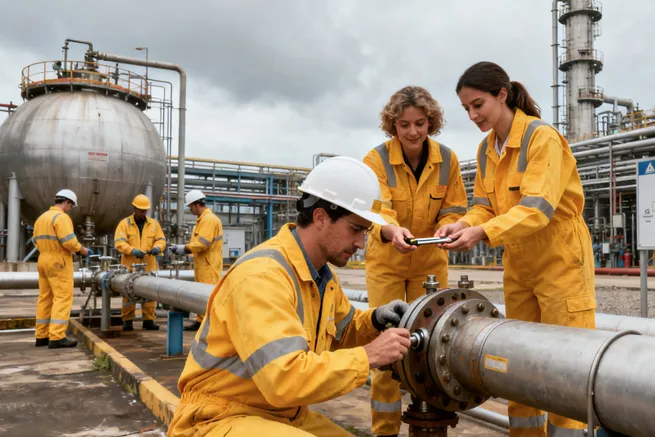
Petrochemical plants, oil depots, and gas stations
Thermal power plants, high-temp workshops, boiler rooms
Metal smelting, foundry, and hot forging
Mechanical hot working, high-temp equipment maintenance
Outdoor high-temperature operations and fire-prone factory posts
EN ISO 11612 is the most widely adopted heat and flame protection standard in European and global industries. Graded performance enables selection of targeted FR workwear based on actual hazard levels. Manufacturers must follow production compliance points to pass CE certification, and enterprise buyers should verify level codes and test reports to ensure qualified protective clothing.
DOMEX focuses on the design and innovation of special protective clothing, and is deeply involved in core protective technologies such as flame resistance and anti-static properties. We provide safe and reliable professional protective solutions for the industrial, power, petroleum and chemical industries, and are committed to becoming a globally trusted protective brand.