English
Oil and gas facilities expose workers to hazards that ordinary workwear is not designed to manage. Flammable vapors, flash fires, hot surfaces, electrical equipment and static discharge can turn routine operations into serious thermal events. For this reason, selecting suitable oil refinery workwear requires more than choosing a heavy fabric or a garment described simply as fire resistant.
Effective flame resistant clothing should match the actual hazard, applicable standard, working environment and physical demands of the job. Refinery operators, maintenance teams, drilling crews and electrical technicians may require different protective clothing even within the same facility.
The goal is to choose workwear that provides the required protection while remaining practical enough to be worn correctly throughout a full shift.
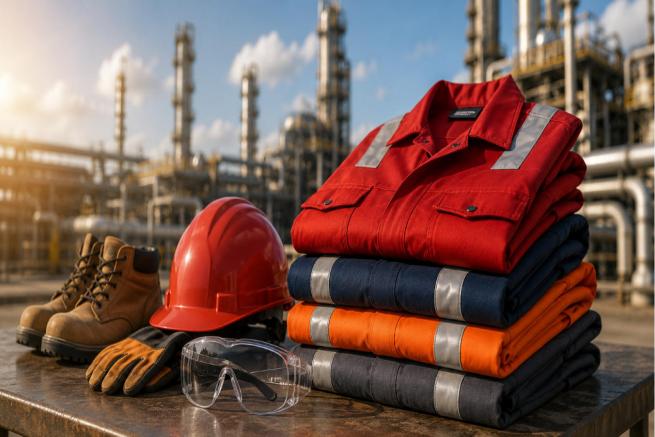
Flame resistant workwear is protective clothing designed to resist ignition, limit flame spread and reduce continued burning after the ignition source is removed.
Oil refineries and gas-processing facilities regularly handle combustible hydrocarbons. If a vapor cloud encounters an ignition source, a flash fire can expose nearby workers to intense heat within seconds.
Ordinary garments can worsen the outcome if they ignite easily or melt onto the skin. Properly selected flame resistant clothing, by contrast, is intended to limit continued combustion and provide an additional protective barrier against thermal exposure.
This type of protection is particularly relevant in refinery process areas, pipeline maintenance, drilling operations, loading facilities and other environments where workers may encounter flash-fire or electrical hazards.
However, FR protection should always follow a workplace hazard assessment. The same oil refinery workwear should not automatically be issued to every employee simply because they work in the oil and gas industry.
Oil and gas FR workwear should combine verified protective performance with suitable fabric, garment coverage, durability and wearer comfort.
When evaluating fr workwear, procurement teams should consider:
Hazard-specific protection: Determine whether workers face flash fire, arc flash, heat, static electricity or combined hazards.
Fabric performance: Review fiber composition, fabric weight, flame-resistance method and relevant test results.
Garment coverage: Sleeves, collars, closures and trouser design should maintain protection during bending, climbing and reaching.
Comfort: Breathability, flexibility and garment weight affect whether workers keep PPE properly fastened throughout a shift.
Durability: Seams, zippers, reflective materials and fabric performance should tolerate repeated work and laundering.
Fit is equally important. Clothing that is too tight may restrict movement and reduce the insulating air space between garment and skin, while excessively loose garments can create snagging hazards around machinery.
For larger refinery programs, consistency across production batches also matters. A sample garment may perform well, but purchasing teams should ensure fabric, trims and construction remain consistent during repeat orders.
Protective clothing standards define specific test methods and performance requirements, and different standards address different workplace hazards.
NFPA 2112 is widely associated with flame-resistant garments for industrial personnel exposed to short-duration thermal hazards from fire. Buyers sourcing nfpa 2112 coveralls should verify that the actual garment is certified for the required standard rather than assuming all FR clothing offers the same level of protection.
NFPA 70E addresses electrical workplace safety and helps determine arc-rated PPE for electrical hazards. FR clothing is not automatically arc rated; appropriate arc testing and ratings are required.
EN ISO 11612 covers protective clothing for workers exposed to heat and flame and includes classifications for different types of thermal exposure.
| Standard | Main Focus | Typical Application |
|---|---|---|
| NFPA 2112 | Short-duration thermal / flash-fire protection | Refinery, petrochemical, oil & gas |
| NFPA 70E | Electrical and arc-flash safety | Electrical maintenance |
| EN ISO 11612 | Heat and flame protection | Industrial thermal hazards |
A refinery may require more than one standard depending on the worker's task. An electrician working around energized equipment, for example, may need different protection from an operator whose primary exposure is a potential hydrocarbon flash fire.
The right FR garment should be selected according to the worker's task, exposure, climate and required level of body coverage.
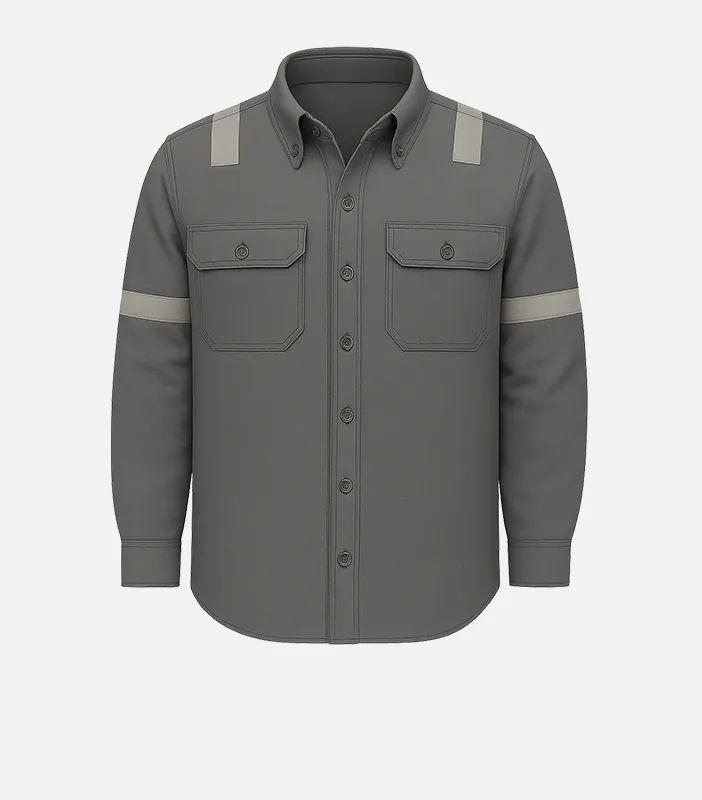
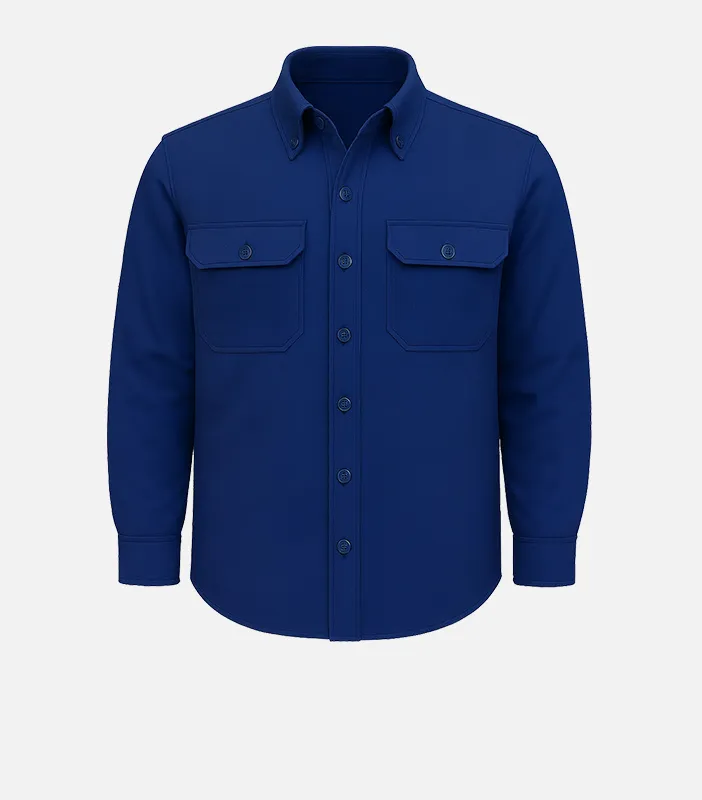
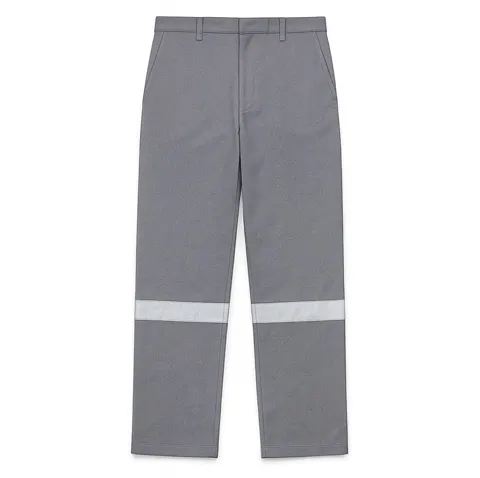
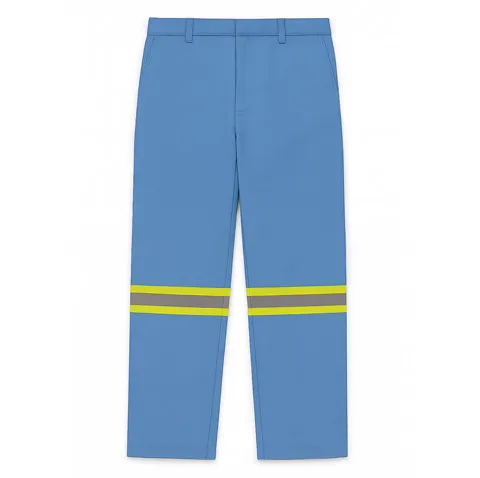
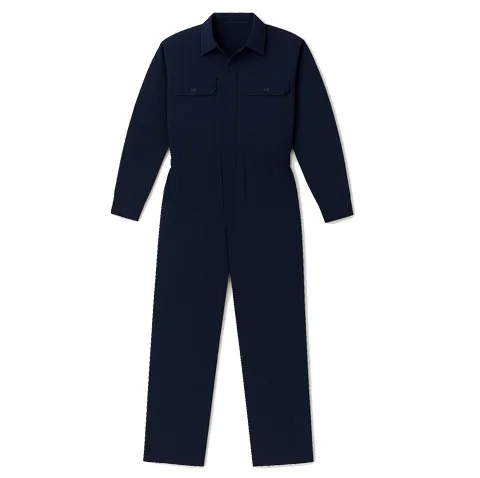
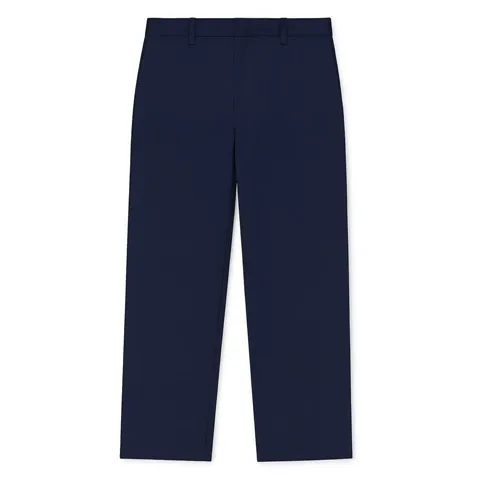
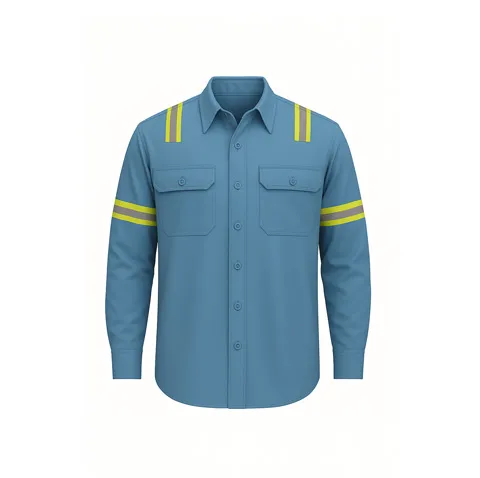
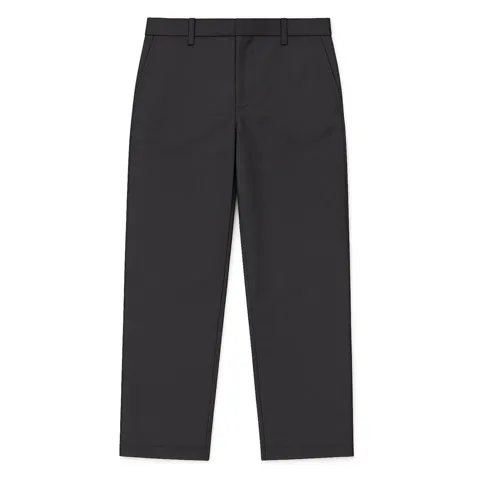
For process operators, FR shirts and trousers can provide practical daily protection where a two-piece system is permitted by the site's hazard assessment. FR coveralls provide more continuous coverage and may be preferred for maintenance, turnaround work and tasks with greater contamination or flash-fire exposure.
Outdoor pipeline and field crews may need FR jackets or layered systems during cold weather. Offshore and warm-climate workers often require lighter garments that balance flame resistance with breathability and moisture management.
Oilfield apparel may also need high visibility, anti-static properties and compatibility with gloves, harnesses, respirators and other PPE.
The garment should remain protective during realistic movements. Workers may kneel, climb ladders, reach above shoulder level or crawl into restricted spaces, so wearer trials can reveal problems that are not obvious when garments are evaluated only on a table.
FR describes flame-resistant performance, while IFR generally refers to inherently flame-resistant fabrics whose protective properties come from the fiber itself.
Some FR fabrics achieve protection through chemical treatment, while inherently flame-resistant materials are produced from fibers designed to resist flame as part of their fundamental structure.
Neither approach is automatically better for every oil and gas application. Treated FR cotton blends can offer familiar comfort and competitive initial cost. IFR clothing may be preferred where buyers prioritize long-term flame resistance, lower garment weight or repeated industrial laundering.
The better choice depends on certified performance, worker comfort, laundering conditions, expected garment life and total lifecycle cost. A more expensive IFR garment may provide value over a longer service period, while a treated FR garment can be appropriate for many routine refinery roles when its performance meets the required standard.

Oil and gas protective clothing should be sourced according to worker hazards and job functions rather than using one garment specification across an entire facility.
A refinery workforce may include process operators, electricians, mechanical maintenance teams, contractors, supervisors and outdoor crews. These roles can require different fabrics, garment structures and protective standards.
Domex Safety's approach to oil and gas protective clothing supports FR, IFR and arc-rated workwear for different industrial requirements. For buyers managing multi-role PPE programs, this makes it possible to consider garment construction, climate, visibility and relevant standards together instead of evaluating each product only by fabric weight or price.
The most useful purchasing question is therefore not “Which FR garment offers the most protection?” but “Which certified garment system matches the real hazard of each worker?”
Selecting oil refinery workwear requires a task-based approach. Flash-fire exposure, electrical hazards, climate, garment coverage, comfort and applicable standards all influence the correct choice.
NFPA 2112, NFPA 70E and EN ISO 11612 address different protective needs, while FR and IFR fabrics provide different approaches to long-term flame resistance. Effective flame resistant clothing should therefore be selected through hazard assessment, verified performance and worker requirements rather than price or fabric thickness alone.
It helps reduce burn injury risk where workers may be exposed to flash fire, heat or related thermal hazards.
No. NFPA 2112 compliance requires the applicable testing and certification.
No. Arc-rated clothing has a tested arc rating, while FR alone does not establish arc-flash protection.
They may be suitable where continuous body coverage or greater protection is required by the hazard assessment.
FR describes flame-resistant performance, while IFR generally refers to garments made from inherently flame-resistant fibers.
Evaluate hazards, required standards, job tasks, climate, fabric performance, garment coverage and worker comfort.