English
Electrical workers may face sudden thermal hazards when an arc flash occurs. The resulting heat can cause severe burns within a very short period, which is why suitable arc rated workwear is an essential part of electrical safety programs.
Two common options are arc flash coveralls and arc flash jackets. Both can be designed as arc flash clothing, but they provide different levels of body coverage, mobility and layering flexibility. The correct choice depends on incident-energy assessment, job duration, working environment and the other PPE used with the garment.
For safety managers and procurement teams, the objective is not to choose the heaviest garment available. It is to select clothing that provides the required protection while allowing workers to perform their tasks correctly and consistently.
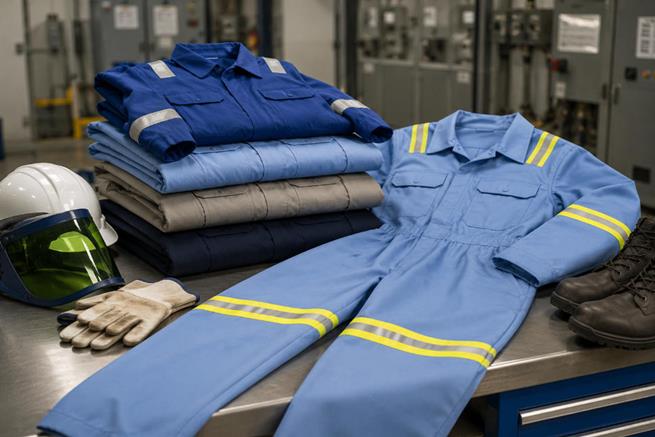
Arc rated clothing is protective workwear that has been tested to determine how much incident thermal energy it can withstand during an electrical arc event.
Arc-rated garments are different from ordinary flame-resistant clothing because they have a measured arc rating. This value is generally expressed in calories per square centimeter, or cal/cm², and helps safety professionals match clothing to the expected electrical hazard.
A garment may resist flame but still lack an established arc rating. Therefore, FR and arc-rated should not automatically be treated as identical terms.
The main purpose of arc-rated clothing is to reduce the severity of burn injury if workers are exposed to an arc flash. It may be used by electricians, electrical maintenance technicians, utility workers, switchgear operators and personnel working around energized electrical equipment.
Garment selection should always begin with the workplace risk assessment and required protection level rather than appearance or fabric weight alone.
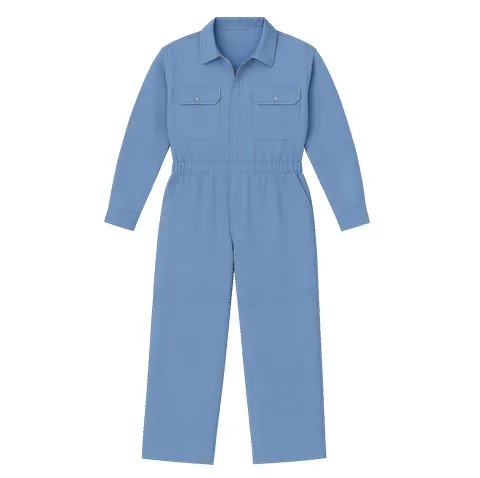
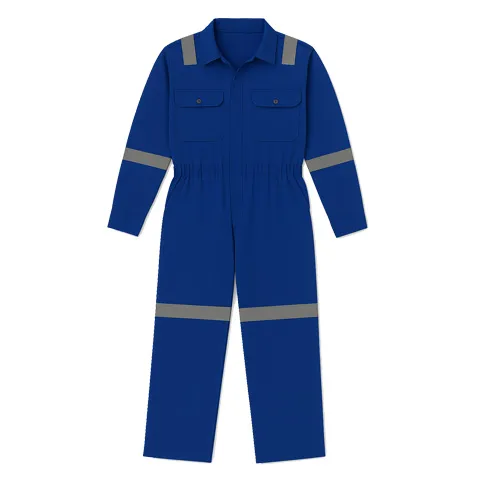
The main difference between arc flash coveralls and arc flash jackets is body coverage: coveralls provide integrated upper- and lower-body protection, while jackets protect primarily the upper body and are commonly used as part of a layered PPE system.
| Factor | Arc Flash Coveralls | Arc Flash Jackets |
|---|---|---|
| Body coverage | Torso, arms and legs | Torso and arms |
| Garment format | One-piece | Separate upper-body garment |
| Best suited for | Full-shift or higher-coverage applications | Task-based or layered protection |
| Mobility | Continuous coverage but more fabric | Easier to put on or remove |
| Layering | Can be worn over base garments | Easily combined with arc-rated pants |
| Typical use | Substations, switchgear, electrical maintenance | Outdoor work, inspection, maintenance |
Workers who need continuous whole-body protection may prefer arc flash coveralls, while a jacket can be more convenient when protection is needed primarily during specific electrical tasks.
Neither garment type is inherently safer in every situation. The correct garment must provide an arc rating appropriate to the hazard and be worn with compatible PPE.
Arc flash coveralls are appropriate when workers require continuous upper- and lower-body protection in environments where electrical hazards can be present throughout the task.
Coveralls can be particularly useful in substations, electrical rooms, switchgear maintenance and industrial facilities where workers regularly move between multiple energized-equipment areas.
Typical situations include:
switchgear inspection and maintenance;
electrical installation or repair;
work inside substations and utility facilities;
industrial maintenance around energized equipment;
tasks requiring continuous full-body arc-rated coverage.
One advantage of a one-piece design is that it reduces the gap between separate shirts and trousers when a worker bends, reaches or climbs. This can help maintain more consistent body coverage during movement.
However, coveralls should still be evaluated for fit and comfort. Excessively heavy or restrictive garments can make long-duration work more difficult, particularly in hot environments.
For this reason, selecting electrical safety clothing should balance protection with mobility, ventilation and realistic job conditions.
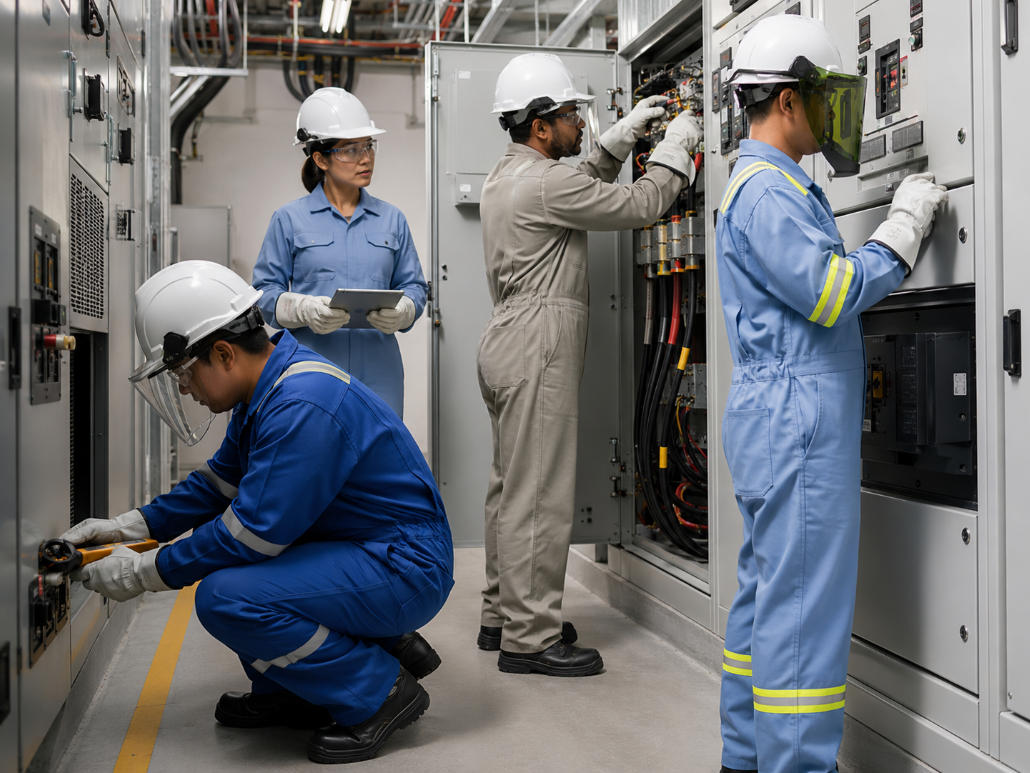
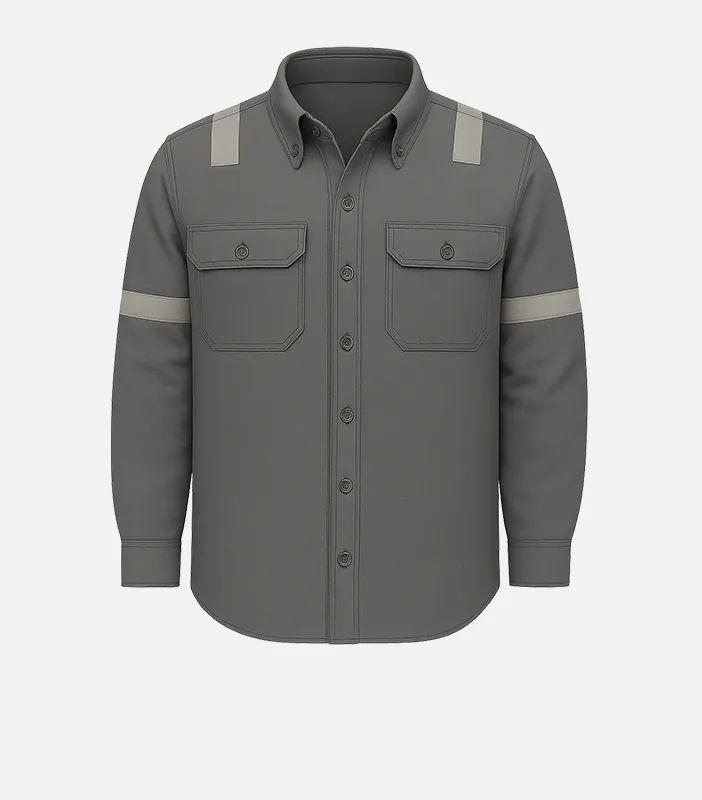
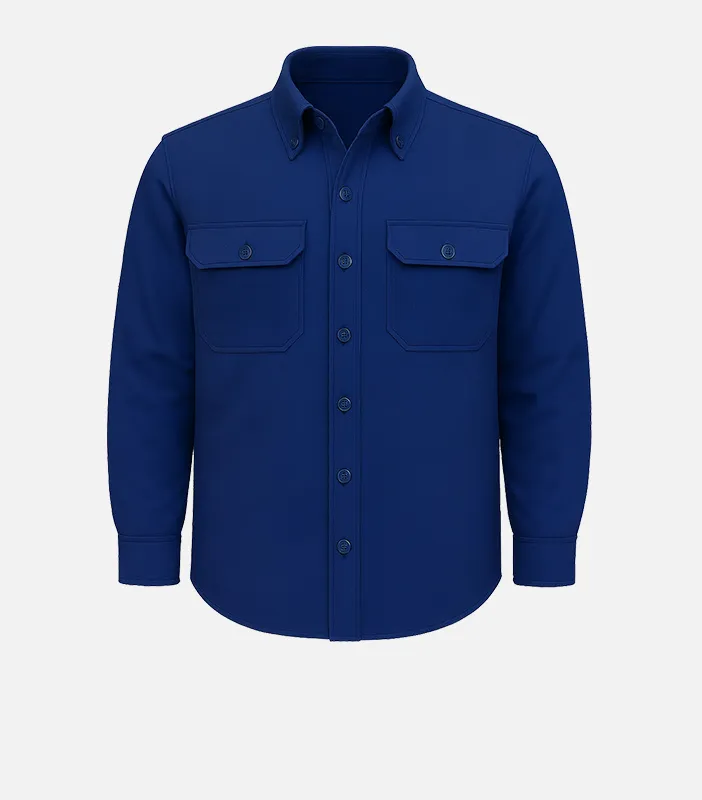
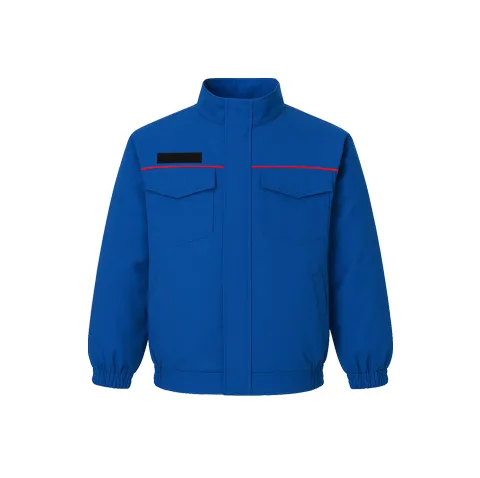
Arc flash jackets are often preferred when workers need flexible upper-body protection that can be added or removed according to the electrical task.
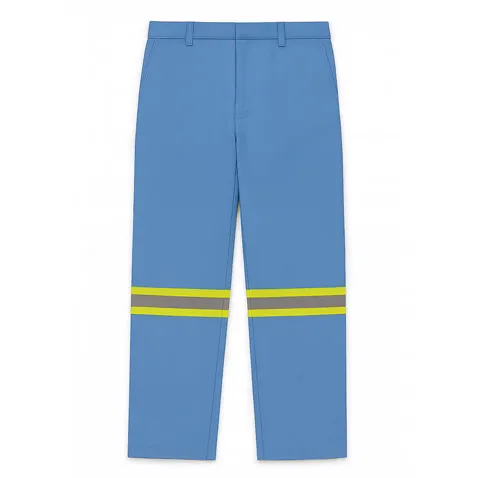
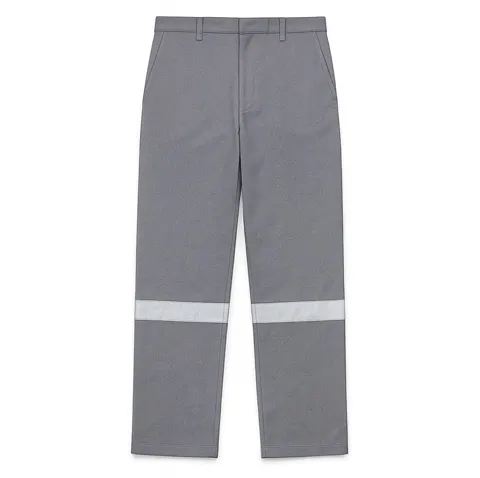
An arc flash jacket can be combined with appropriately rated trousers and other PPE to create a complete protective system. This makes jackets useful for electrical maintenance teams that perform both normal duties and higher-risk tasks during the same shift.
Jackets may also be practical for outdoor electrical work, cooler environments or jobs where workers need additional protection only when approaching energized equipment.
Because the jacket is a separate garment, safety managers need to make sure the rest of the clothing system provides suitable protection. Wearing an arc-rated jacket over ordinary non-protective trousers does not automatically create full-body arc-flash protection.
Fit also matters. Sleeves should remain in position when workers reach overhead, while cuffs, closures and collars should not interfere with gloves, face protection or other PPE.
ATPV is an arc-rating value used to describe the incident energy at which there is a 50% probability of sufficient heat transfer to cause a second-degree burn through the tested fabric system.
ATPV is normally expressed in cal/cm². For example, a garment with an arc rating of 4 cal/cm² is designed for a different hazard level from one rated at 8 or 25 cal/cm². Higher numbers do not mean a garment should automatically be selected; protection should correspond to the actual incident-energy requirement.
ASTM F1506 is another important specification for clothing worn by workers exposed to momentary electric arc and related thermal hazards. Buyers evaluating astm f1506 clothing should review not only fabric performance but also garment construction, labeling and applicable test requirements.
The garment label should clearly communicate the relevant arc rating and other required information. Procurement teams should also verify that replacement garments maintain the same required level of protection rather than assuming that similar-looking products are interchangeable.
Selecting arc rated clothing requires matching the hazard level, job task, garment coverage and working environment to a tested protective clothing system.
Before placing an order, safety managers should review:
Incident-energy requirement: Ensure the garment's arc rating is suitable for the assessed hazard.
Required coverage: Decide whether a full coverall or jacket-and-trouser combination better fits the task.
Working climate: Lightweight and breathable options may improve wearability in hot environments.
Job movement: Garments should allow climbing, kneeling, reaching and equipment maintenance.
PPE compatibility: Check interaction with gloves, helmets, face shields and fall-protection equipment.
Garment management: Consider laundering, inspection, replacement and identification requirements.
Domex Safety develops arc-rated protective clothing for electrical and industrial applications, including coveralls and jackets with different constructions and protection requirements. For buyers, the key value of a supplier is not simply offering multiple garments, but being able to match garment configuration to actual workplace hazards.
Choosing between arc flash coveralls and arc flash jackets depends on the protection level, body coverage and flexibility required for the job. Coveralls provide integrated full-body coverage, while jackets work well in layered systems and task-specific electrical work.
Effective arc rated clothing should be selected according to incident-energy assessment, ATPV or arc rating, relevant standards, working conditions and wearer comfort. The best protective garment is one that meets the required safety performance and can be worn correctly throughout the task.
FR clothing resists flame, while arc-rated clothing has also been tested for performance against electrical arc thermal energy.
ATPV is an arc-rating value expressed in cal/cm² that indicates the thermal protection provided by the tested fabric or garment system.
Not always. Coveralls provide more integrated coverage, while jackets offer greater layering flexibility.
It may need to be combined with arc-rated trousers and other PPE depending on the hazard assessment.
ASTM F1506 is commonly referenced for textile materials and garments used by electrical workers exposed to momentary electric arc hazards.
Start with the hazard assessment, required arc rating, body coverage, work environment, comfort and compatibility with other PPE.

This is the first one.