English
When it comes to arc flash protection and electrical safety, understanding Hazard Risk Category (HRC) levels is essential for choosing the right PPE (personal protective equipment). HRC levels define the severity of electrical hazards and determine the level of protection required for workers in different environments. In this blog, we’ll break down the HRC levels, explain what each category means, and highlight why knowing these levels is vital for workplace safety.
Hazard Risk Categories (HRC) are defined by the NFPA 70E standard and are used to categorize the level of arc flash hazard present in a particular area of work. These categories help to determine the appropriate PPE required to protect workers from potential arc flash injuries based on the severity of the hazard.
HRC levels range from HRC 0 (the lowest risk) to HRC 4 (the highest risk). Each level corresponds to a specific range of incident energy (cal/cm²) that workers may be exposed to during an arc flash incident.
HRC 0 (Low Risk):
Incident Energy Level: Less than 1.2 cal/cm².
Protection Required: No arc flash PPE is required for this level. Workers can wear regular work clothes.
What It Means: Work environments with HRC 0 pose minimal risk of arc flash incidents, and typical clothing like shirts and pants are sufficient for protection.
HRC 1 (Minimal Risk):
Incident Energy Level: Between 1.2 cal/cm² and 4 cal/cm².
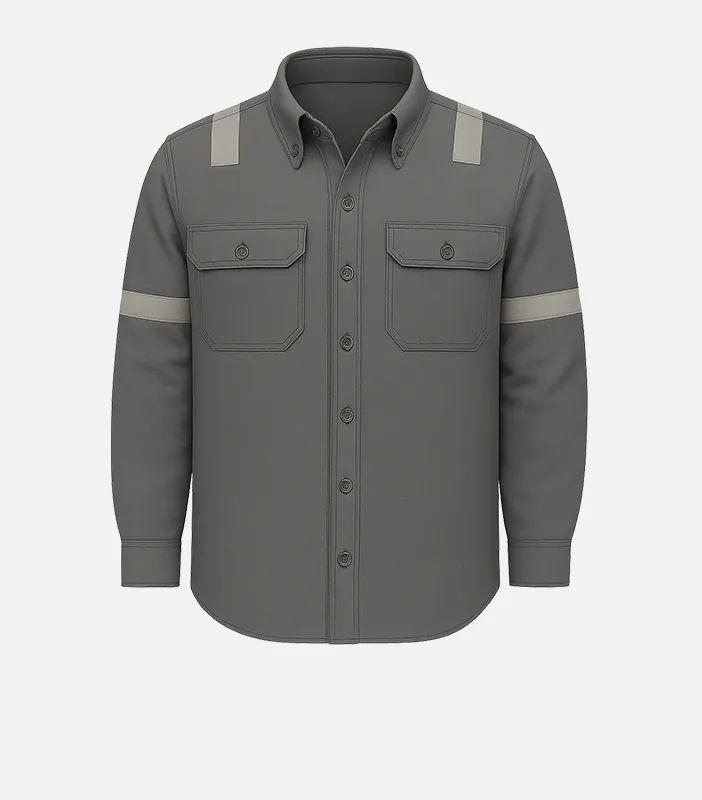
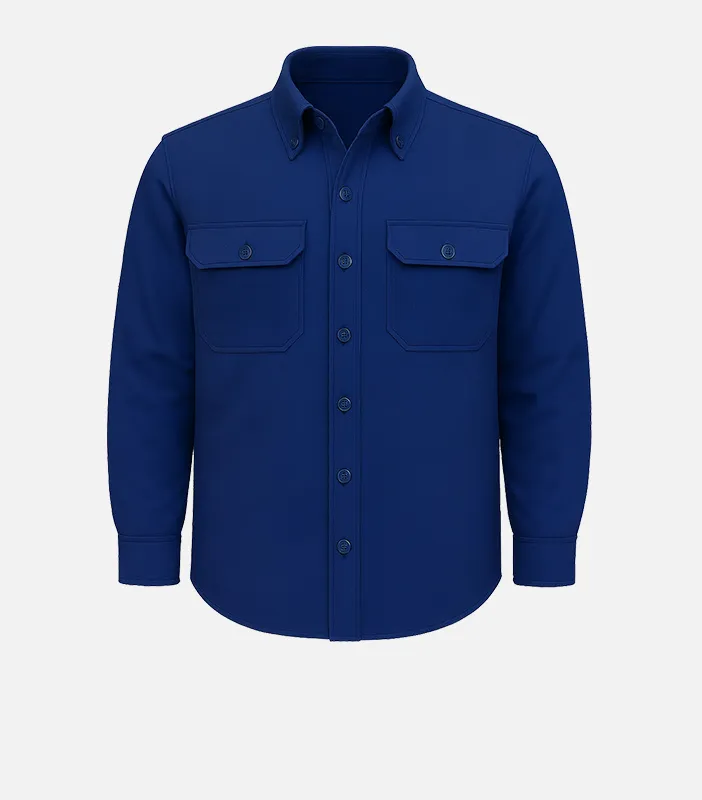
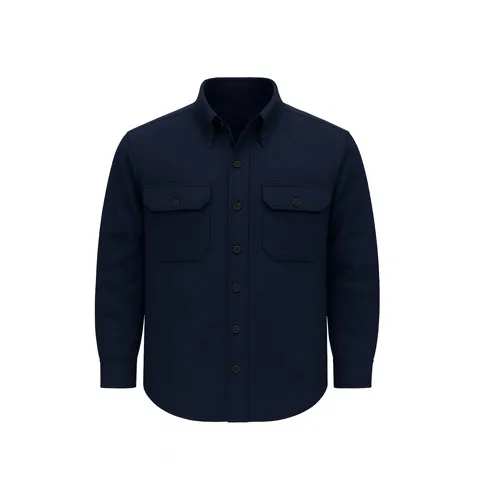
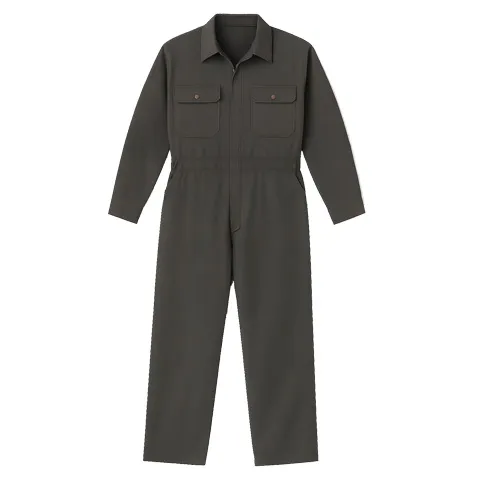
Protection Required: At least flame-resistant (FR) clothing. This could include an FR shirt and FR pants for workers.
What It Means: Basic protective clothing is recommended; electrical arc flash protection clothing can provide extra safety for minor incidents.
HRC 2 (Moderate Risk):
Incident Energy Level: Between 4 cal/cm² and 8 cal/cm².
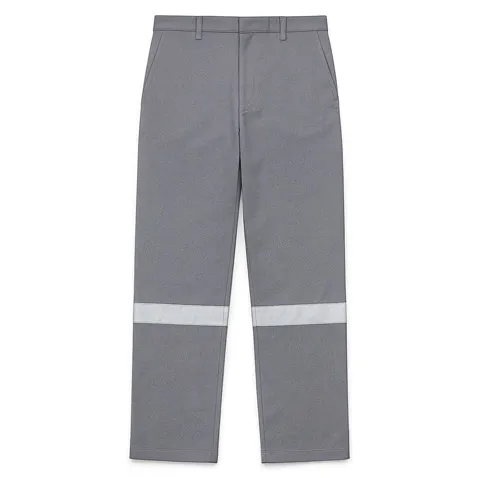
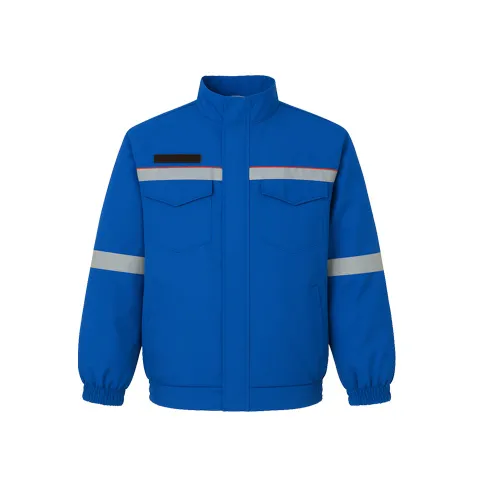
Protection Required: FR clothing with arc flash protection (such as arc flash shirts, pants, and flame-resistant jackets) to provide adequate coverage.
What It Means: Workers in areas classified as HRC 2 need to wear PPE designed specifically for arc flash protection, as the energy levels are higher and the risk is more significant.
HRC 3 (High Risk):
Incident Energy Level: Between 8 cal/cm² and 25 cal/cm².
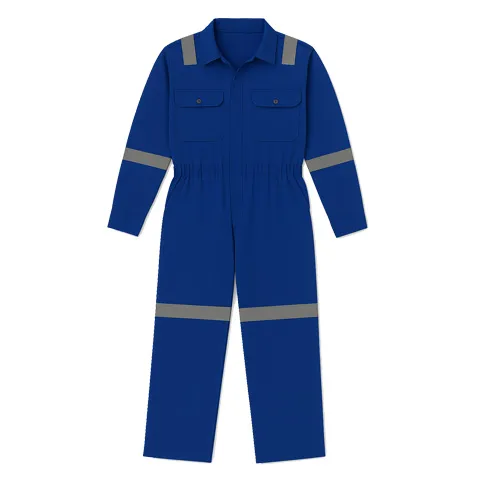
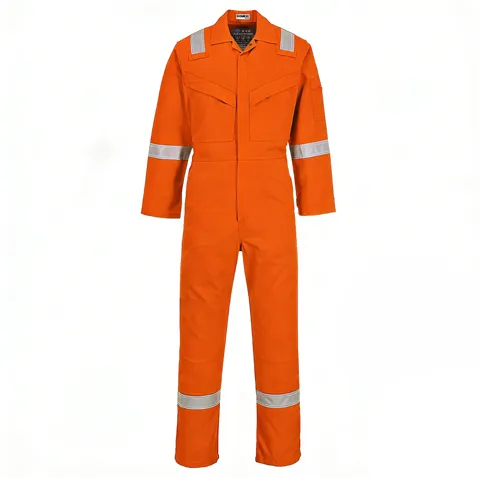
Protection Required: Full arc flash suits with face shields, helmet, and gloves to provide complete protection against the extreme heat and energy generated by arc flash incidents.
What It Means: HRC 3 environments pose a substantial risk, requiring complete coverage with certified arc flash protection gear to avoid burns, electrical injuries, and other life-threatening hazards.
HRC 4 (Very High Risk):
Incident Energy Level: More than 25 cal/cm².
Protection Required: Heavy-duty arc flash suits with multi-layer protection, including an arc flash hood, gloves, and face shields.
What It Means: HRC 4 is the highest hazard category, and workers must be equipped with the most comprehensive protection to guard against severe injury or death in the event of an arc flash.
Knowing the HRC level for your work environment is critical for ensuring that your PPE meets the necessary protection standards. Here’s why it matters:
Ensures Adequate Protection: By knowing the HRC level, you can select the right arc flash clothing and other protective equipment, ensuring that workers are adequately protected against the risks they face.
Compliance with Safety Regulations: Understanding HRC levels helps businesses comply with safety regulations such as NFPA 70E, ensuring that the workplace meets national safety standards.
Minimizes Risk of Injury: Properly assessing and responding to the hazard risk levels reduces the likelihood of injuries caused by arc flash incidents, safeguarding workers and improving workplace safety.
The HRC level for a particular work area is determined by calculating the incident energy (measured in cal/cm²) that could potentially be released during an arc flash. This calculation is based on factors such as:
The voltage of the electrical equipment.
The working distance between the worker and the electrical equipment.
The fault current and duration of the electrical fault.
Understanding HRC levels is a vital part of ensuring worker safety in electrical environments. By selecting the appropriate arc flash PPE based on the HRC level of your worksite, you can significantly reduce the risk of electrical burns and other injuries.
At Domex Safety, as one of the leading safety workwear manufacturers, we offer a wide range of arc flash clothing and PPE solutions that are designed to meet the needs of various HRC levels. Explore our collection today to find the right protective gear for your workplace and ensure your team stays safe in electrical environments.