English
Electrical hazards are a major concern in industrial workplaces. Arc flash incidents, in particular, can cause severe injuries within seconds. To reduce these risks, safety standards provide guidance on proper procedures and protective equipment.
One of the most important standards in this field is NFPA 70E, which defines how to protect workers from electrical hazards in the workplace.
NFPA 70E is a standard that provides guidelines for electrical safety in the workplace, including how to select and use appropriate PPE.
It focuses on:
Hazard identification and risk assessment
Safe work practices
PPE selection based on risk level
Training and safety procedures
It is widely used in the United States and global industrial projects.
NFPA 70E plays a critical role in reducing workplace injuries related to electrical hazards.
It helps organizations:
Identify and evaluate electrical risks
Define safe working distances
Select appropriate arc flash PPE
Establish safety procedures for workers
By following NFPA 70E, companies can improve both safety and compliance.
One of the key elements of NFPA 70E is arc flash risk assessment.
This process involves:
Determining incident energy levels
Evaluating equipment and task conditions
Defining required PPE levels
The results help determine the appropriate protection needed for each task.
NFPA 70E provides guidance on selecting protective clothing based on hazard levels.
Common PPE includes:
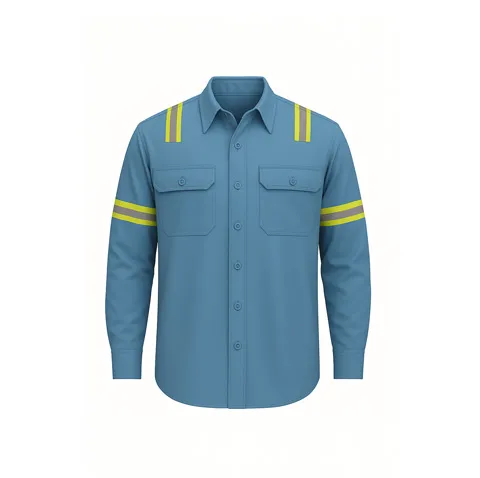
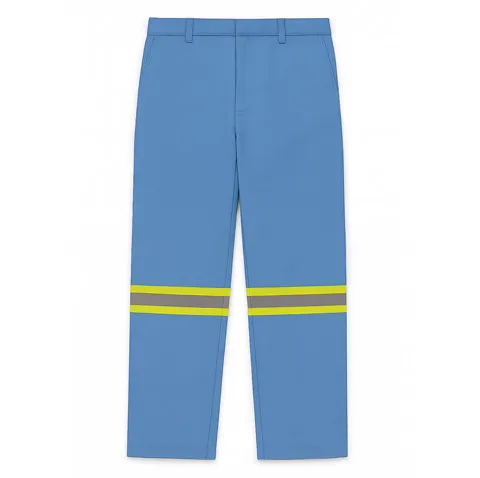
Arc-rated shirts and pants
FR coveralls
Arc flash suits
Face shields and gloves
PPE must match the incident energy level to ensure effective protection.
NFPA 70E works together with other safety standards.
For example:
ASTM F1506 – Defines performance of arc-rated fabrics
NFPA 2112 – Covers flame-resistant clothing for flash fire
IEC 61482 – International arc flash standard
NFPA 70E focuses on how to use PPE, while others define product performance.
NFPA 70E is widely applied in:
Electrical utilities
Manufacturing plants
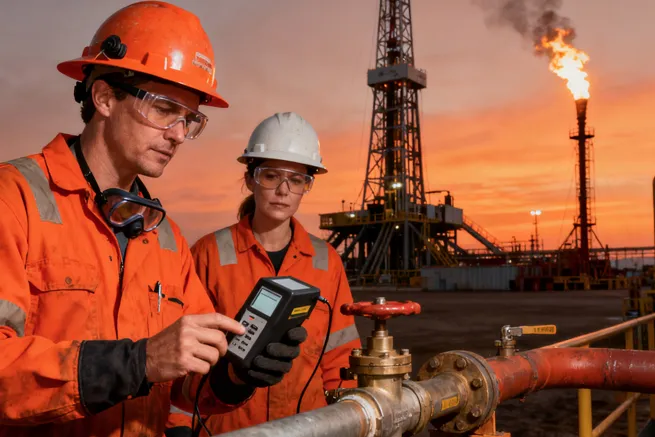
Oil & gas facilities
Industrial maintenance operations
Any workplace involving energized electrical systems can benefit from this standard.
Following NFPA 70E requires more than just PPE—it involves proper training.
Key elements include:
Worker awareness of electrical hazards
Proper use of protective equipment
Regular safety inspections
Updated procedures and documentation
Training ensures that PPE is used effectively.
NFPA 70E is a foundational standard for electrical safety. By providing clear guidance on hazard assessment, PPE selection, and safe work practices, it helps organizations protect workers from arc flash and other electrical risks.
Implementing NFPA 70E is not just about compliance—it is about creating a safer and more reliable work environment.