English
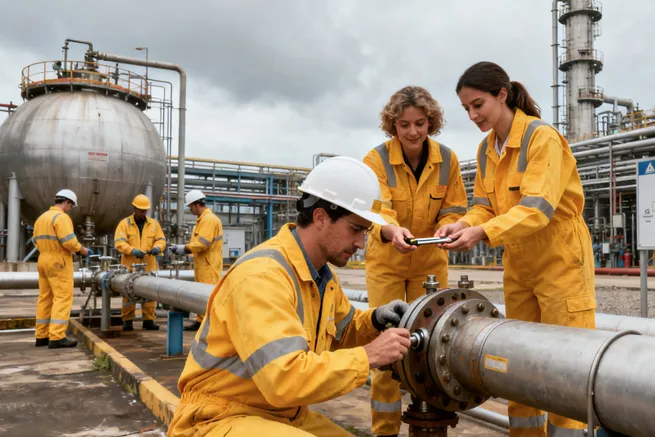
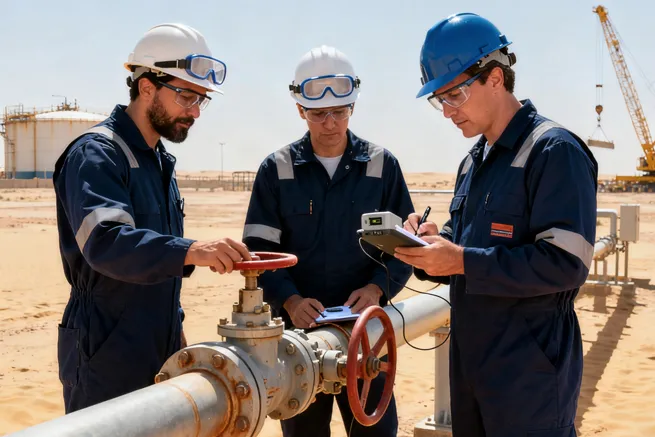
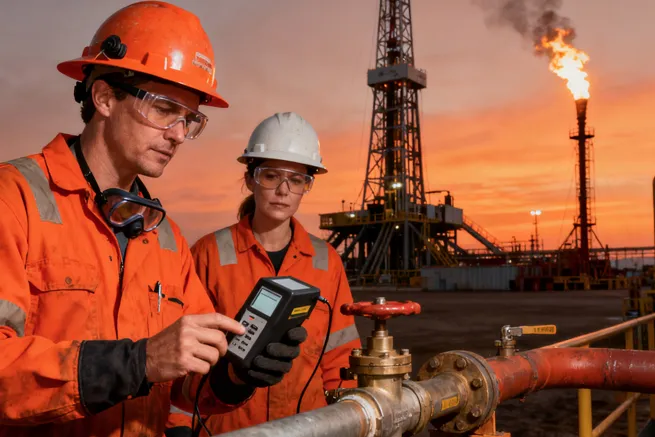
In industries where workers are exposed to extreme heat, flames, or electrical hazards, flame-resistant (FR) clothing is a vital part of personal protective equipment (PPE). Over the years, fabric technology has evolved, leading to significant advancements in FR clothing. Modern FR fabrics offer not only better protection but also improved comfort, durability, and breathability. In this blog, we’ll explore the top fabric innovations that are transforming modern FR clothing and enhancing worker safety.
One of the most significant advancements in FR clothing is the development of inherently flame-resistant fabrics. These materials are designed at the fiber level to resist flames, unlike traditional FR fabrics that are treated with flame-retardant chemicals after manufacturing.
What to Look For: Fabrics such as Nomex, Kevlar, and Lenzing FR offer inherent flame resistance that won’t wash out or wear off over time.
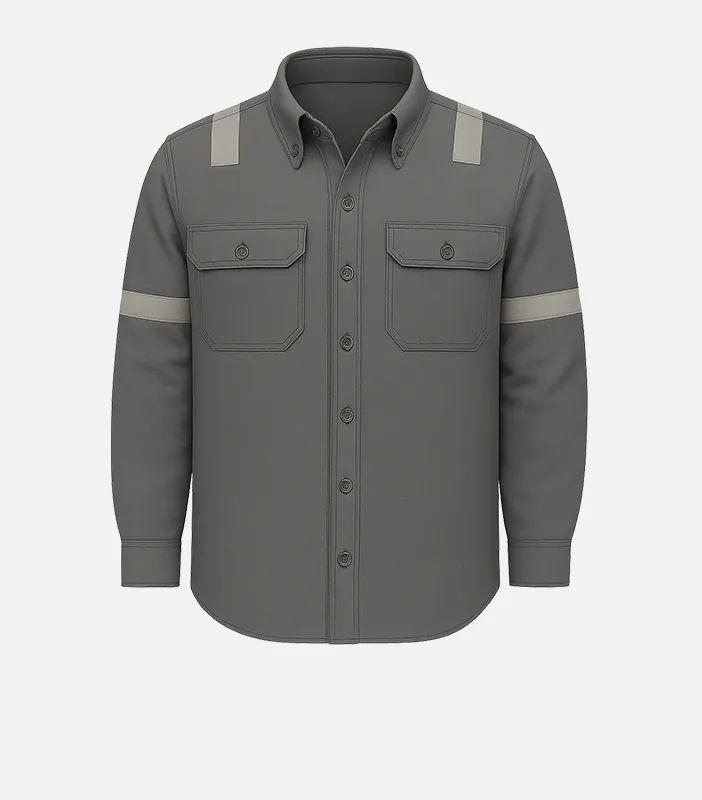
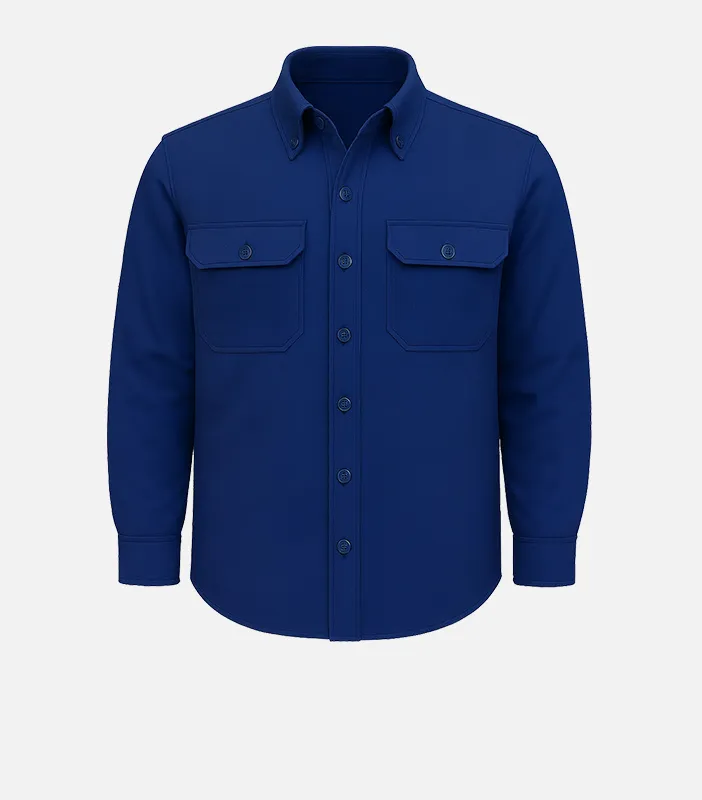
Why It Matters: Inherently FR fabrics offer long-lasting protection and enhanced durability, making them ideal for high-risk environments. Using high-quality ifr clothing ensures workers remain safe even during prolonged exposure to heat and flames.
Modacrylic fibers are increasingly used in FR fabric blends due to their excellent flame resistance and comfort. These fibers are often combined with cotton or viscose to create garments that offer a balance of protection and comfort.
What to Look For: Look for modacrylic-based blends, which combine the lightweight nature of cotton with the flame resistance of modacrylic fibers.
Why It Matters: This blend provides breathability, moisture-wicking, and softness while still offering high-level flame protection, making it perfect for workers in industries such as oil and gas, construction, and electric utilities.
A cutting-edge innovation, carbon nanotube technology is being incorporated into FR fabrics to enhance their thermal protection and electrical resistance. Carbon nanotubes can significantly increase the strength and heat resistance of fabrics without adding weight or stiffness.
What to Look For: Fabrics with embedded carbon nanotubes offer enhanced durability and protection without sacrificing comfort or flexibility.
Why It Matters: This technology is ideal for workers in environments with high electrical hazards, such as electrical contractors and power plant workers, providing superior protection against arc flash and heat exposure.
Comfort is a key factor in worker compliance with safety gear, and modern FR fabrics are now designed to offer enhanced breathability and moisture-wicking properties. These innovations allow for better temperature regulation and prevent workers from overheating, even in demanding environments.
What to Look For: Look for FR fabrics with built-in moisture-wicking capabilities, like treated cotton blends or polyester-modacrylic fabrics that allow sweat to evaporate.
Why It Matters: Breathable and moisture-wicking fabrics enhance comfort and reduce the risk of heat stress, ensuring workers stay cool and focused throughout the day.
Traditionally, FR clothing was known for being heavy and restrictive, but lightweight and flexible fabrics are changing that perception. Stretchable FR fabrics provide increased mobility, making them ideal for workers who need to move freely while maintaining high protection levels.
What to Look For: Fabrics like spandex-modacrylic blends and FR-treated stretch fabrics allow workers to bend, stretch, and move freely without compromising safety.
Why It Matters: Flexibility and comfort help workers perform tasks with greater ease and reduce fatigue, particularly in physically demanding roles like welders, electricians, and mechanics.
Modern FR fabrics are now incorporating reinforced fibers and coatings to improve abrasion resistance and longevity. These durable fabrics are designed to withstand the daily wear and tear of high-risk environments, ensuring that protective clothing lasts longer.
What to Look For: Aramid-based or reinforced cotton fabrics with added abrasion-resistant coatings increase the durability of FR clothing in demanding jobs.
Why It Matters: Workers in heavy-duty sectors need durable PPE that will withstand frequent use without sacrificing protective properties. Reinforced FR fabrics ensure long-lasting protection and value for money.
Sustainability is becoming an important factor in the textile industry, and eco-friendly FR fabrics are gaining popularity. These fabrics are made from renewable or recycled materials without compromising safety or performance.
What to Look For: Look for FR fabrics made from recycled polyester or sustainable fibers such as hemp, which still offer high levels of flame resistance.
Why It Matters: Eco-friendly FR fabrics provide a more sustainable option for industries looking to reduce their environmental impact while maintaining worker safety.
The fabric innovations in modern FR clothing are revolutionizing the way workers are protected in high-risk environments. With advancements in flame-resistant materials, comfort, flexibility, and sustainability, workers now have access to high-performance gear that not only keeps them safe but also enhances their comfort and mobility.
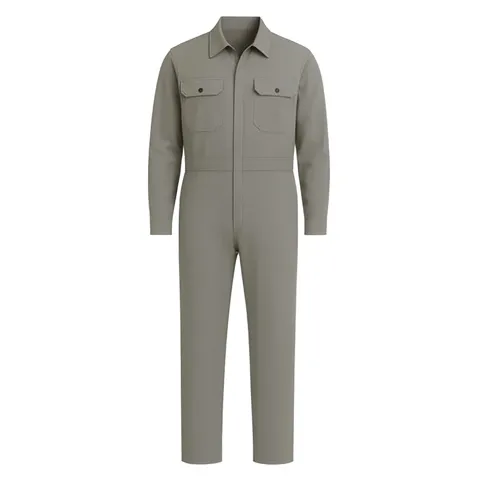
Beyond just traditional FR garments, specialized options such as molten metal protective clothing are emerging to meet the needs of workers exposed to heat, sparks, and molten hazards, rounding out a modern protective wardrobe.
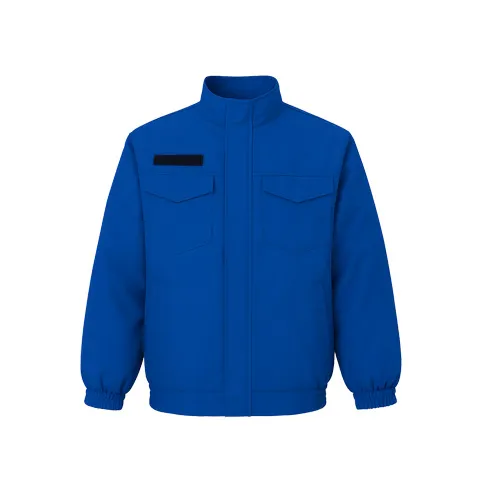
At Domex Safety, we are committed to providing cutting‑edge FR clothing that meets the highest standards of protection and durability. Explore our range of innovative FR garments designed to keep your workforce safe, comfortable, and productive.