English
In hazardous environments where flammable gases, vapors, or dust are present, static electricity can create serious safety risks. Even a small electrostatic discharge may lead to ignition or explosion.
Choosing the right anti-static workwear is essential for reducing these risks and ensuring safe operations in industrial environments.
Select anti-static workwear based on compliance standards, fabric performance, workplace hazards, and garment design.
The key is ensuring reliable electrostatic dissipation in real working conditions.
Before selecting protective clothing, identify the specific hazards.
Key questions include:
Are flammable gases or vapors present?
Is there a risk of dust explosion?
Is the environment classified as hazardous (ATEX zones)?
Understanding the environment helps determine the required protection level.
Anti-static workwear must meet recognized safety standards.
The most important standard is:
EN 1149-5 – Anti-static performance requirements
Supporting tests may include:
EN 1149-1 (surface resistivity)
EN 1149-3 (charge decay)
Certification ensures that garments perform reliably.
Fabric design is critical for electrostatic protection.
Look for:
Conductive or dissipative fibers integrated into the fabric
Stable performance after washing
Compatibility with other protective features
High-quality fabrics ensure consistent anti-static behavior.
Different work environments require different garment options.
Common choices include:
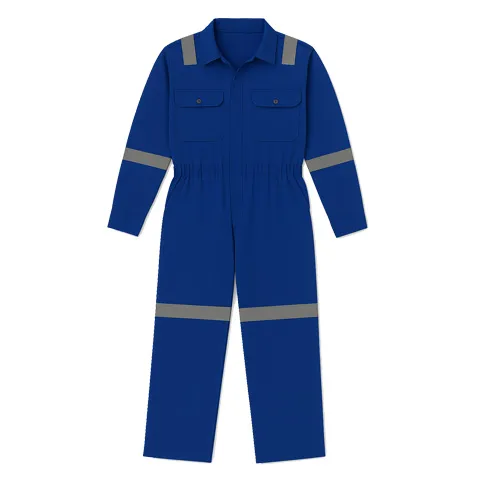
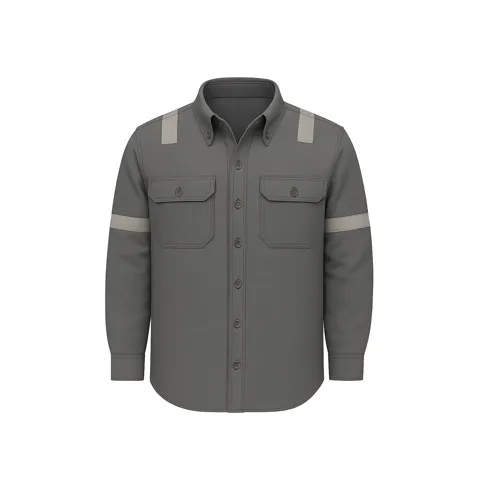
Anti-static coveralls for full-body protection
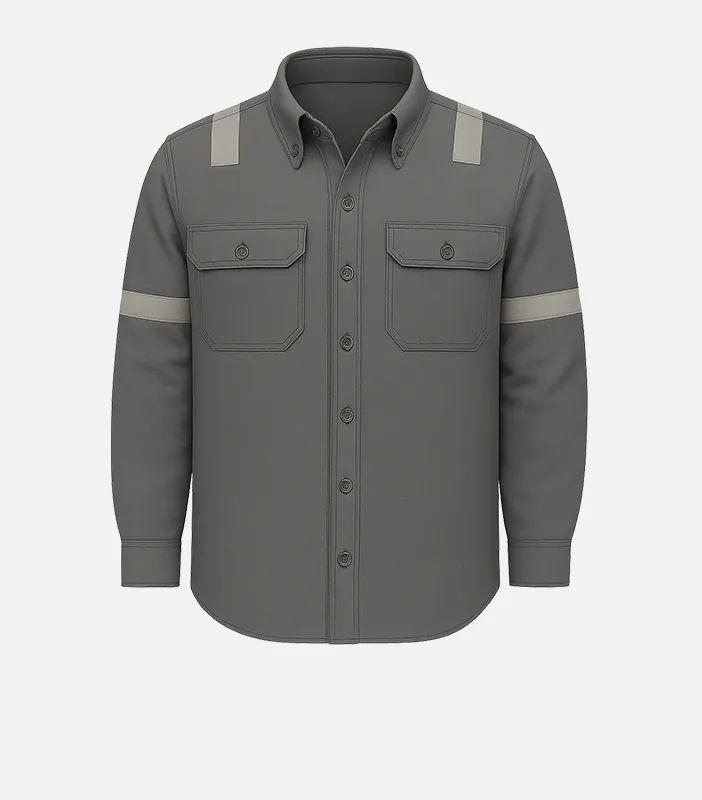
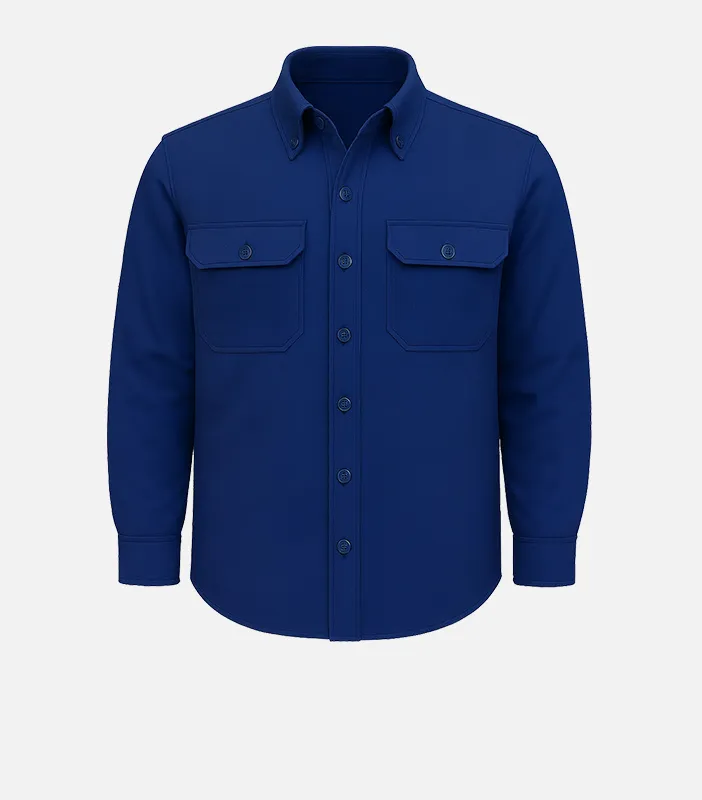
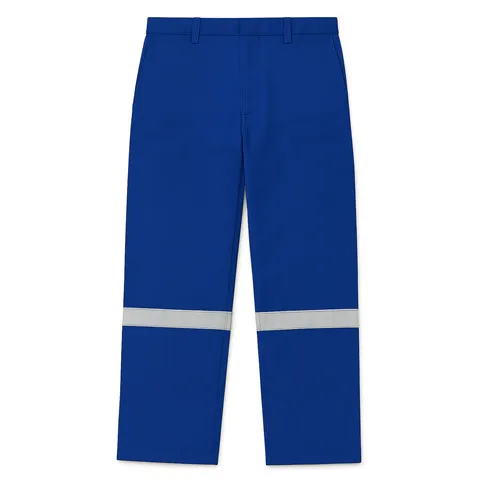
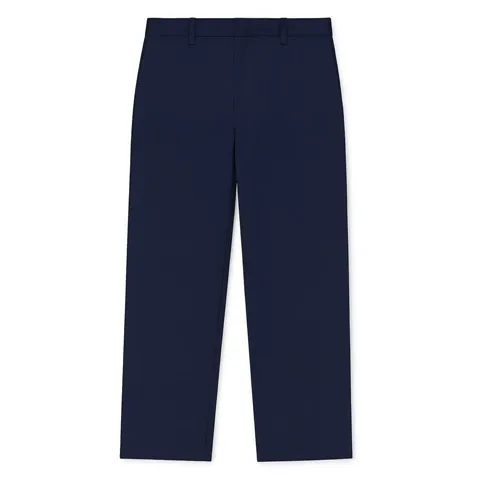
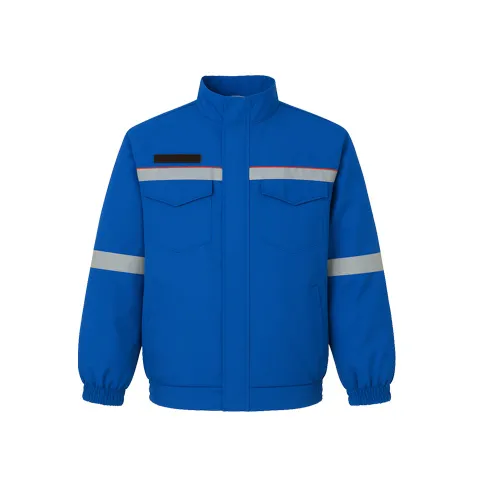
Jackets and pants for flexibility
Multi-hazard garments combining FR and anti-static properties
In oil & gas environments, full-body protection is often preferred.
In many industries, workers face multiple risks at the same time.
Look for garments that combine:
Flame resistance (FR)
Arc flash protection
Anti-static performance
This provides a complete safety solution.
Comfort is important for long working hours.
Key factors include:
Breathability
Lightweight fabric
Ergonomic design
Proper fit
Comfort improves compliance and productivity.
Anti-static performance must be maintained over time.
Best practices:
Avoid fabric softeners
Follow washing instructions
Inspect garments regularly
Replace damaged clothing
Proper maintenance ensures long-term effectiveness.
Choosing the right anti-static workwear requires a clear understanding of workplace hazards, fabric performance, and safety standards. By selecting certified garments and ensuring proper maintenance, companies can significantly reduce electrostatic risks and improve workplace safety.
The right protective clothing is a key part of a reliable safety system.