English
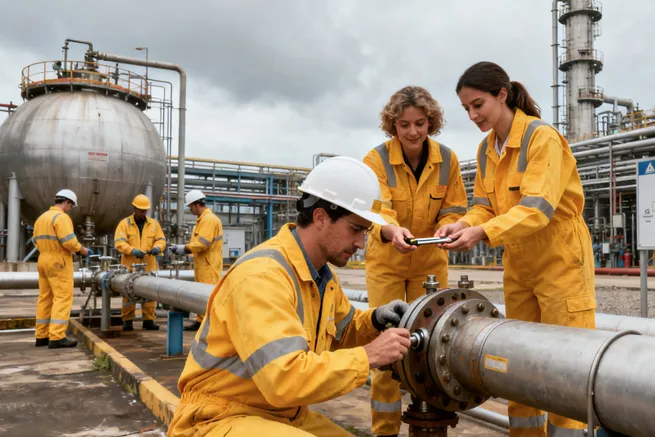
In the fast-paced and hazardous environment of automotive manufacturing, worker safety is a top priority. One of the most essential types of personal protective equipment (PPE) in this industry is flame-resistant (FR) clothing. FR garments are designed to protect workers from fire and heat hazards, which are common in automotive manufacturing settings. In this blog, we’ll explore the critical role of FR clothing in ensuring the safety of workers on the factory floor and why it’s indispensable for automotive manufacturers.
Automotive manufacturing involves several high-risk processes that expose workers to various hazards, including:
Welding and Cutting: These processes generate intense heat and sparks that can ignite flammable materials.
Flammable Liquids and Chemicals: Automotive assembly often involves the use of solvents, oils, and other flammable substances, increasing the risk of fires.
Heat from Machinery: Workers in close proximity to heavy machinery or engines can be exposed to high temperatures.
Electrical Risks: The use of electrical equipment and systems can present arc flash and electrical burn hazards.
To mitigate these risks, workers need proper electrical ppe gear—especially flame-resistant clothing—to shield them from potential burns and injuries.
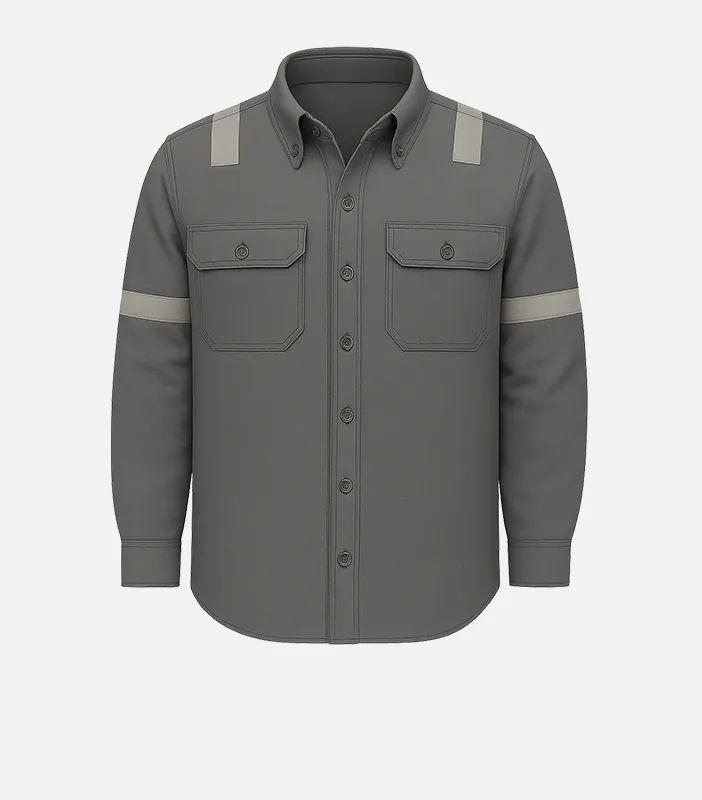
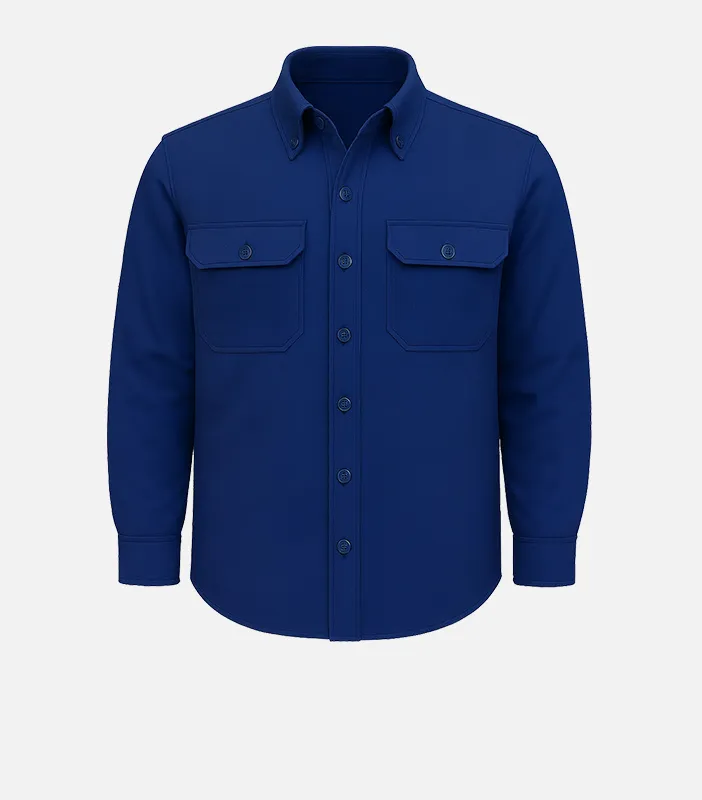
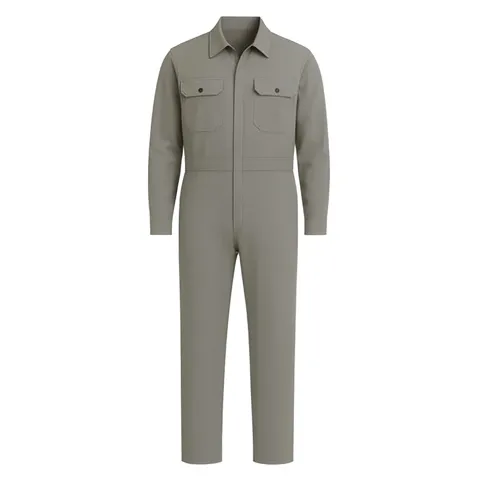
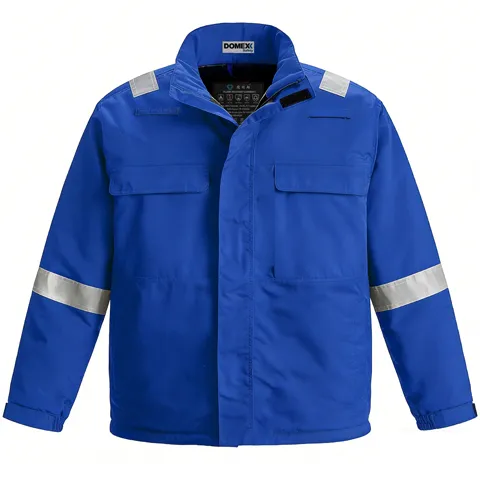
Flame-resistant clothing is specifically designed to protect workers from heat and flame. Here’s how FR garments play a vital role in protecting employees in automotive manufacturing:
Heat Protection: FR clothing is made from specialized fabrics that resist ignition and self-extinguish when exposed to flames or extreme heat. This is essential in environments where welding, cutting, or heavy machinery operations are common.
Fire Resistance: FR garments form a protective barrier between the worker’s skin and potential sources of fire or sparks, reducing the risk of serious burns.
Durability: FR protective clothing is designed to withstand the wear and tear of an industrial environment, offering long-lasting protection even after multiple wash cycles.
In the automotive industry, compliance with safety standards is crucial. FR clothing helps manufacturers meet various regulatory requirements that ensure worker safety, such as:
NFPA 2112: This standard specifies the minimum requirements for flame-resistant garments designed to protect workers from flash fire hazards.
ASTM F1506: Sets the performance criteria for FR clothing worn by electrical workers, ensuring protection against arc flashes and electric shock hazards.
ISO 11612: This international standard ensures that protective clothing—especially molten metal protective clothing—can resist heat and flame, offering protection in environments where exposure to fire and heat is likely.
By providing workers with FR clothing that meets these standards, automotive manufacturers ensure that they adhere to safety regulations, minimizing risks in the workplace.
In automotive manufacturing, workers often need to move quickly and perform physically demanding tasks. While protection is essential, comfort and mobility are just as important. Modern FR clothing is designed to provide both safety and comfort:
Breathability: Advanced FR fabrics allow air to circulate, helping workers stay cool during long shifts and reducing the risk of overheating.
Flexibility: FR garments are tailored to allow a wide range of motion, ensuring workers can perform tasks without being restricted by their clothing.
Lightweight Options: Many FR garments are made with lightweight materials that provide excellent protection without adding bulk.
This combination of protection and comfort ensures that workers can carry out their duties effectively while staying safe.
Investing in high-quality flame-resistant clothing not only protects workers but also benefits automotive manufacturers in several ways:
Reduced Injury Rates: Proper FR clothing helps prevent severe burns and injuries, reducing the number of workplace accidents and their associated costs.
Increased Productivity: When workers are protected and comfortable, they can focus more on their tasks, leading to improved efficiency and productivity.
Legal Compliance: Providing workers with FR clothing that meets industry standards ensures compliance with workplace safety regulations, reducing the risk of legal issues and fines.
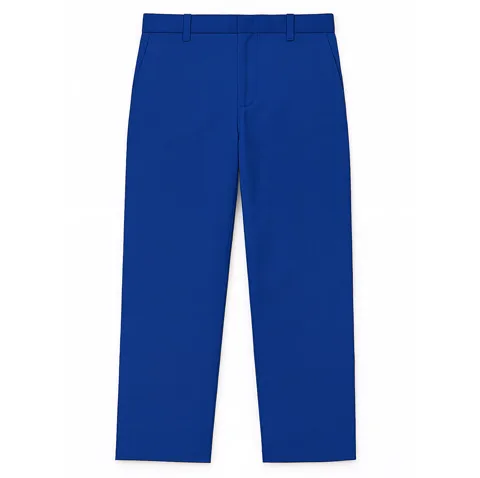
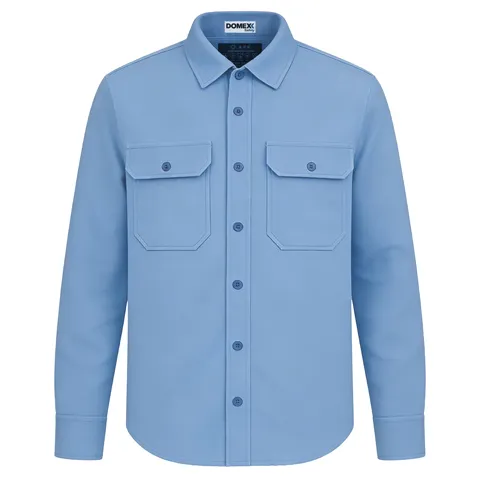
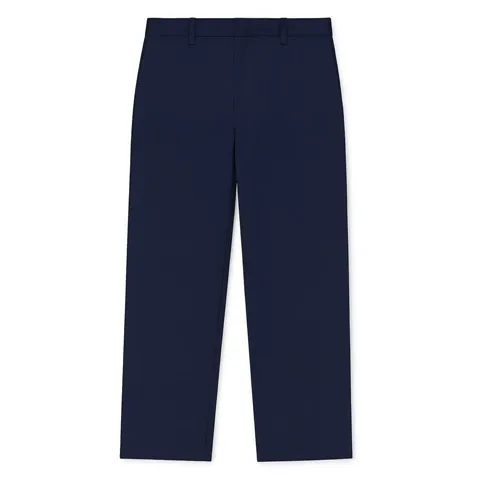
The use of flame-resistant clothing in automotive manufacturing is non-negotiable. The automotive workwear provides critical protection against the many hazards present on the factory floor, ensuring workers are shielded from fire, heat, and electrical risks. At Domex Safety, we offer a wide range of high-quality FR clothing tailored for the automotive industry, ensuring that your workforce remains safe, comfortable, and compliant with industry standards.
Explore our collection of flame-resistant garments today to safeguard your employees and maintain a safe working environment in your automotive manufacturing operations.