English
Arc-rated clothing is a critical component of any electrical safety program. For safety managers tasked with protecting workers from arc flash hazards, selecting the right gear means balancing protection, comfort, durability, and compliance. This guide breaks down the key points you need to consider when buying arc-rated workwear.
Before purchasing arc-rated clothing, begin with a comprehensive arc flash risk assessment. This evaluation identifies:
Potential arc flash incident energy levels
Task-specific exposure
Work environment conditions
The results help determine the minimum arc rating (cal/cm²) required for protective clothing.
Arc-rated clothing is designed and tested to protect against the thermal energy released during an arc flash. Protective performance is measured in cal/cm², indicating how much incident energy the garment can withstand without causing serious burns.
Choosing the correct arc rating is the foundation of effective PPE selection.
Depending on your workplace and tasks, you’ll select from different arc-rated options:
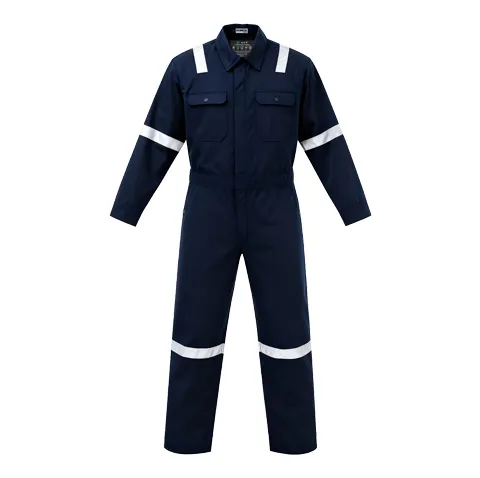
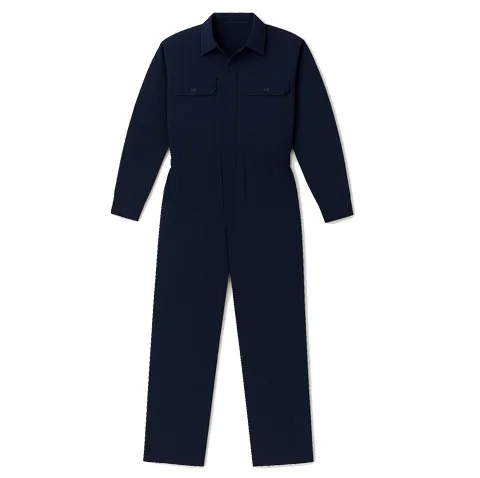
✔ Arc Flash Coveralls
Full-body protection with fewer gaps between garments — ideal for high-risk and long-duration electrical work.
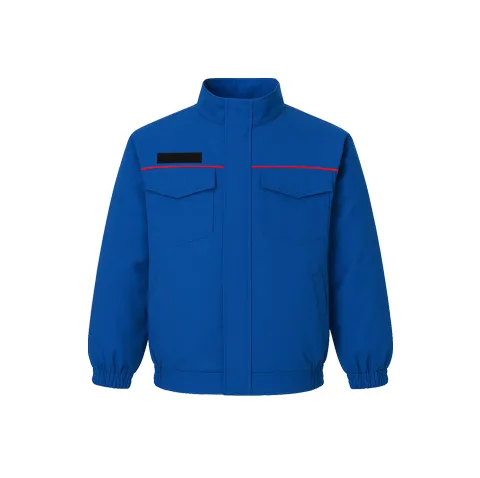
✔ Arc Flash Jackets & Pants
Modular options for flexibility and comfort — great when tasks vary or layering is preferred.
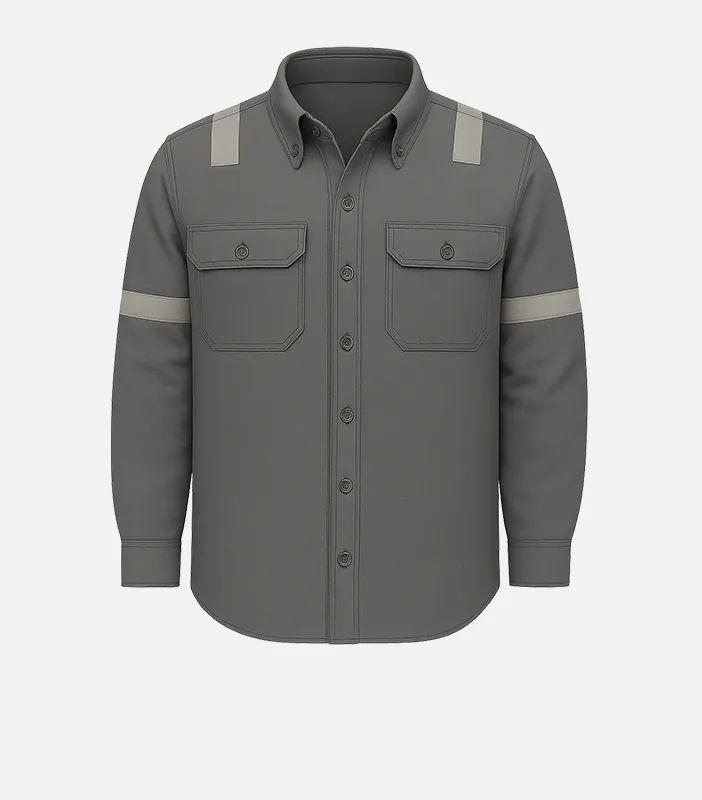
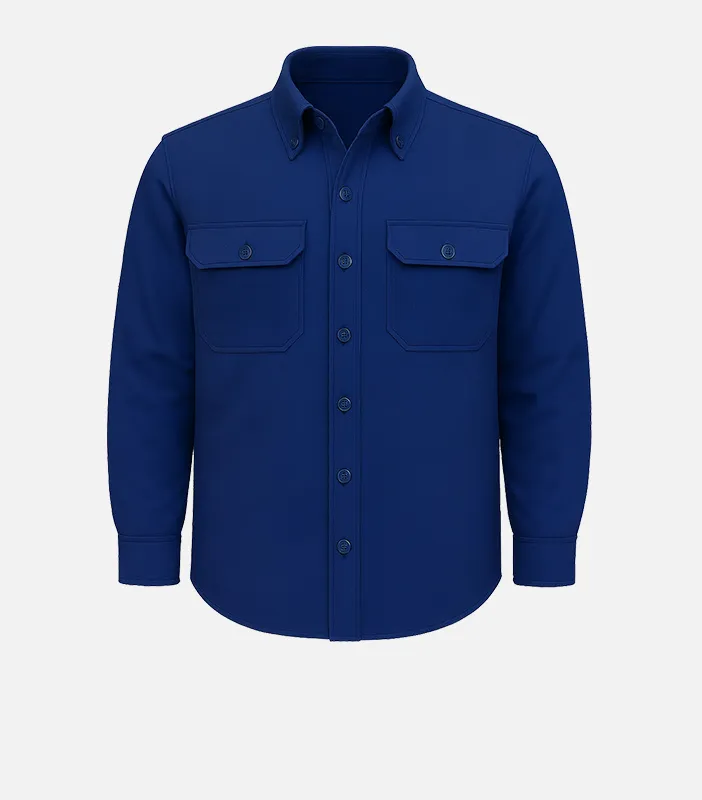
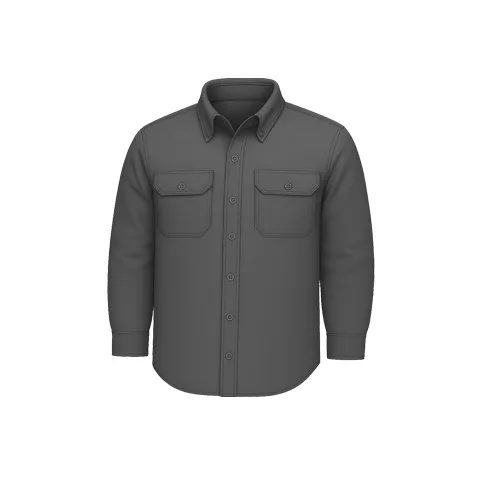
✔ Arc Flash Shirts & Pants
Lighter options for lower incident energy tasks while still delivering thermal protection.
Each style offers different benefits — match them to the nature and frequency of electrical work your teams perform.
Arc flash PPE should not only be arc-rated — it should work with other essential protections when needed:
Flame resistance: ensures fabric self-extinguishes
Anti-static properties: reduces electrostatic risks in flammable work environments
High visibility: improves worker safety in low-light conditions
Combined protective features help reduce overall risk and improve compliance.
Ensure arc-rated clothing meets recognized safety standards. These standards define performance requirements and help you compare products reliably:
Arc flash test methods and performance criteria
Flame resistance benchmarks
Industrial laundering durability requirements
Standards help validate claims and ensure garments perform as expected in real work conditions.
Arc-rated clothing should withstand daily wear and industrial laundering without losing protective capabilities. When selecting products, consider:
Wash durability and fabric strength
Shrinkage control to maintain fit
Color fastness for visibility and team identity
Proper care extends garment life and protects your investment. Always follow recommended washing and maintenance guidelines.
Protective clothing must be worn properly to protect effectively. Look for arc-rated garments that offer:
Comfortable fit and flexibility
Breathable fabrics
Features that support movement and tool access
Comfort drives compliance. Workers are far more likely to wear PPE consistently when it feels wearable and practical.
When purchasing arc-rated clothing, remember to:
Use arc flash hazard assessment results to determine required arc rating
Match garment type to job tasks and duration
Verify compliance with recognized safety standards
Evaluate durability, fit, and maintenance requirements
Train workers on proper wear and care
This structured process helps safety managers make informed buying decisions that elevate workplace safety and confidence.