English
Working in high-temperature environments is already challenging. When protective clothing is added, the risk of heat stress increases significantly. For workers in industries such as oil & gas, electrical utilities, and heavy manufacturing, balancing protection and comfort is essential.
Modern breathable flame-resistant (FR) workwear is designed to address this challenge—helping workers stay protected while maintaining comfort during long shifts.
Heat stress occurs when the body cannot effectively regulate its temperature due to heat exposure and limited airflow.
Common symptoms include:
Excessive sweating
Fatigue and reduced concentration
Dizziness or dehydration
Increased risk of accidents
In industrial environments, heat stress can reduce productivity and compromise safety.
Conventional protective clothing often traps heat and moisture, especially in hot or humid conditions.
Key issues include:
Poor air circulation
Heavy fabric construction
Limited moisture evaporation
Restricted movement
When heat builds up inside the garment, workers may experience discomfort and fatigue more quickly.
Breathable FR workwear is engineered to improve airflow and moisture management without compromising protection.
Key benefits include:
Enhanced air circulation to release body heat
Moisture-wicking properties for sweat evaporation
Lightweight fabric construction
Reduced heat buildup inside the garment
This helps workers stay cooler, more focused, and more productive.
The performance of breathable FR clothing depends largely on fabric design.
Modern FR fabrics often feature:
Optimized fiber blends for airflow
Balanced fabric density for protection and ventilation
Soft hand feel for comfort during extended wear
Both inherent FR fabrics and advanced treated fabrics can be engineered for improved breathability.
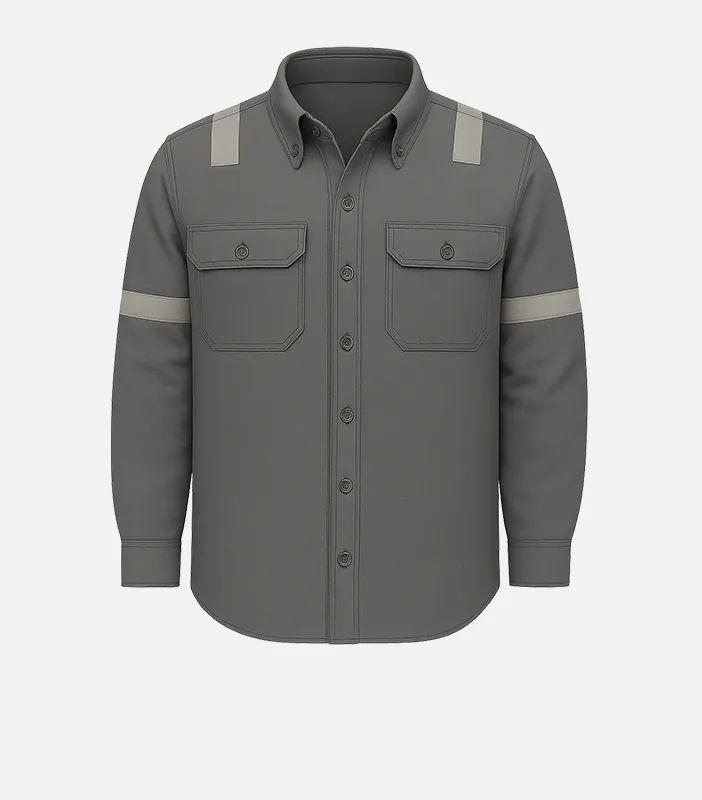
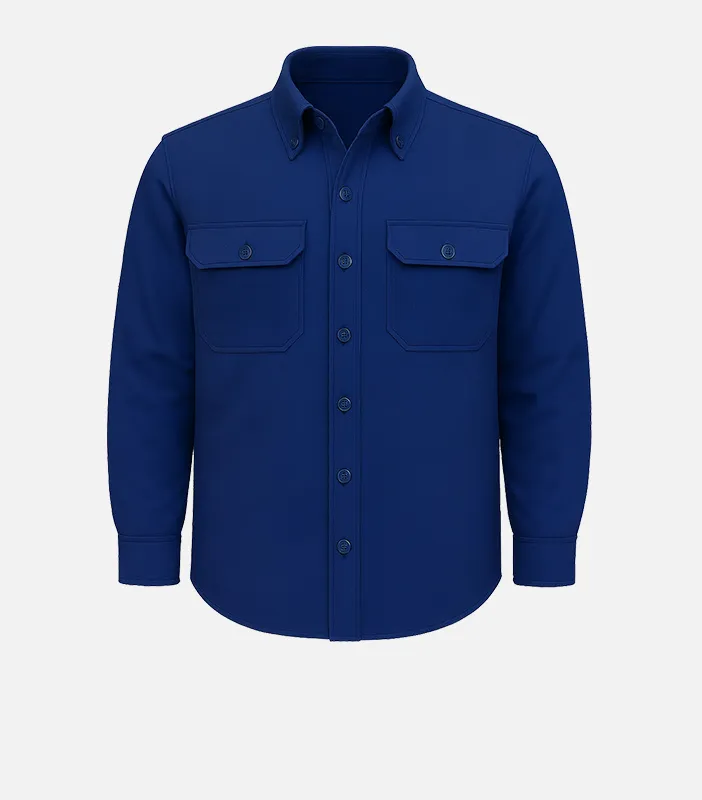
In addition to fabric, garment design plays a key role in reducing heat stress.
Important features include:
Ergonomic fit for better mobility
Ventilation zones in high-heat areas
Lightweight construction
Flexible patterns for ease of movement
These design elements support long working hours in demanding environments.
Breathable FR workwear is especially important in:
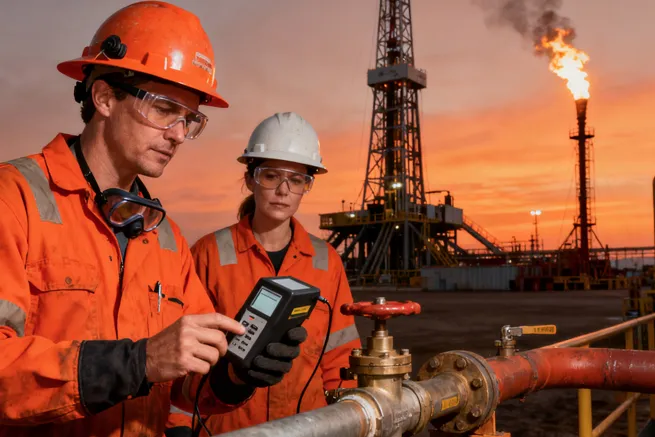
Oil & gas operations in hot climates
Electrical maintenance in outdoor environments
Construction and infrastructure projects
Manufacturing facilities with high ambient temperatures
In these sectors, improving comfort directly impacts safety performance.
To maintain breathability and performance:
Wash garments regularly to remove contaminants
Avoid fabric softeners that may affect moisture transfer
Follow recommended washing guidelines
Replace garments when fabric performance declines
Proper care ensures consistent comfort and protection.
Reducing heat stress is a critical part of workplace safety. By choosing breathable FR workwear, companies can protect workers from thermal hazards while improving comfort and productivity.
In demanding environments, the right balance between protection and breathability makes a measurable difference.