English
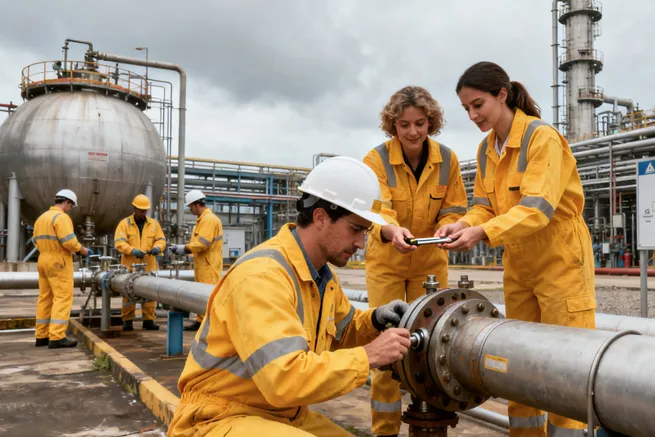
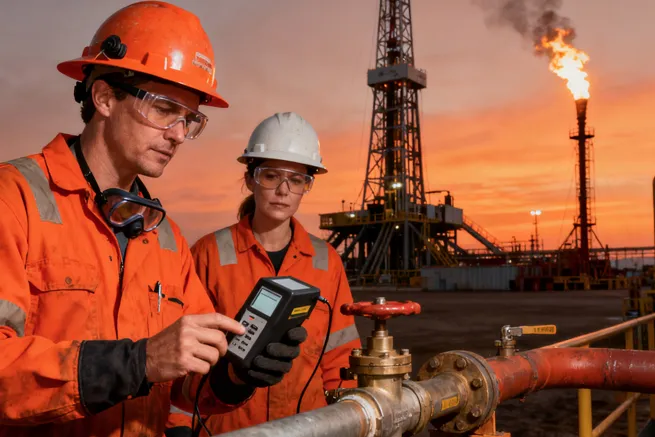
Flame-resistant (FR) workwear is a cornerstone of industrial safety programs, especially in high-risk environments like oil & gas, electrical maintenance, petrochemical, and fabrication. Choosing the right FR standards ensures that protective clothing does what it’s designed to do — protect workers from heat, flame, and fire hazards.
This guide breaks down key FR standards and what safety managers need to know when specifying protective workwear.
FR standards exist to define and verify performance. They help answer:
Can the garment resist ignition?
Will it self-extinguish once the heat source is removed?
Does it protect against specific heat exposures?
These standards are the foundation of reliable flame-resistant workwear.
EN ISO 11612
One of the most widely accepted global standards for FR clothing. It defines performance criteria for resistance to flame and heat, including limited flame spread and various heat exposures.
NFPA 2112
A widely recognized North American standard for flash fire protection. It establishes minimum performance requirements and test methods for FR garments designed to protect workers from brief but intense fire exposure.
Safety managers should always confirm that selected garments meet one or both of these standards depending on regional compliance needs and workplace risks.
A garment labeled “flame-resistant” isn’t enough on its own. What matters most is which standard it meets. Properly certified FR clothing provides documented performance based on real hazard conditions.
Always request compliance documentation when evaluating products — this builds confidence in protection and supports safety audits.
FR standards often work alongside other performance requirements such as:
Industrial laundering durability
Shrinkage control
Color fastness and high-visibility performance
Arc flash compliance when combined hazards exist
Understanding how these standards interact helps safety managers choose multi-hazard protective solutions that deliver real performance without compromise.
How FR workwear is maintained affects how well it continues to meet safety standards. Proper industrial laundering, avoiding bleach and fabric softeners, and regular inspection help preserve protective properties over time. This ensures that garments continue to offer reliable defense after repeated use.
Flame-resistant standards are more than just acronyms — they define real safety performance that protects workers from thermal hazards. By understanding key FR standards, safety managers can confidently specify the right protective workwear and build stronger, more compliant safety programs.