English
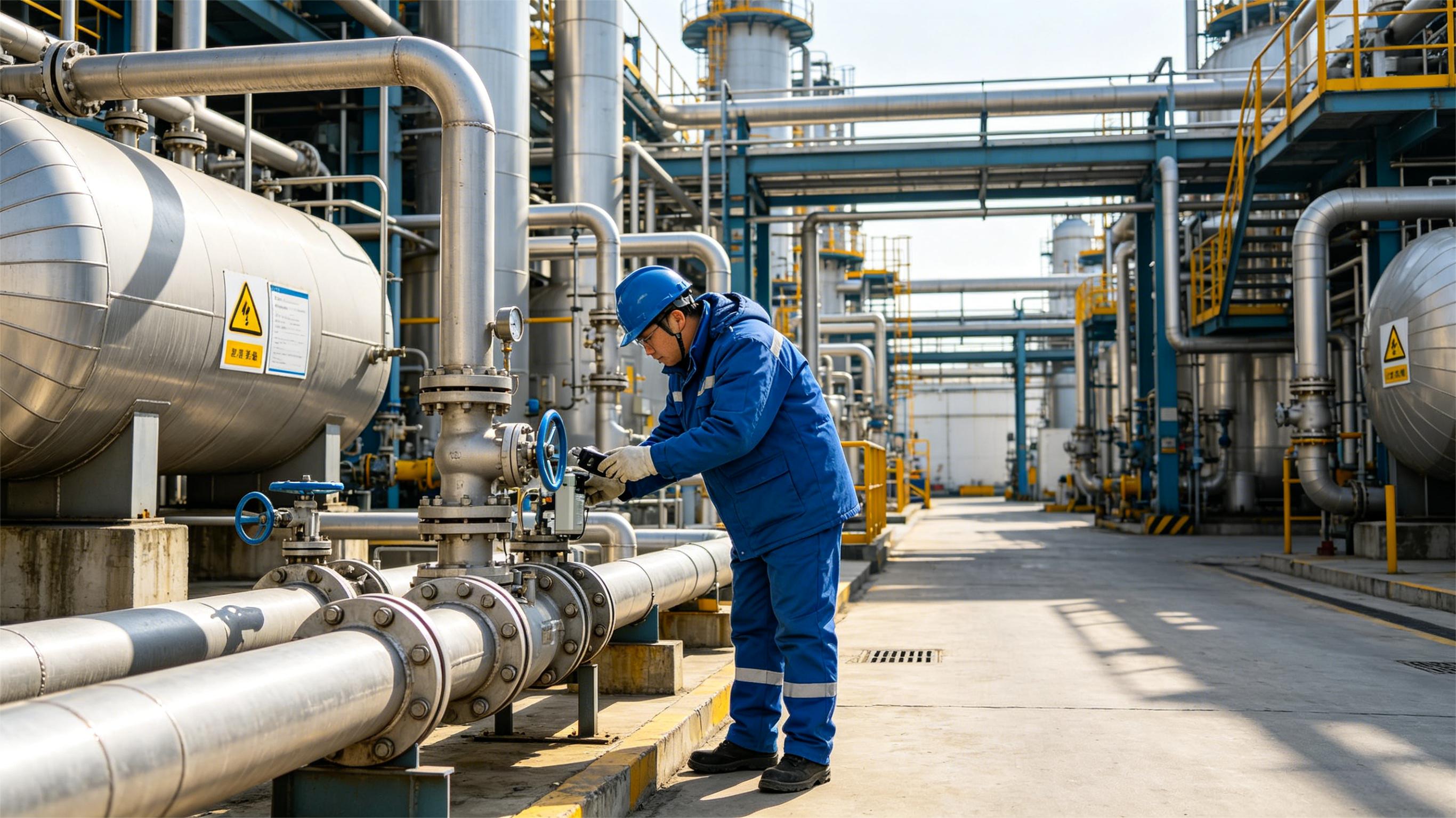
Choosing the right fabric is one of the most important decisions when developing flame resistant workwear. The fabric affects not only protection, but also comfort, durability, wash performance, and long-term cost.
Workers in oil and gas, welding, chemical processing, power utilities, metal fabrication, and manufacturing may face different levels of heat, flame, arc flash, or molten splash hazards. A fabric that works well for general factory use may not be suitable for high-risk welding or electrical environments.
FR fabrics are generally divided into two categories: treated flame resistant fabrics and inherently flame resistant fabrics.
Treated fabrics achieve flame resistance through special finishing processes applied to cotton or blended materials. Inherent fabrics use fibers that are flame resistant by nature, so the protection is built into the fiber structure.
Both options can be suitable, but they are not designed for the same level of risk.
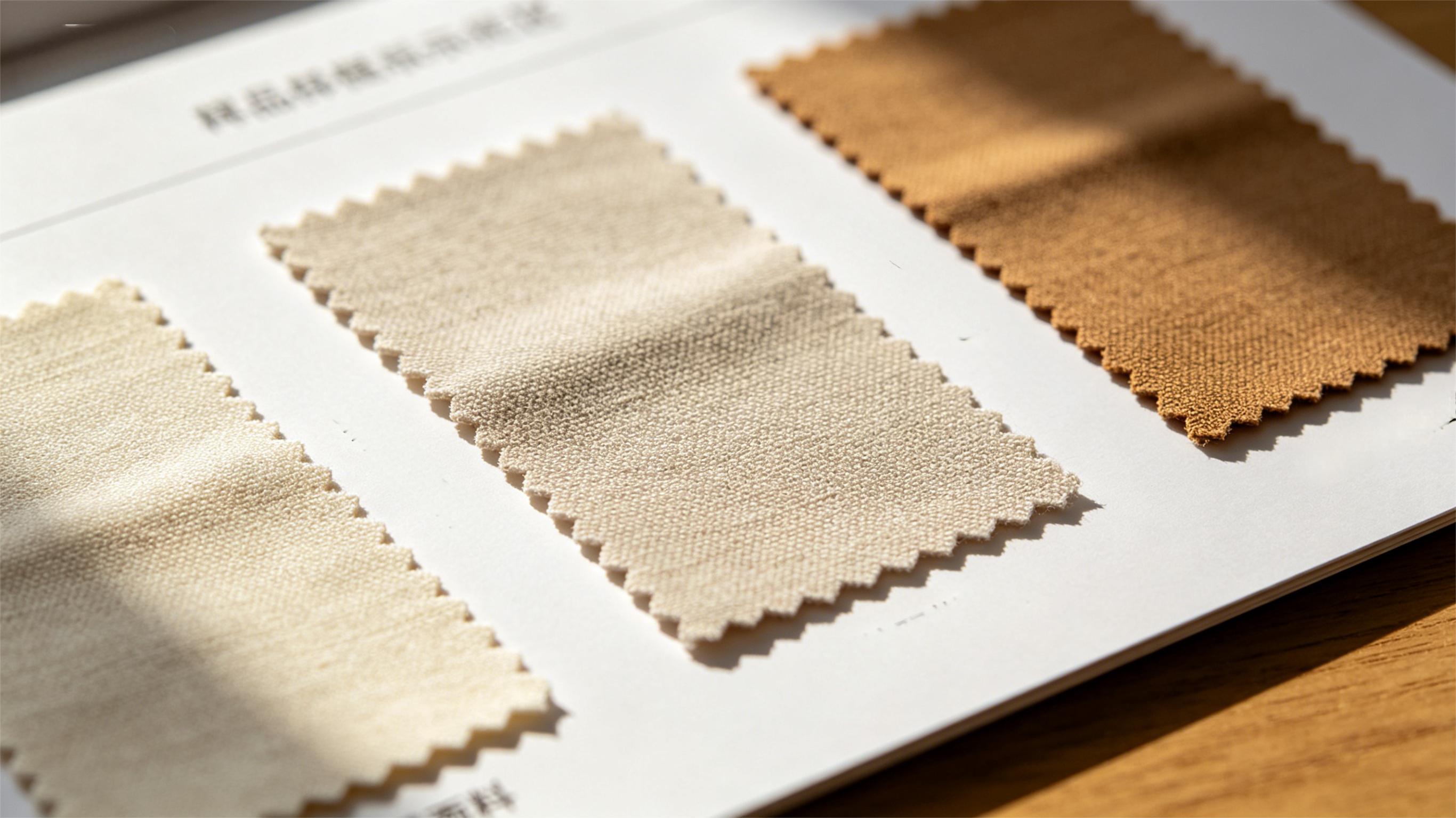
FR cotton is one of the most widely used fabrics for industrial protective clothing. It starts with cotton fabric and receives a flame-retardant treatment to help reduce ignition and flame spread.
Its biggest advantage is comfort. Cotton feels soft, breathes well, and absorbs moisture, making it suitable for workers who wear protective garments for long shifts.
Typical advantages include:
Comfortable hand feel
Good breathability
Lower cost compared with technical fibers
Suitable for general industrial use
However, treated cotton also has limitations. Its protection and durability depend on the treatment quality, laundering method, and fabric construction. After repeated washing or improper care, performance may decline. It may also offer lower tear strength than some synthetic or aramid-based fabrics.
FR cotton is generally better suited to low-to-moderate flame risk environments rather than extreme heat or severe arc flash hazards.
Blended FR fabrics are often used when buyers need a balance between comfort, durability, and cost. These fabrics may combine cotton with polyester, modacrylic, or other fibers, depending on the required performance.
Cotton-polyester FR blends are common in industrial workwear because they can improve wear resistance, reduce shrinkage, and maintain a more stable appearance after washing compared with pure cotton.
Some lightweight blends are also used for hot climates or physically demanding work, where breathability and mobility are important.
Typical advantages include:
Better durability than pure cotton
Improved shape retention
Good balance of comfort and protection
Suitable for bulk industrial workwear programs
The final performance depends heavily on the fiber composition, fabric weight, and finishing technology. For this reason, test reports and wash performance data should always be reviewed before bulk purchasing.
Aramid fabrics are commonly used in higher-risk protective clothing. Unlike treated fabrics, aramid fibers are inherently flame resistant, meaning the protective property is built into the fiber and does not rely on a surface treatment.
Aramid materials are often selected for demanding environments involving intense heat, arc flash exposure, molten metal splash, or heavy-duty industrial use.
Typical advantages include:
Inherent flame resistance
Strong heat resistance
Good strength and durability
No melting or dripping when exposed to flame
Suitable for higher-risk applications
The main limitation is cost. Aramid fabrics are usually more expensive than treated cotton or standard FR blends. They may also feel less soft than cotton-based materials, depending on the fabric structure and garment design.
For high-risk jobs, however, the added protection and durability often justify the investment.
Some applications require more specific fabric solutions.
Modacrylic blends are often used where lightweight comfort, flame resistance, and flexibility are needed. They are common in garments that need to balance protection and everyday wearability.
FR polyester or coated synthetic materials may be used for outerwear, rainwear, or cold-weather garments, depending on the certification and garment design. However, buyers should confirm that the fabric and garment system meet the required safety standard, as not all synthetic materials are suitable for flame hazard environments.
Fabric Type | Main Strengths | Limitations | Suitable Applications |
FR Cotton | Soft, breathable, cost-effective | Requires proper care; lower durability than technical fibers | General factory work, low-to-moderate flame risk |
FR Blended Fabric | Balanced comfort, durability, and cost | Performance depends on blend and treatment | Welding, oilfield work, chemical plants, construction |
Aramid Fabric | Inherent protection, strong heat resistance, durable | Higher cost; may feel less soft | Arc flash, heavy welding, molten metal, petrochemical operations |
Modacrylic Blend | Lightweight, flexible, good daily comfort | May require specific fabric engineering for high-risk tasks | Utility workwear, industrial uniforms, multi-hazard garments |
General Indoor Industrial Work
For low-risk factory operations, light maintenance, and general workshop use, FR cotton can be a practical choice. It offers comfort and reasonable protection at a lower cost.
Regular Industrial Operations
For daily oilfield work, general welding, construction, and chemical plant maintenance, FR blended fabrics are often more suitable. They provide better durability than pure cotton while maintaining acceptable comfort for long shifts.
High-Risk Heat, Flame, or Arc Flash Tasks
For heavy welding, power substations, molten metal processing, or high-temperature petrochemical work, aramid fabrics or certified high-performance blends should be considered. In these environments, fabric selection should be based on hazard assessment and applicable safety standards.
Hot and Humid Environments
For tropical regions or summer outdoor operations, lightweight FR cotton or thin FR blends may help reduce heat stress. Breathability and garment design are especially important in these conditions.
Cold Outdoor Work
For winter oilfield work, outdoor maintenance, and low-temperature industrial sites, FR blended fabrics can be combined with insulated liners or outer shells to provide warmth without compromising protective performance.
Before confirming FR workwear fabric, buyers should consider the following points:
Applicable safety standards, such as EN ISO 11612, NFPA 2112, ASTM F1506, or IEC 61482
Fabric composition and weight
Wash durability and care requirements
Tear strength and abrasion resistance
Comfort in the actual working climate
Compatibility of trims, reflective tape, lining, and sewing thread
Third-party test reports and certification documents
For bulk custom workwear, it is also important to confirm whether the same fabric can be supplied consistently for repeat orders.
There is no single best fabric for all flame resistant workwear. The right choice depends on the workplace risk, climate, comfort requirements, washing conditions, and budget.
FR cotton is suitable for lower-risk applications where comfort and cost matter most. FR blended fabrics offer a practical balance for many industrial users. Aramid fabrics are better suited to high-risk environments where long-term protection and durability are the priority.
When developing custom FR workwear, buyers should first define the hazards clearly, then select fabric based on verified performance rather than appearance or price alone.
DOMEX focuses on the design and innovation of specialized protective apparel, with deep expertise in core safety technologies such as flame resistance and anti-static protection. We provide safe and reliable professional protective solutions for the industrial, electrical, oil, and chemical sectors, and are committed to becoming a globally trusted protective brand.