English
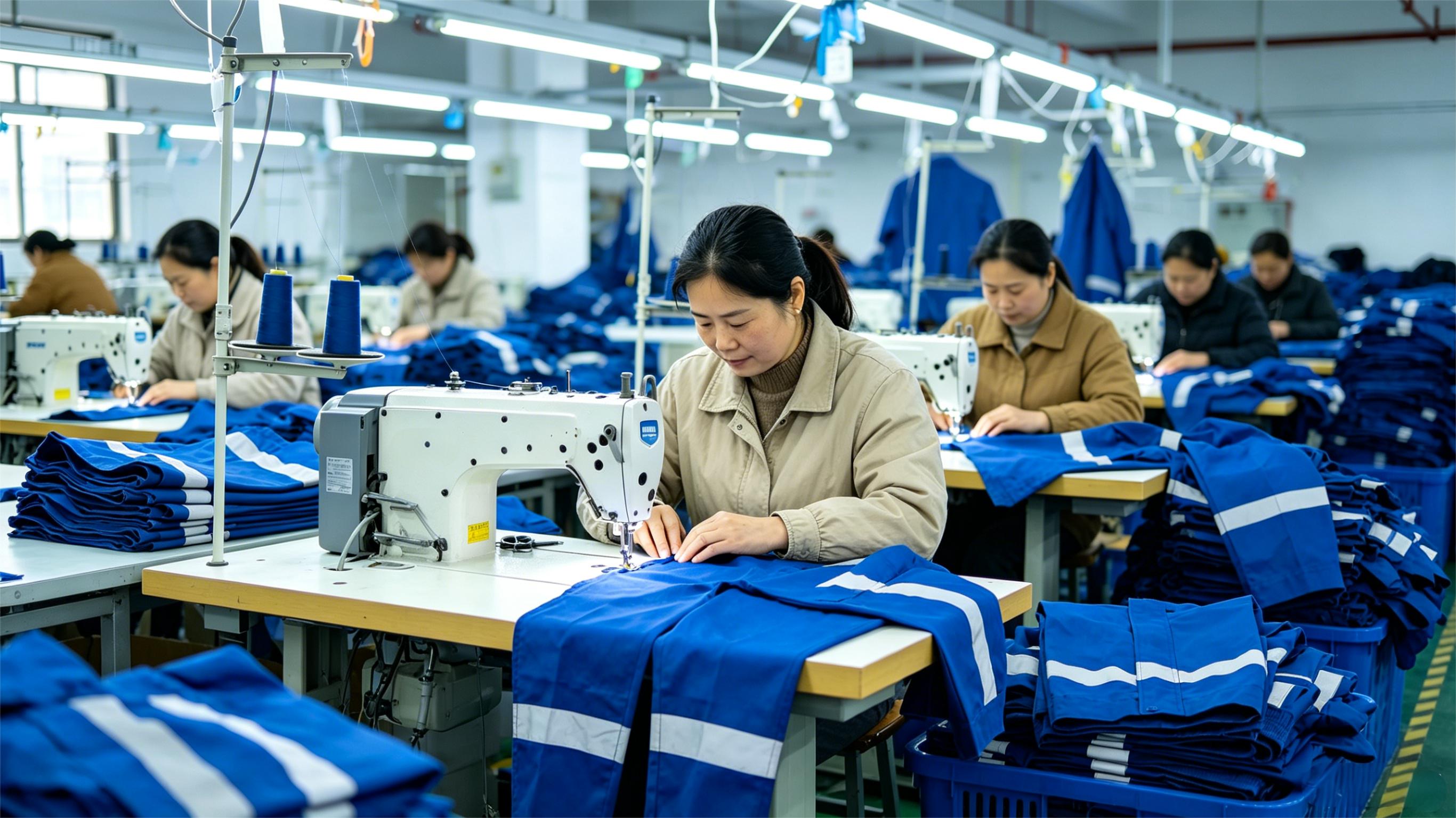
China remains one of the main sourcing destinations for custom workwear. For distributors, industrial buyers, and corporate procurement teams, Chinese manufacturers can offer flexible customization, competitive pricing, and a wide range of fabric and garment options.
However, ordering bulk workwear from overseas is not only about finding the lowest price. Buyers need to confirm fabric quality, functional performance, sizing, certifications, sampling, production control, and shipping arrangements before placing an order.
This guide explains the basic process of ordering custom workwear from a China manufacturer, from inquiry and sampling to production and delivery.
A good order starts with a clear inquiry. The more specific your requirements are, the easier it is for the supplier to quote accurately and avoid misunderstandings later.
Before contacting a manufacturer, prepare the following information:
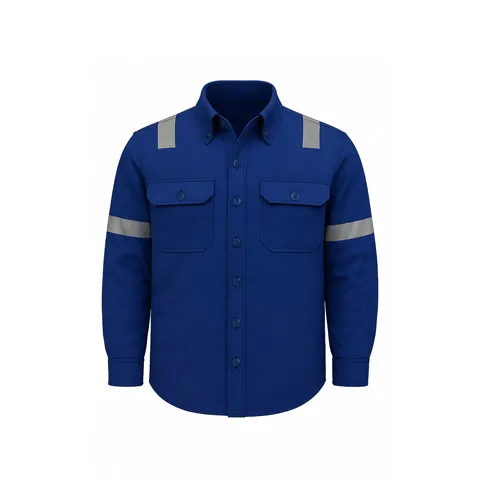
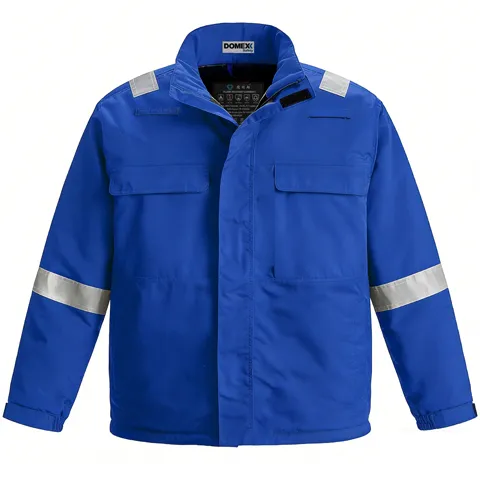
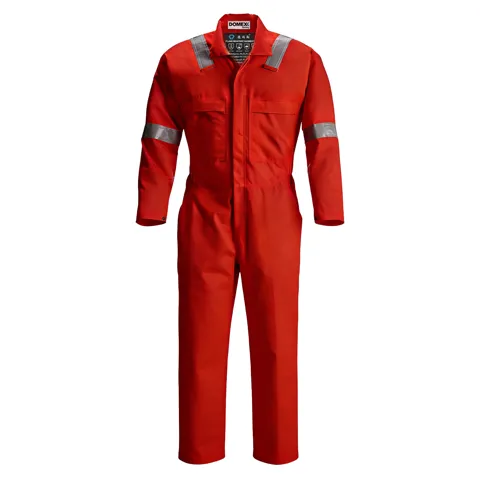
Garment type, such as coveralls, jackets, trousers, shirts, or factory uniforms
Order quantity and size range
Target market, such as Europe, North America, the Middle East, or Southeast Asia
Fabric type, fabric weight, and color requirements
Functional needs, such as flame resistance, anti-static performance, acid and alkali resistance, or reflective tape
Logo position and application method
Label, packing, and branding requirements
Required standards or test reports
For protective workwear, standards are especially important. For example, flame resistant garments may need EN ISO 11612 or NFPA 2112, while anti-static clothing may need EN 1149 or GB 12014. If the product is intended for a regulated market, certification should be discussed from the beginning.
Not every supplier listed online is a direct factory. Some are trading companies, and some may only handle simple uniforms rather than technical workwear.
When evaluating a supplier, buyers should look at:
Factory background and production capacity
Experience with similar products
Fabric sourcing abilit
Quality control process
Export experienc
Communication efficiency
Ability to provide test reports and technical documents
For functional workwear, it is also useful to ask for photos of previous products, sample reports, and details of the production process. A reliable supplier should be able to explain fabric performance, garment construction, and compliance requirements clearly.
Sampling is one of the most important steps in custom workwear orders. It allows both sides to confirm the design, fabric, size, workmanship, and functional details before mass production begins.
There are usually two types of samples:
Prototype sample for design and fit confirmation
Pre-production sample for final approval before bulk manufacturing
When checking samples, pay attention to:
Overall fit and size accuracy
Fabric hand feel and weight
Color matching
Logo position and quality
Stitching and seam strength
Zipper, button, and pocket construction
Reflective tape placement if required
Functional performance for safety garments
For industrial or protective workwear, buyers should not rely only on visual inspection. If the garment requires flame resistance, anti-static performance, or acid and alkali resistance, relevant test data or laboratory reports should be reviewed.
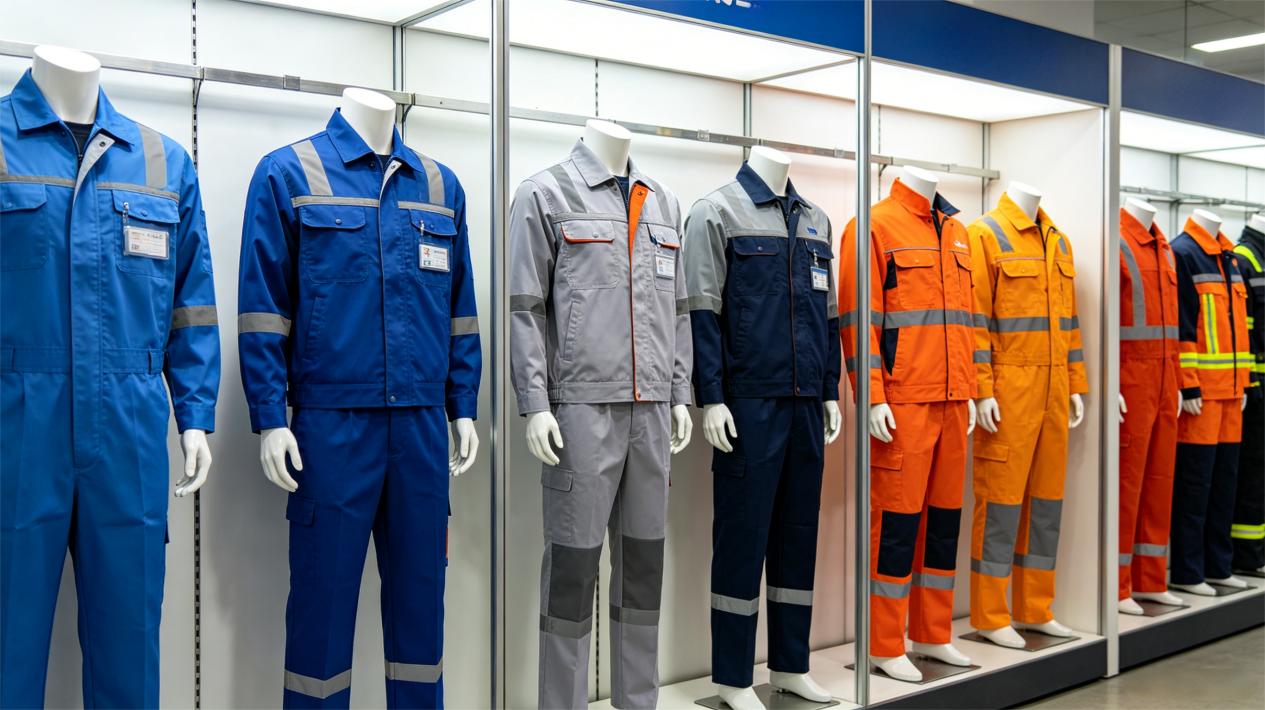
Fabric selection directly affects comfort, durability, and protection. A low unit price may not be cost-effective if the fabric shrinks, fades, tears easily, or fails to meet the required standard.
Common fabric considerations include:
Cotton or polyester-cotton blends for general workwear
Flame resistant cotton or modacrylic blends for FR garments
Conductive fiber fabrics for anti-static clothing
Coated or treated fabrics for acid and alkali resistant workwear
High visibility fabrics with certified reflective materials
For safety workwear, buyers should also confirm whether the fabric performance remains stable after washing. This is especially important for anti-static and flame resistant garments.
Once the sample is approved, all production details should be written clearly in the contract or proforma invoice.
Important items include:
Product name and style number
Fabric composition and weight
Color and size breakdown
Quantity
Unit price and total amount
Logo and label details
Packing method
Delivery date
Quality standard
Payment terms
Responsibility for inspection and shipping
For custom orders, the approved sample should be treated as the production reference. This helps reduce disputes if there are differences during final inspection.
For overseas orders, correct documentation is essential for customs clearance.
Common export documents include:
Commercial invoice
Packing list
Bill of lading or airway bill
Certificate of origin if required
Test reports or compliance documents
Product labels and care instructions
Buyers can choose different shipping methods depending on urgency and order size.
Sea freight is more cost-effective for bulk orders, while air freight or express delivery is more suitable for samples or urgent shipments. For buyers who want a simpler process, DDP shipping may be considered, but the cost and responsibility should be clearly confirmed in advance.
After the goods arrive, buyers should check the cartons against the packing list and inspect a reasonable sample quantity.
Key points include:
Carton quantity
Size breakdown
Product color
Logo and labels
Sewing quality
Fabric condition
Packaging
If defects are found, take photos and videos immediately and inform the supplier within the agreed claim period.
Ordering bulk custom workwear from China can be efficient and cost-effective when the process is managed properly. The key is to work with a manufacturer that understands fabric performance, garment construction, compliance requirements, and export documentation.
A successful order depends on clear communication, sample confirmation, production monitoring, and final inspection.
Whether you are sourcing industrial uniforms, flame resistant coveralls, anti-static workwear, or acid and alkali resistant garments, choosing the right manufacturing partner will help ensure stable quality, smoother delivery, and better long-term cooperation.
DOMEX focuses on the design and innovation of specialized protective apparel, with deep expertise in core safety technologies such as flame resistance and anti-static protection. We provide safe and reliable professional protective solutions for the industrial, electrical, oil, and chemical sectors, and are committed to becoming a globally trusted protective brand.