English
Selecting flame-resistant (FR) workwear is not just a purchasing decision — it’s a safety responsibility. The right FR garments can significantly reduce burn injuries, support compliance, and improve worker confidence. The wrong choice can leave employees exposed to serious risk.
This guide walks you through how to select flame-resistant workwear for your company, step by step, with a focus on real industrial conditions and long-term performance.
STEP 1: IDENTIFY YOUR ACTUAL WORKPLACE HAZARDS
Start with a clear understanding of the risks your workers face. Flame-resistant workwear should match real exposure, not assumptions.
Common hazards include:
Flash fire and open flame
Radiant and convective heat
Electrical arc flash
Static electricity in explosive atmospheres
Outdoor exposure (sunlight, low visibility, weather)
Key rule:
If multiple hazards exist, select multi-hazard protective clothing, not single-purpose garments.
STEP 2: CONFIRM REQUIRED STANDARDS & COMPLIANCE
Standards verify that FR workwear performs as intended. Always match garments to the standards required by your industry and region.
Key standards to consider include:
EN ISO 11612 – Protection against flame and heat
ASTM F1506 – Flame-resistant fabrics for electrical use
IEC / EN 61482 – Arc flash protective clothing
EN 1149-5 – Anti-static performance
NFPA 70E – Electrical safety and PPE guidance
Do not rely on marketing claims alone — certified compliance matters.
STEP 3: DETERMINE IF ARC FLASH PROTECTION IS REQUIRED
If your teams work on or near energized electrical equipment, flame resistance alone may not be sufficient.
Ask:
Is there a documented arc flash risk assessment?
Are workers exposed to energized panels, switchgear, or live circuits?
If yes, select arc-rated FR workwear with an appropriate arc rating (cal/cm²) matched to the hazard level.
STEP 4: CHOOSE THE RIGHT GARMENT TYPE
Different tasks require different garment configurations:
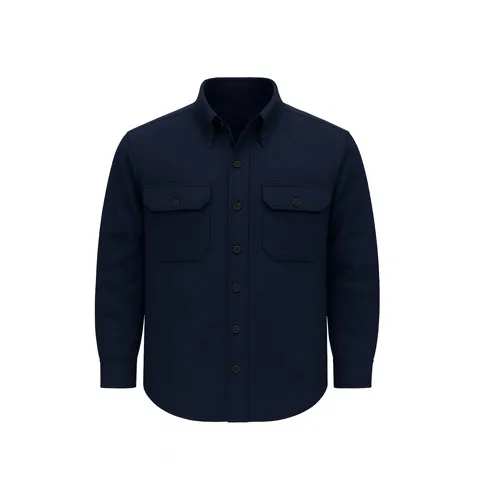
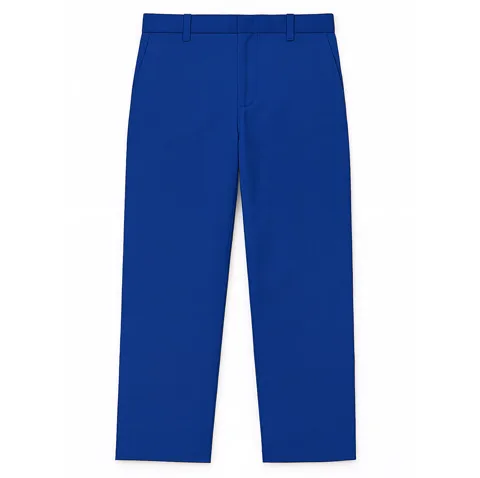
FR shirts & pants – Flexible protection for routine tasks
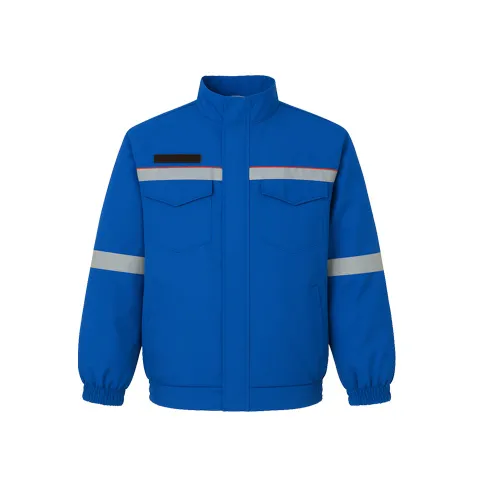
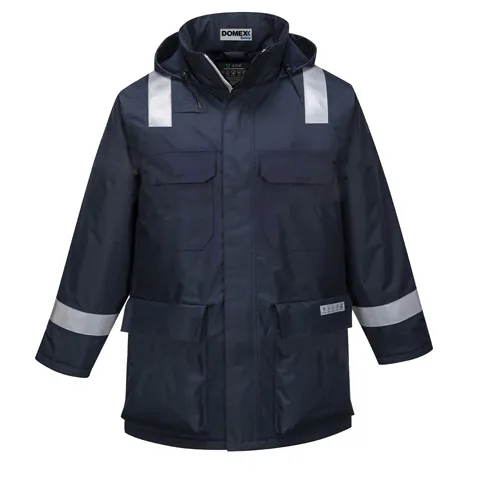
FR jackets – Added protection for higher-risk work
FR coveralls – Full-body coverage for complex or unpredictable environments
Selecting the right combination improves safety while maintaining comfort and productivity.
STEP 5: CONSIDER ADDITIONAL PROTECTION REQUIREMENTS
Modern worksites rarely involve only one hazard. Consider whether your FR workwear also needs:
Anti-static protection for explosive atmospheres
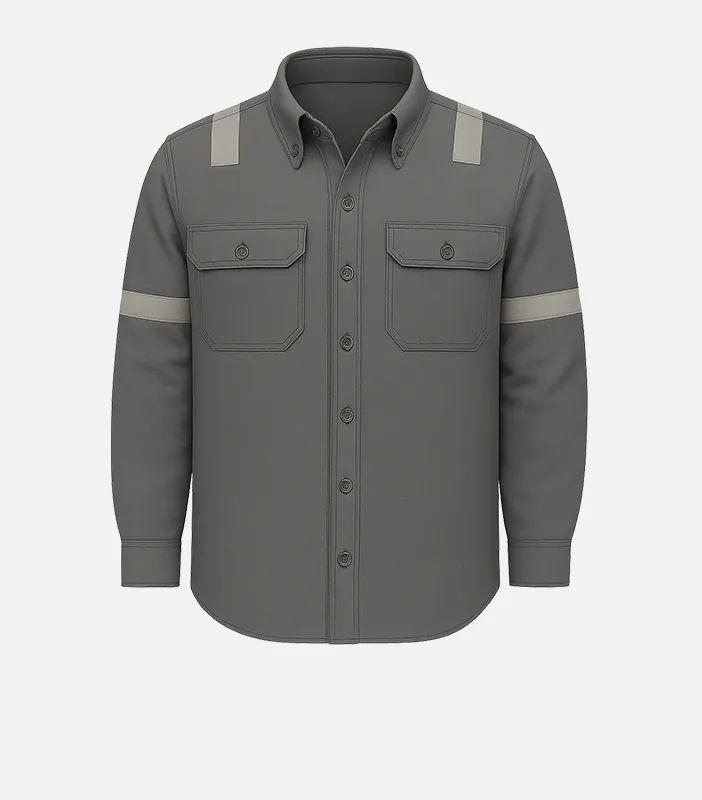
High-visibility features for traffic or low-light environments
UV protection for outdoor operations
Integrated multi-hazard garments reduce complexity and improve compliance.
STEP 6: EVALUATE DURABILITY & INDUSTRIAL LAUNDERING PERFORMANCE
FR performance must last beyond the first wash.
When evaluating garments, ask:
Are fabrics tested for industrial laundering durability?
Is shrinkage controlled after repeated washing?
Do colors and reflective elements maintain performance over time?
Garments designed for industrial washing and long service life reduce replacement costs and maintain protection.
STEP 7: PRIORITIZE FIT, COMFORT & WEAR COMPLIANCE
Protective clothing only works when worn correctly.
Look for:
Proper sizing and full coverage
Freedom of movement for task performance
Breathable, comfortable fabric construction
Comfort directly impacts worker compliance and safety outcomes.
STEP 8: PLAN FOR MAINTENANCE, INSPECTION & REPLACEMENT
FR workwear should be part of a managed safety system.
Best practices include:
Clear washing and care instructions
Regular garment inspection
Defined replacement criteria for damaged or worn PPE
A structured approach ensures consistent protection over time.
Selecting flame-resistant workwear for your company requires more than choosing a fabric or style. It involves understanding hazards, verifying standards, evaluating durability, and ensuring worker comfort. When chosen correctly, FR workwear becomes a powerful tool in reducing risk, supporting compliance, and protecting lives.
The right decision today can prevent serious injury tomorrow.