English
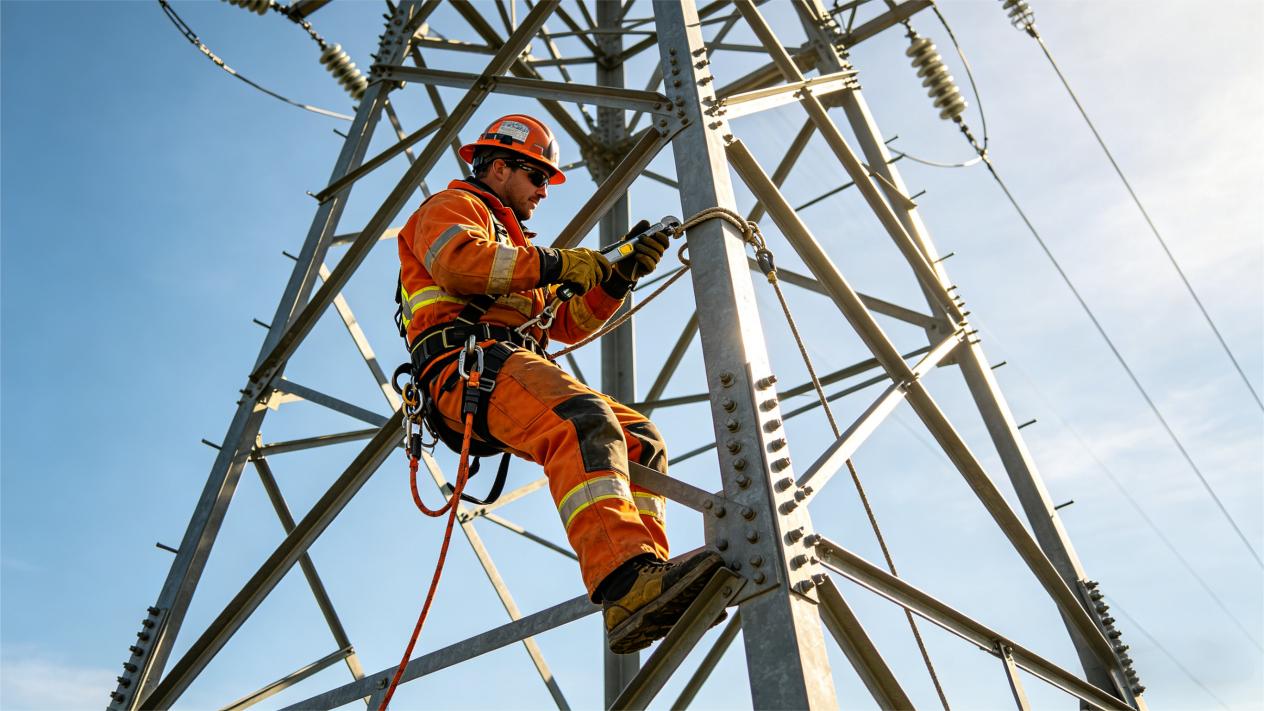
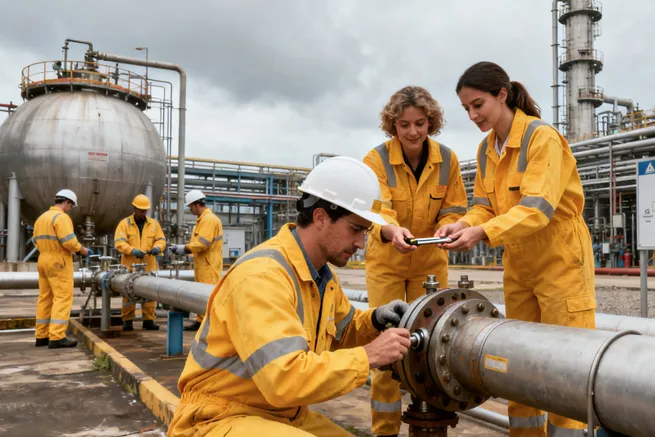
Electrical work comes with serious risks, and arc flash is one of the most dangerous hazards workers can face. In just a fraction of a second, an arc flash can generate temperatures as high as 35,000°F (19,426°C), causing severe burns, permanent injuries, or even fatalities. That’s why Arc Rated (AR) clothing is more than just standard PPE — it plays a critical role in protecting workers exposed to electrical hazards. In this guide, we’ll break down what AR clothing is, how arc ratings work, how to choose the right protection, and how to properly maintain AR garments for long-term safety.
Arc Rated (AR) clothing shields workers from thermal energy released during arc flashes. Unlike standard Flame Resistant (FR) clothing, which only prevents ignition, AR garments are tested to withstand specific arc energy levels measured in calories per square centimeter (cal/cm²). Two key metrics define performance:
ATPV (Arc Thermal Performance Value): Maximum energy the fabric can absorb before causing second-degree burns.
EBT (Energy Breakopen Threshold): Energy level at which the fabric tears, exposing skin.
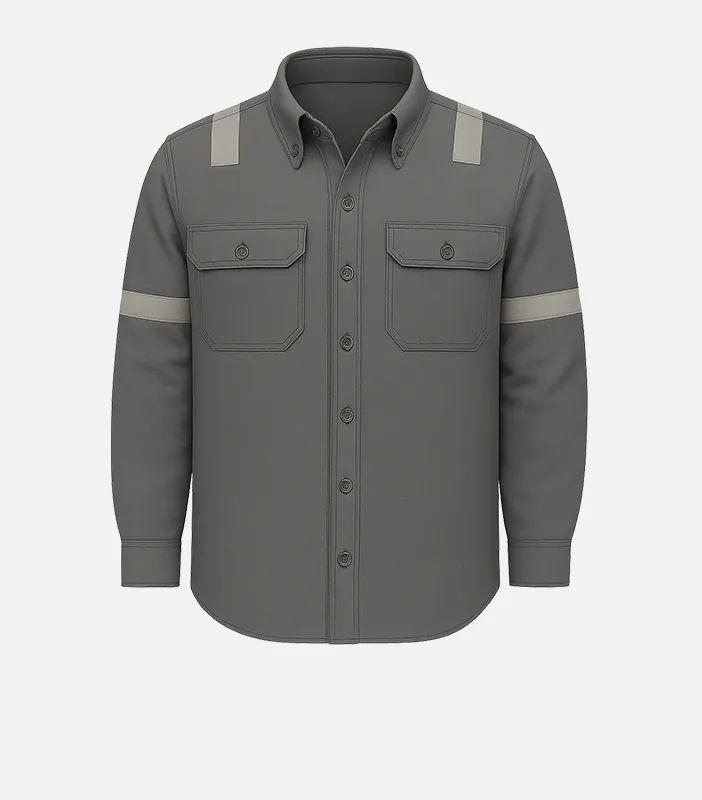
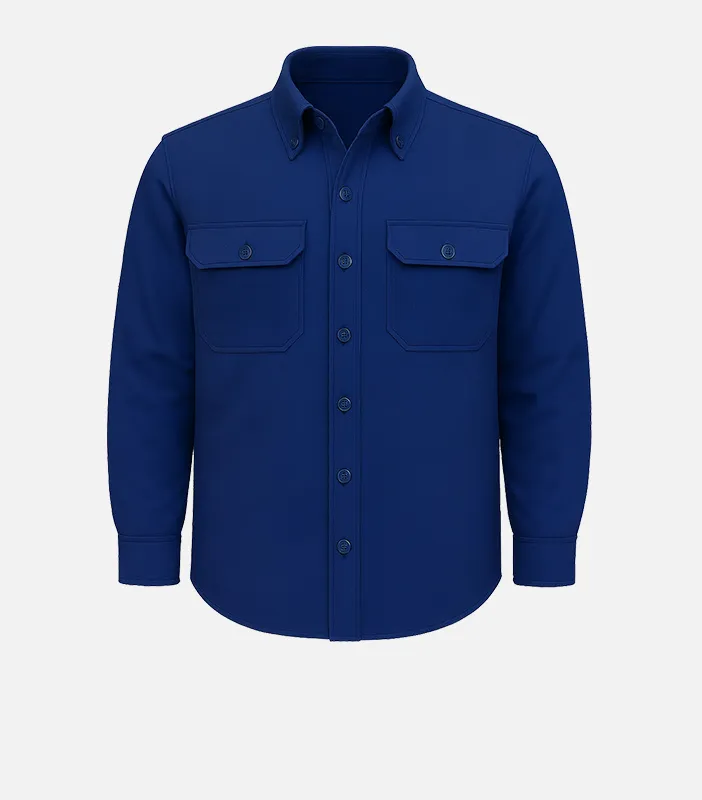
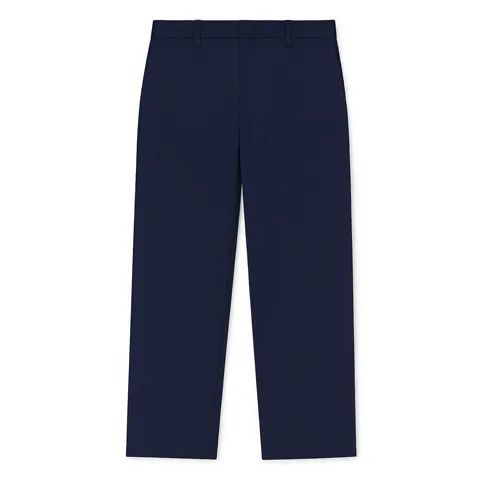
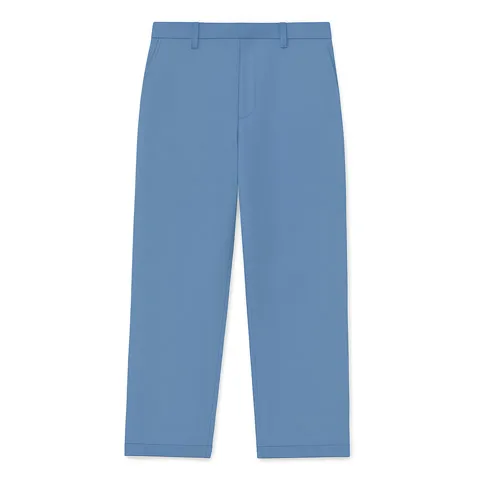
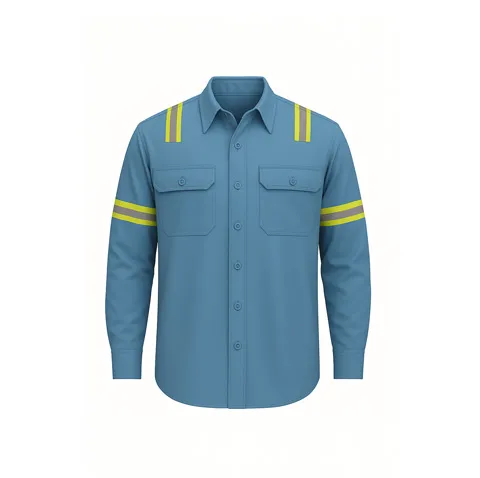
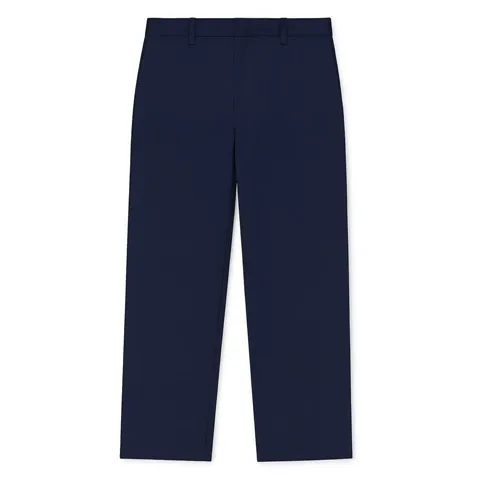
Key point: All AR clothing is inherently FR, but not all FR clothing is AR. AR garments are mandatory for anyone working near live electrical equipment, including linemen, substation technicians, and electricians. DOMEX’s AR line—including shirts, pants, and jackets—combines FR protection with precise arc resistance to meet global standards.
Arc flashes may occur due to faulty wiring, accidental contact with live parts, or environmental factors such as dust or moisture. Consequences include:
Third-degree burns
Permanent blindness or hearing loss
Secondary fires from ignited clothing
According to OSHA, the U.S. reports over 2,000 arc flash incidents annually, including 400 fatalities and 30,000 injuries. For electrical workers, properly rated AR clothing is essential—not just for compliance, but for survival.
ATPV Ratings (cal/cm²)
≥4 Low-risk: small panel troubleshooting
≥8 Medium-risk: 480V panels
≥20 High-risk: substation maintenance
≥40 Extreme-risk: high-voltage transmission lines
Hazard Risk Categories (HRC)
Mandated by OSHA/NFPA 70E, HRC defines the protection level needed:
HRC | ATPv Requirement | Typical Tasks |
1 | ≥4 cal/cm² | Basic electrical troubleshooting |
2 | ≥8 cal/cm² | 208–480V panel maintenance |
3 | ≥20 cal/cm² | Medium-voltage switchgear |
4 | ≥40 cal/cm² | High-voltage transmission lines |
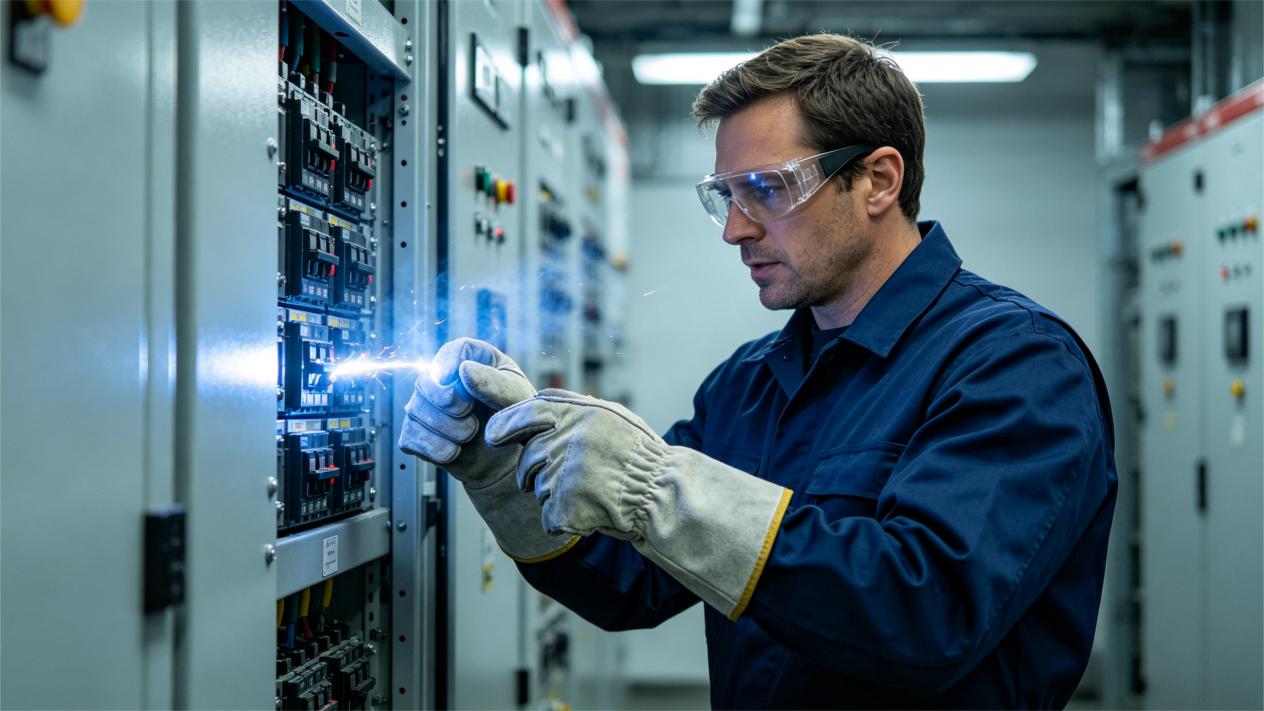
Match Rating to Hazard:
Conduct a NFPA 70E hazard assessment to determine maximum arc energy.
Examples:
12kV switchgear work (35 cal/cm² risk) → HRC 4, ATPv ≥40
208V panel maintenance → HRC 2, ATPv ≥8
Choose Inherently FR Fabrics:
Prefer inherently flame-resistant fibers (aramid, modacrylic) over chemically treated fabrics:
Inherently FR: Retains protection for the lifetime of the garment.
Chemically treated FR: Protection may degrade over time with washing and sunlight exposure.
Balance Protection & Comfort
Electrical work requires mobility. Look for:
Lightweight, moisture-wicking fabrics
Ergonomic designs (articulated knees, gusseted crotches)
Reinforced seams to avoid gaps in protection
Verify Global Compliance:
Ensure AR clothing meets relevant standards:
North America: NFPA 70E, NFPA 2112, UL
Europe: EN ISO 11612, EN 61482, CE
China: GB 8965.4-2022
Wash: Use mild detergent, cold water; avoid bleach or fabric softeners; air-dry or tumble-dry on low heat.
Inspect: Check for tears or fraying before each use; repair or replace damaged garments.
Store: Keep in a cool, dry place away from sunlight and chemicals.
Replace: After arc flash exposure or 5–7 years of regular use.
With over years in industrial safety, DOMEX offers:
Precision ATPV ratings: 8–40 cal/cm² for HRC 2–4
Inherently FR fabrics: Long-term reliability
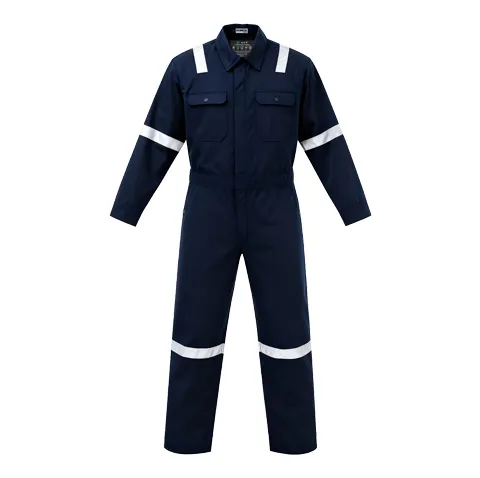
Utility-specific designs: Reflective strips, tool pockets, reinforced knees
Global certification: NFPA, CE, UL, NR10,GB
Customization: Private label, logo embroidery, sizing options
Arc rated clothing is a non-negotiable investment in electrical worker safety. By matching ratings to hazards, choosing high-quality fabrics, and following proper care guidelines, you can ensure compliance and worker protection.
DOMEX focuses on the design and innovation of specialized protective apparel, with deep expertise in core safety technologies such as flame resistance and anti-static protection. We provide safe and reliable professional protective solutions for the industrial, electrical, oil, and chemical sectors, and are committed to becoming a globally trusted protective brand.