English
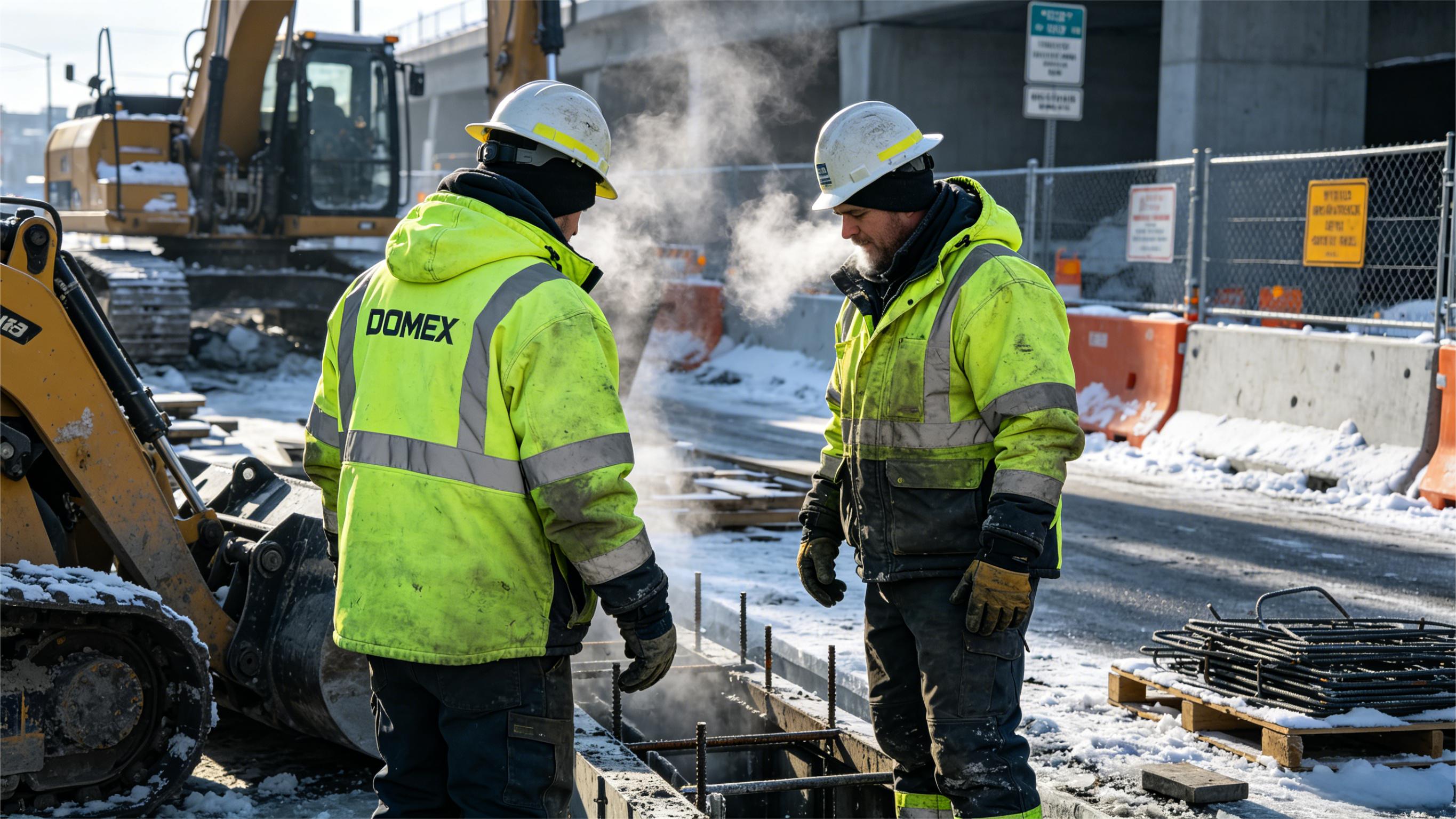
Workers exposed to low temperatures—such as outdoor construction crews, cold storage staff, or personnel at northern outdoor sites—are particularly vulnerable to cold stress. Prolonged exposure can reduce work efficiency, cause physical discomfort, and even lead to frostbite. Properly designed winter thermal safety workwear can provide effective warmth while meeting essential safety standards. This guide covers key features, industry standards, suitable work scenarios, and practical purchasing tips for winter thermal PPE.
High-quality winter thermal safety workwear provides:
Effective heat retention and wind resistance: Locks in body heat efficiently, keeping workers comfortable in freezing conditions.
Waterproof and splash-proof protection: Outer fabrics are engineered to withstand rain, snow, and frost.
Comfortable, breathable inner lining: Ensures long-term wear without stuffiness.
Integrated safety features: Maintains high visibility, anti-static protection, and flame retardancy.
Durability for outdoor tasks: Tear- and wear-resistant materials ideal for frequent field operations.
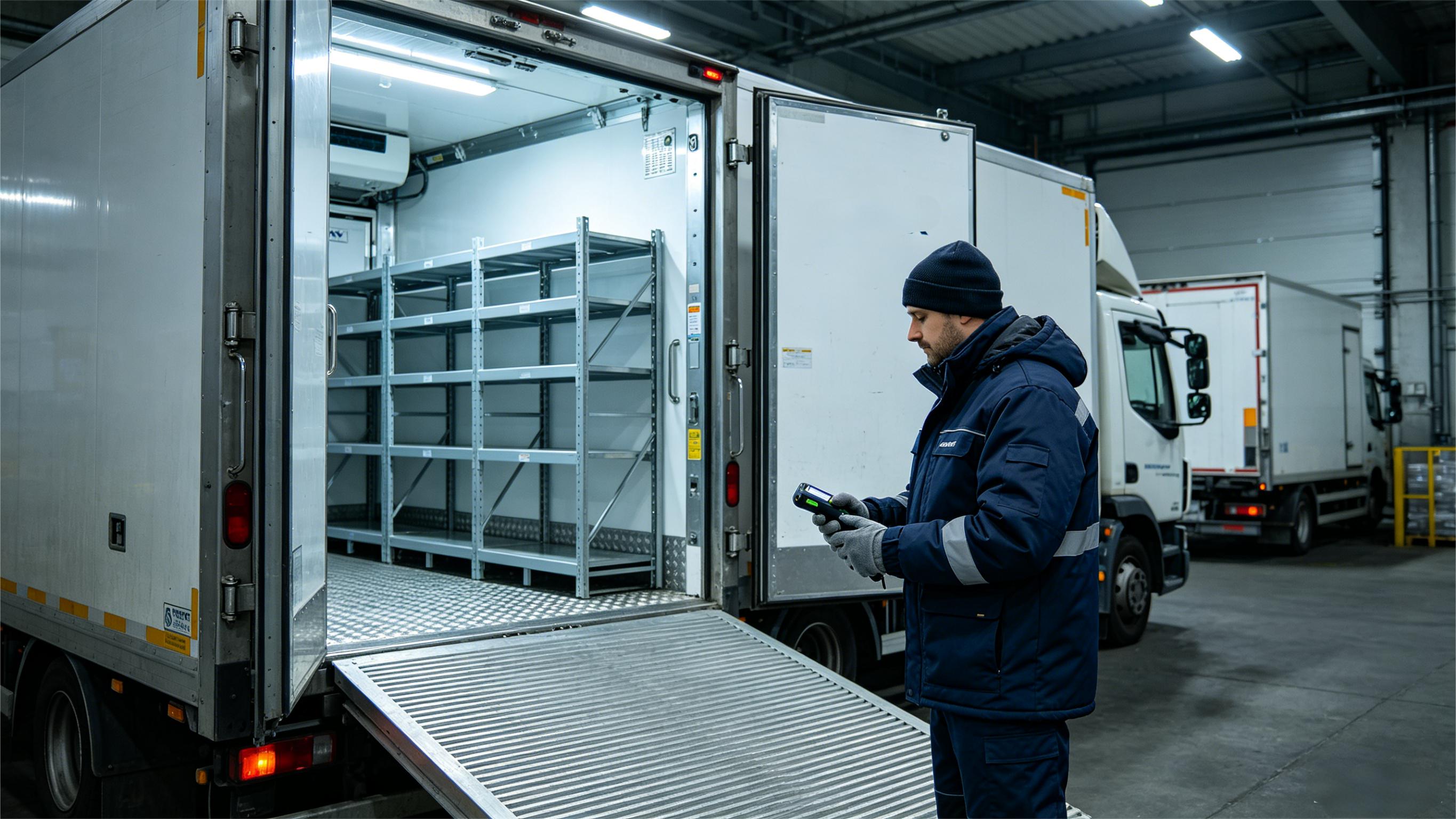
Winter thermal workwear is suitable for multiple cold-weather scenarios:
Outdoor road construction, municipal projects, and highway maintenance
Cold storage warehouses and frozen food processing workshops
Logistics operations, loading docks, ports, and wharfs
Northern field construction, energy, mining, and power maintenance
Factory outdoor patrols, security teams, and field staff
China Standards:
GB/T 2660-2017, GB 20653-2020: Ensures warmth retention and fabric safety; high-visibility thermal garments must comply with national visibility warning clothing regulations.
International Standards:
EN 342: European standard for cold protective clothing
ANSI/ISEA 107: North American standard for cold-resistant high-visibility workwear
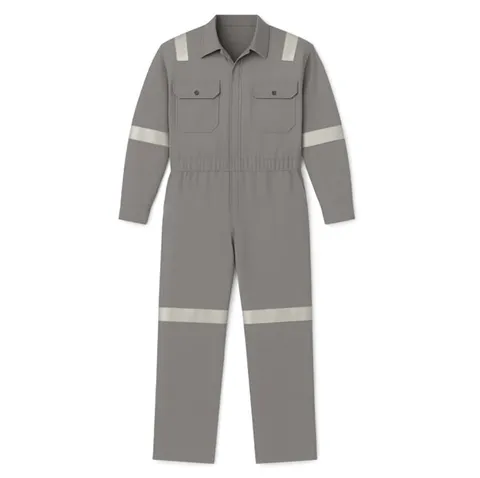
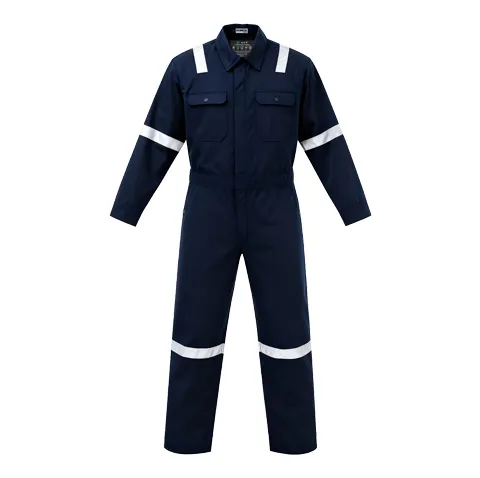
High-Visibility Thermal Workwear:
Fluorescent outer layers with reflective strips for day and night visibility
Ideal for traffic management and road construction workers
Standard Windproof Thermal Workwear:
Practical, cost-effective options that provide wind resistance and warmth
Suitable for factory workshops or everyday outdoor posts
Multi-Functional Integrated Thermal Workwear:
Combines anti-static, flame-retardant, oil-proof, and thermal properties
Designed for petrochemical, electric power, and other high-risk cold environments
Most styles feature a detachable liner, allowing quick adjustments for varying temperatures.
When selecting thermal PPE, consider:
Warmth rating: Ensure the garment matches the lowest expected ambient temperature
Outer material quality: Thick, wear-resistant fabrics that resist pilling and water penetration
Lining material: Lightweight, fluffy, and flexible to maintain mobility
Safety feature compatibility: Confirm high visibility, anti-static, and flame-retardant integration
Construction details: Check stitching strength, pocket layout, and adjustable cuffs and hems
To extend garment lifespan:
Wash outer jackets regularly and clean the thermal liner separatel
Avoid high heat or direct sunlight on thermal cotton liners to maintain insulation
Store in dry, ventilated areas to prevent mildew
Replace garments when thermal layers show obvious wear, thinning, or damage
Choosing the right winter thermal safety workwear not only improves worker comfort but also ensures essential protection in cold environments. Enterprises can select appropriate garments based on local temperatures and job requirements, supporting safe and stable operations during winter.
DOMEX focuses on the design and innovation of special protective clothing, and is deeply involved in core protective technologies such as flame resistance and anti-static properties. We provide safe and reliable professional protective solutions for the industrial, power, petroleum and chemical industries, and are committed to becoming a globally trusted protective brand.