English
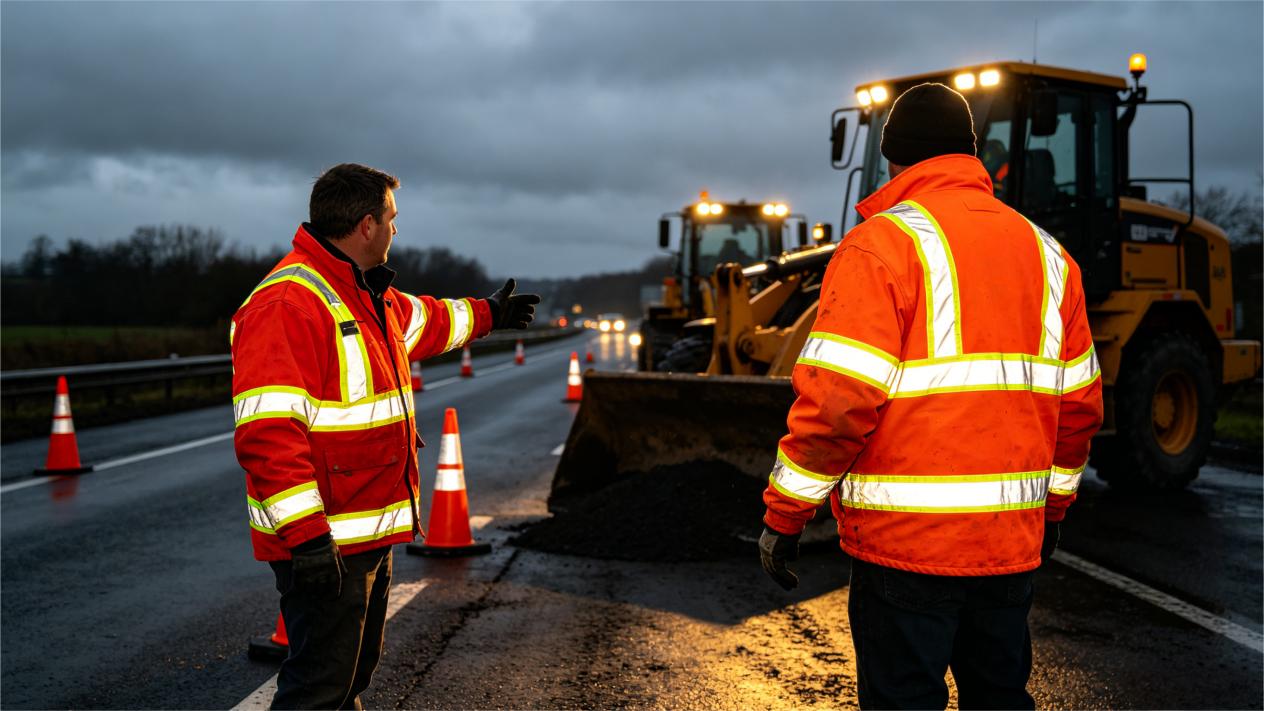
Construction sites, highways, warehouses, logistics centers, and industrial facilities all share one common safety challenge — workers must remain visible in busy and potentially hazardous environments. That is why High Visibility (Hi-Vis) safety workwear has become an essential part of workplace safety programs worldwide.
Proper Hi-Vis garments help reduce accidents by improving worker visibility during daytime, low-light, and nighttime conditions. However, not all reflective clothing provides the same level of protection. To ensure safety and regulatory compliance, Hi-Vis garments must meet internationally recognized standards for visibility, reflective performance, and durability.
This guide explains the major global Hi-Vis safety workwear standards, how they apply across industries, and how to select compliant protective clothing for different working environments.
High Visibility (Hi-Vis) safety workwear refers to protective garments specifically designed to make workers more visible in both daylight and low-light environments. These garments improve visibility through the combination of:
Fluorescent background materials — bright colors such as fluorescent yellow, orange-red, and red that stand out clearly during daytime conditions.
Retroreflective strips — reflective materials that bounce light back toward its source, making workers highly visible at night or in dark environments when illuminated by headlights or flashlights.
Unlike ordinary bright-colored clothing, compliant Hi-Vis garments are manufactured according to strict international standards covering color performance, reflective properties, material placement, and visibility distance.
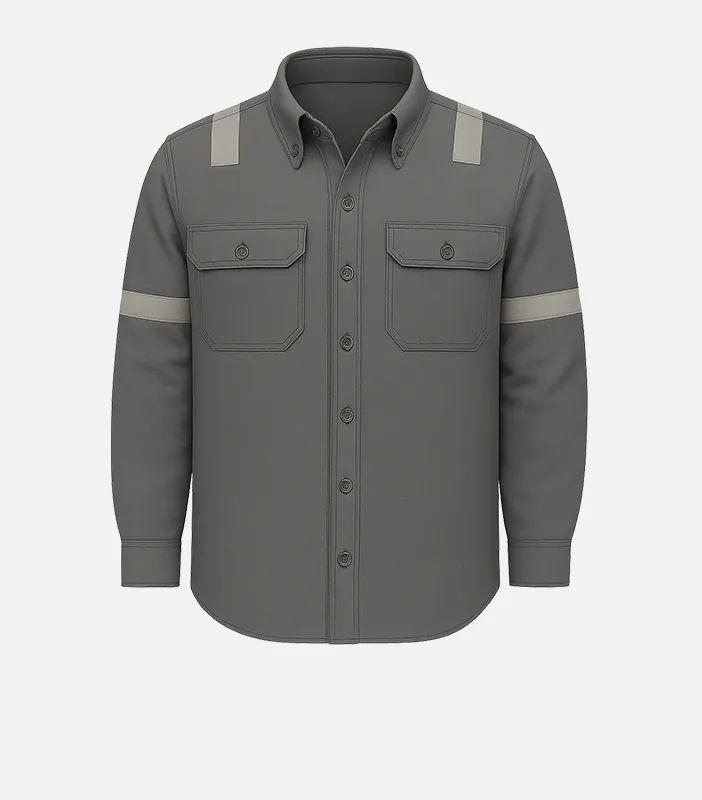
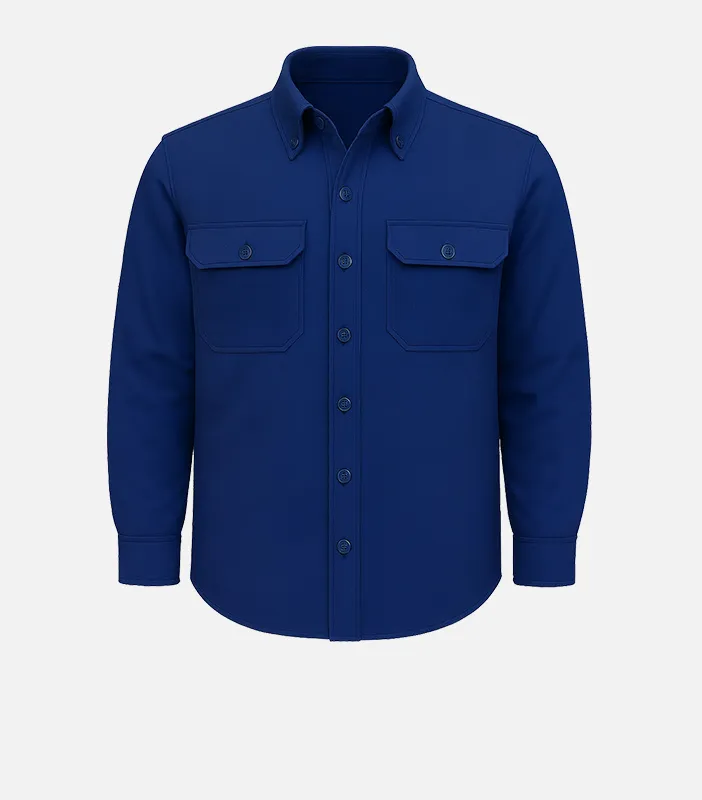
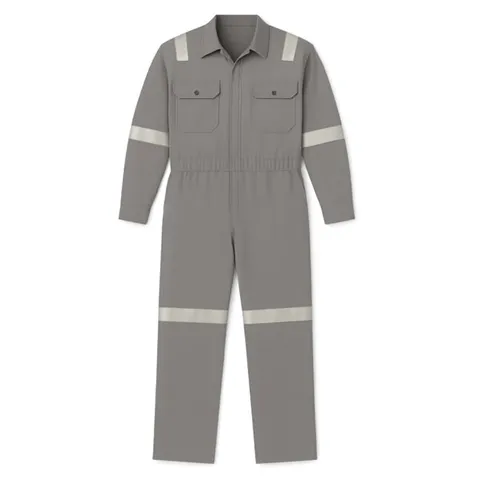
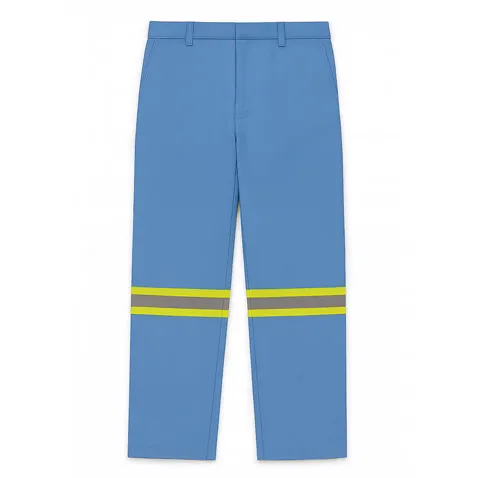
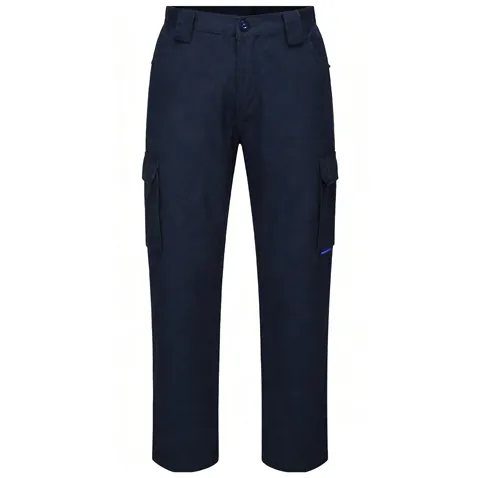
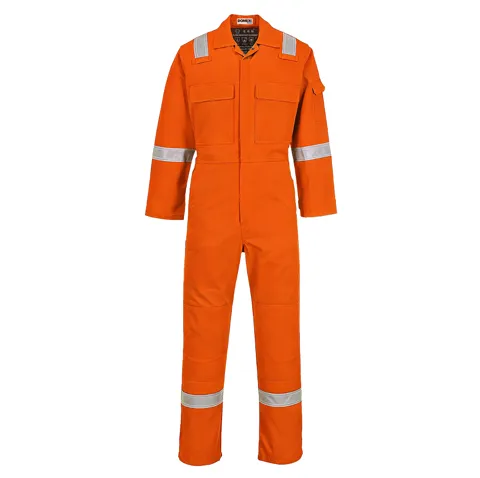
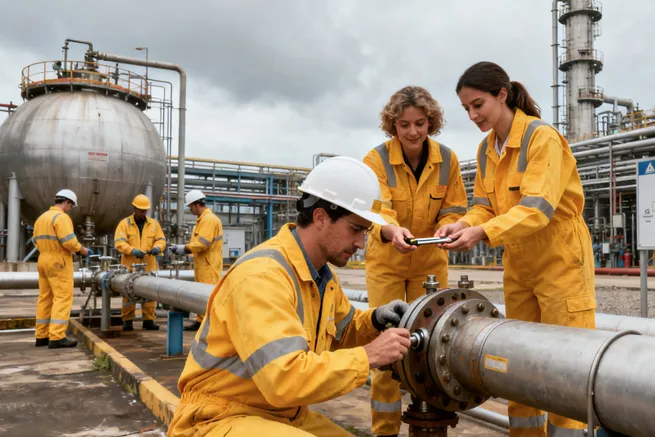
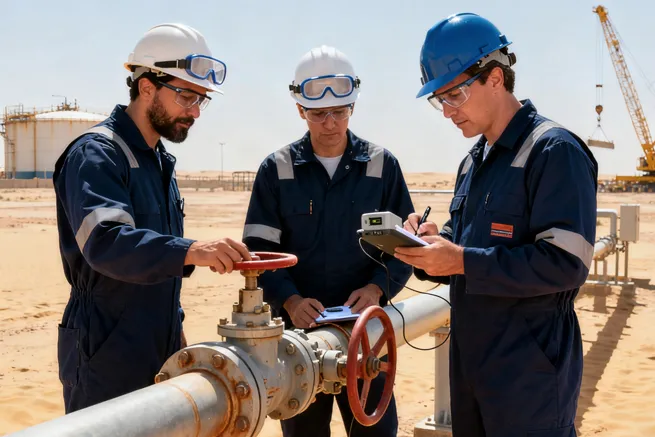
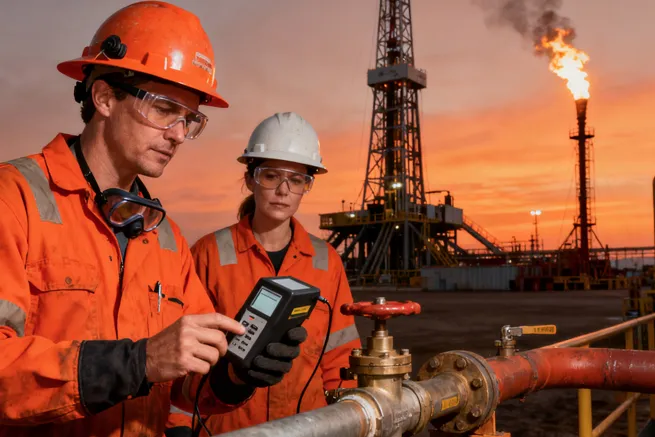
DOMEX’s High Visibility workwear range includes safety vests, jackets, coveralls, pants, and FR Hi-Vis garments designed for construction, utilities, logistics, mining, oil & gas, and industrial applications worldwide.
Compliance with regional safety standards is essential not only for worker safety, but also for legal compliance and market access.
EN ISO 20471 (Europe)
EN ISO 20471 is the primary European standard for High Visibility safety clothing. It classifies garments into three visibility classes based on the amount of fluorescent and reflective material used.
Class | Fluorescent Material | Reflective Material | Typical Applications |
Class 1 | ≥0.14 m² | ≥0.08 m² | Warehouse staff,parking attendants |
Class 2 | ≥0.50 m² | ≥0.13 m² | Utility workers,road construction |
Class 3 | ≥0.80 m² | ≥0.20 m² | Highway work, emergency response, night operations |
EN ISO 20471 also specifies approved fluorescent colors and reflective performance requirements to ensure visibility from long distances and multiple viewing angles.
ANSI/ISEA 107 (North America)
ANSI/ISEA 107 is the leading High Visibility safety apparel standard in the United States and Canada.
The standard divides garments into three performance classes:
Class 1 — low-risk environments with slower-moving traffic.
Class 2 — moderate-risk environments such as utility work and road maintenance.
Class 3 — high-risk environments including highway construction and nighttime work.
ANSI/ISEA 107 also requires reflective strip placement around the torso, arms, and legs to improve 360-degree visibility.
AS/NZS 1906 (Australia & New Zealand)
AS/NZS 1906 specifies visibility requirements for Australian and New Zealand workplaces. The standard focuses heavily on UV resistance and outdoor durability due to the region’s strong sunlight exposure and demanding environmental conditions.
GB 20653-2020 (China)
GB 20653-2020 is China’s national standard for High Visibility safety workwear, implemented on August 1, 2021. Based on ISO 20471 and ANSI/ISEA 107, it specifies requirements for fluorescent colors, retroreflective materials, garment coverage, color fastness, and durability. The standard is mandatory for industries such as construction, transportation, logistics, oil & gas, and emergency rescue.
Selecting compliant High Visibility workwear is critical for both worker protection and regulatory compliance.
When purchasing Hi-Vis PPE, consider the following:
Check Certification Labels
Look for certification markings such as:
CE certification
ANSI/ISEA 107 labels
AS/NZS certification marks
These labels indicate the garment has been independently tested for compliance.
Inspect Reflective Material Quality
High-quality retroreflective strips should:
Maintain strong reflectivity
Resist peeling and cracking
Withstand repeated industrial washing
Verify the Correct Visibility Class
Different work environments require different visibility levels.
For example:
Warehouses may only require Class 1 or Class 2 garments.
Highway construction and night work generally require Class 3 protection.
Selecting the correct class helps ensure compliance and proper worker visibility.
Review Test Reports
Reliable PPE manufacturers provide third-party testing reports covering:
Color fastness
Reflective performance
Wash durability
UV resistance
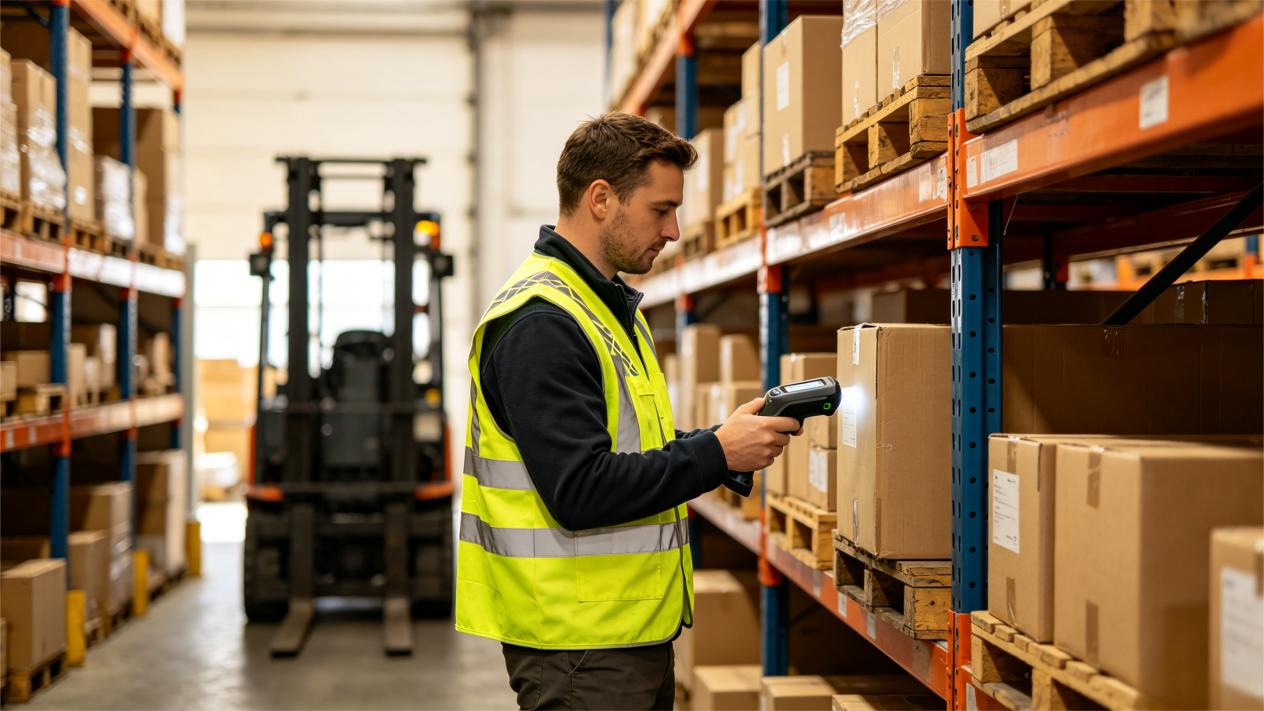
Beyond standard compliance, several additional factors affect the performance and comfort of High Visibility safety apparel.
Work Environment
For high-speed traffic areas or low-light conditions, choose garments with maximum reflective coverage and higher visibility classifications.
Industries commonly requiring Hi-Vis PPE include:
Construction
Logistics
Utilities
Oil & Gas
Mining
Warehousing
Railways
Airport ground operations
Climate Adaptability
Different climates require different garment constructions.
For hot climates such as the Middle East or Brazil, breathable and moisture-wicking fabrics improve worker comfort. For colder regions, insulated Hi-Vis jackets provide additional thermal protection.
Durability
Industrial environments require garments that can withstand repeated washing and heavy use.
Look for:
Reinforced seams
Tear-resistant fabrics
Durable reflective strips
Fade-resistant fluorescent materials
Combined Protection
Some industries require multiple forms of protection in one garment.
For electrical utilities, oil & gas, and petrochemical industries, many companies choose High Visibility garments combined with:
Flame resistant (FR) protection
Arc-rated protection
Anti-static performance
With more than many years of PPE manufacturing experience, DOMEX provides High Visibility workwear designed for demanding industrial applications worldwide.
Key advantages include:
Compliance with EN ISO 20471, ANSI/ISEA 107, AS/NZS 1906, and related standards
Premium reflective materials for enhanced nighttime visibility
Breathable and durable fabric constructions
Climate-specific product development
Private label and customization services
Integrated FR and anti-static Hi-Vis solutions
1.What is the difference between Class 2 and Class 3 Hi-Vis clothing?
Class 3 garments provide a larger coverage area of fluorescent and reflective materials, offering higher visibility for workers in high-risk or nighttime environments.
2.Does Hi-Vis clothing lose reflectivity over time?
Yes. Poor-quality reflective strips may peel, crack, or lose brightness after repeated washing and exposure to sunlight. High-quality industrial reflective materials maintain performance much longer.
3.Can Hi-Vis garments also be flame resistant?
Yes. Some High Visibility garments combine visibility performance with flame resistant and anti-static protection for industries such as oil & gas, utilities, and electrical maintenance.
High Visibility safety workwear plays a critical role in reducing workplace accidents and improving worker visibility across construction, utilities, logistics, industrial manufacturing, and transportation sectors.
Understanding standards such as EN ISO 20471, ANSI/ISEA 107, AS/NZS 1906, and NR 35 helps companies select compliant reflective protective clothing suited to specific work environments and operational risks.
DOMEX focuses on the design and innovation of specialized protective apparel, with deep expertise in core safety technologies such as flame resistance and anti-static protection. We provide safe and reliable professional protective solutions for the industrial, electrical, oil, and chemical sectors, and are committed to becoming a globally trusted protective brand.