English
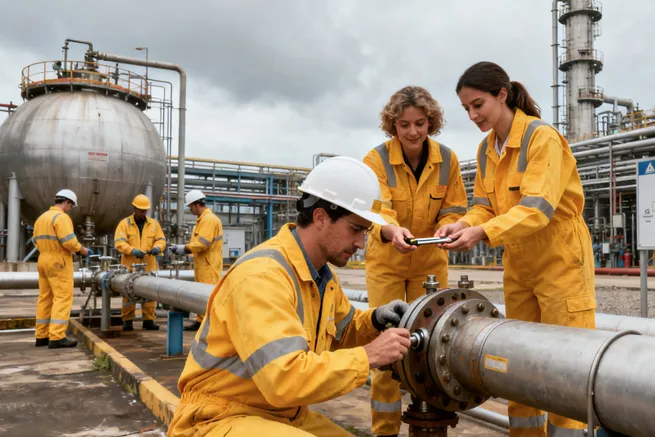
In hazardous industrial environments involving high temperatures and electrical faults, danger lurks everywhere. Appropriate protective equipment is not only crucial but also essential for workplace safety. Flame-retardant (FR) workwear is more than just clothing; it's the first line of defense for workers in high-risk industries.
However, many purchasing personnel and employees still wonder: how exactly does it provide protection? What factors determine the safety of the clothing, and how do you choose the right flame-retardant workwear for your team?
This article will answer these questions and provide more information, enabling companies to better understand flame-retardant clothing and select appropriate protective equipment based on their industry needs.
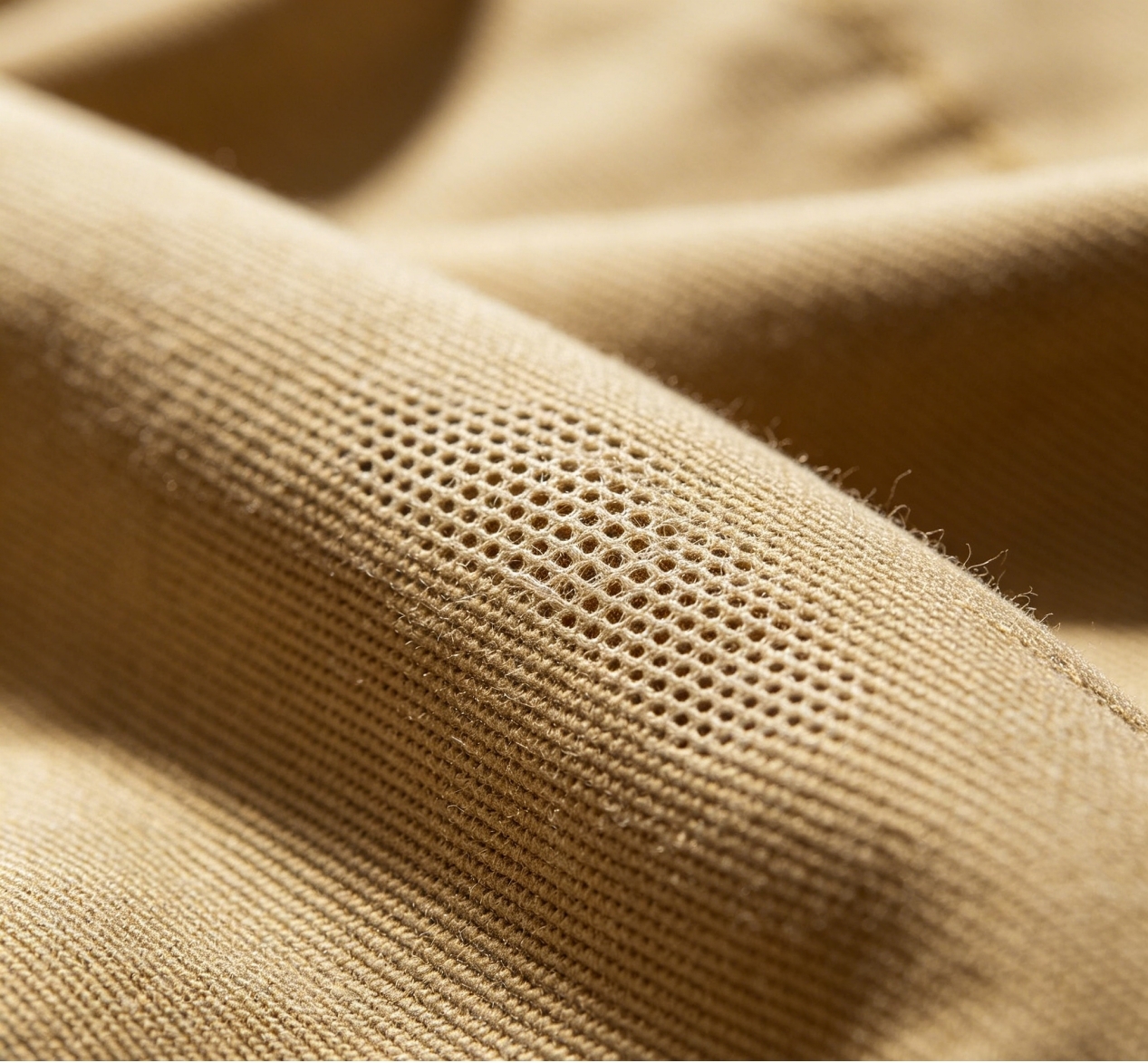
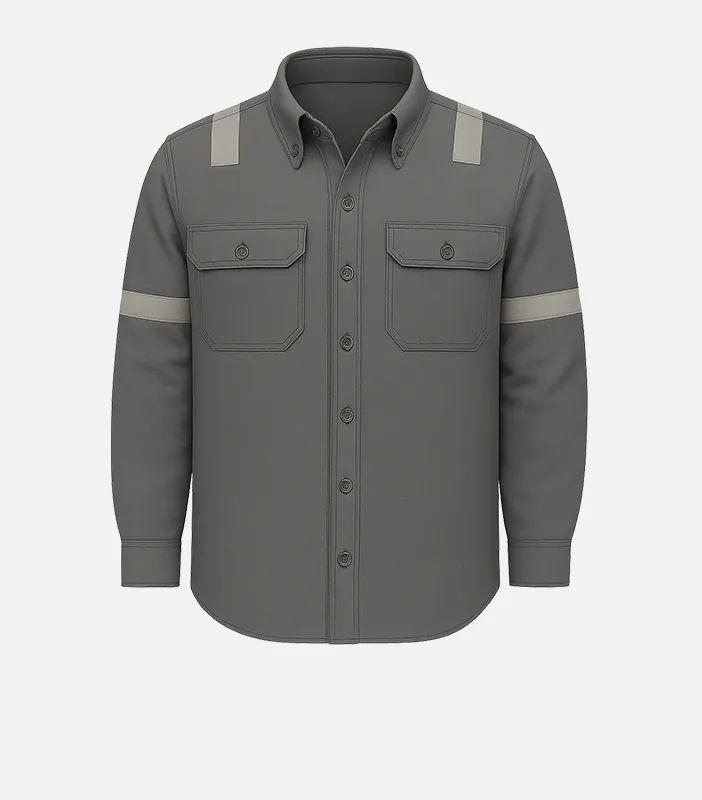
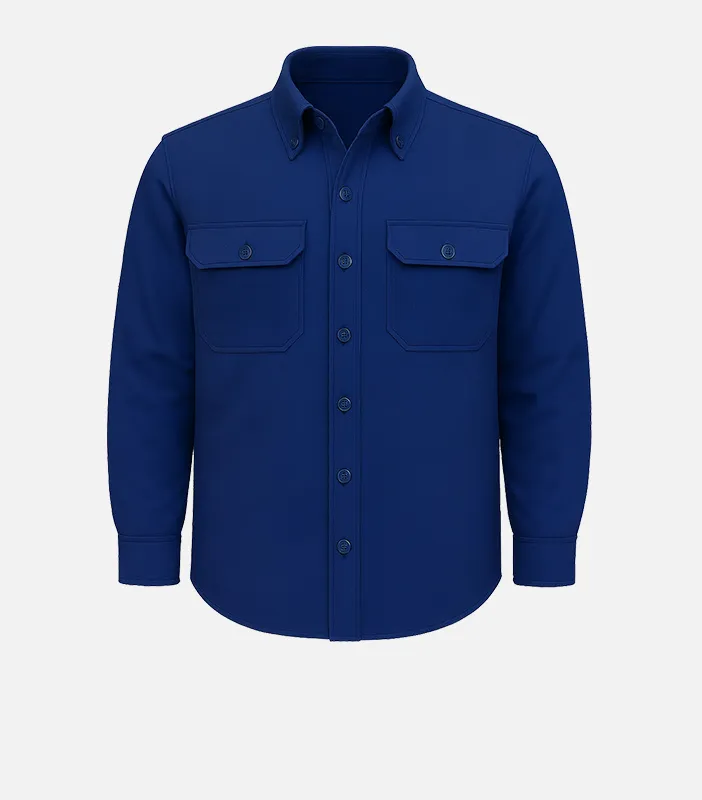
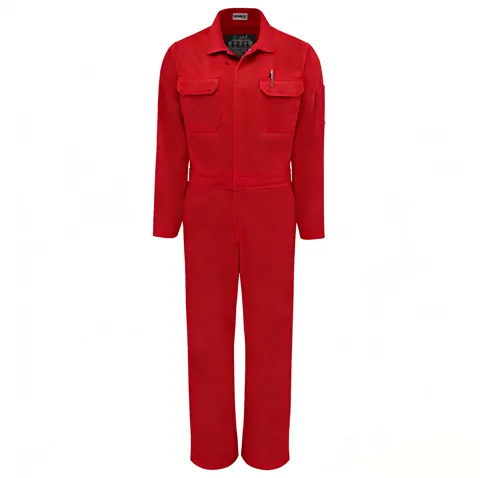
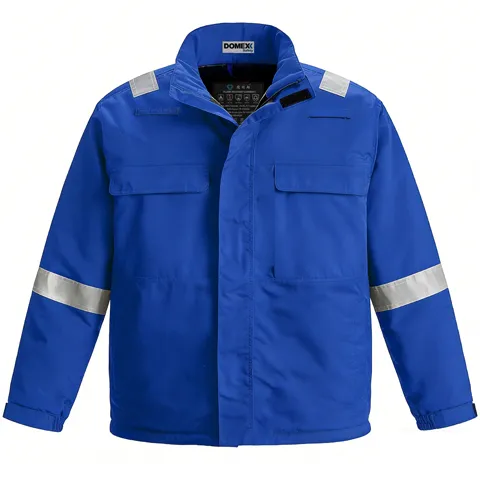
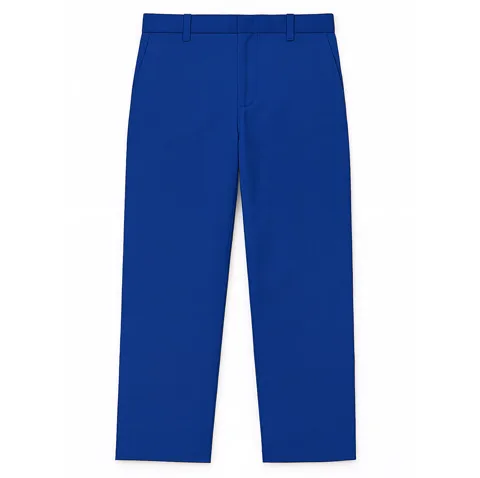
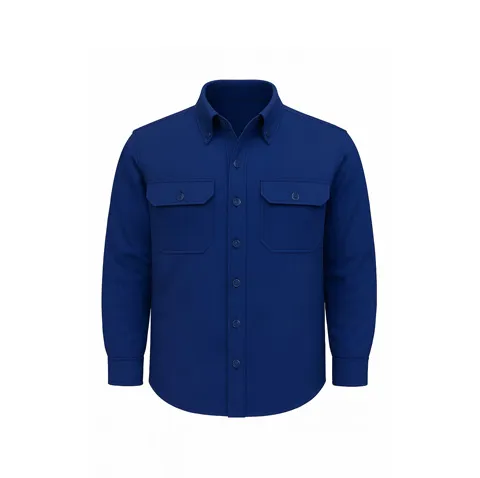
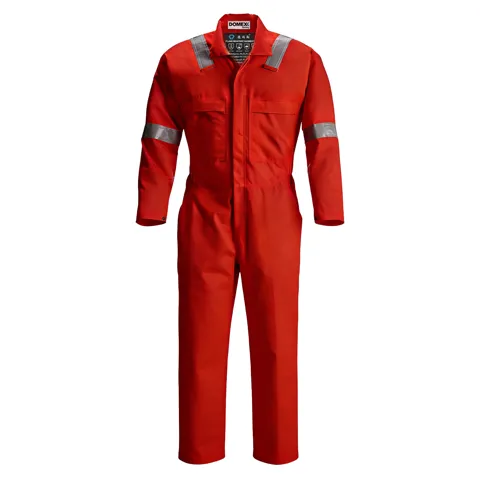
Flame-resistant (FR) workwear refers to specialized protective garments designed to self-extinguish when removed from a flame or heat source, thereby preventing or minimizing burn injuries. Unlike regular work clothes, which can catch fire and continue burning, FR garments are engineered to resist ignition, limit flame spread, and reduce heat transfer to the skin.
It is important to distinguish FR workwear from flame-retardant treated clothing. While some FR garments rely on chemical treatments to achieve flame resistance, high-quality options—such as DOMEX’s DXGuard FR line—are made with inherently flame-resistant fibers, including aramid, modacrylic, or treated cotton blends. These materials maintain their protective properties even after repeated washes. This distinction is critical for long-term safety, as chemically treated garments may lose effectiveness over time due to laundering or wear.
The primary goal of FR workwear is to shield workers from thermal hazards, including flash fires, arc flashes, molten metal splatters, and radiant heat. Its protective mechanism relies on three key principles:
Ignition Resistance: FR fabrics are designed to resist catching fire when exposed to a heat source. Inherently flame-resistant fibers have a high Limiting Oxygen Index (LOI), meaning they require more oxygen than is typically available in the air to ignite.
Self-Extinguishing: If FR workwear does catch fire, it will stop burning within seconds once the flame source is removed. This prevents the garment from acting as fuel and spreading the fire to the wearer’s skin.
Heat Barrier: FR fabrics minimize heat transfer to the body, even when exposed to high temperatures. They often char and thicken when heated, forming a protective layer that slows thermal penetration and reduces the risk of second- or third-degree burns.
For example, during an arc flash incident—common in electrical utility work—FR clothing can absorb and dissipate arc energy, preventing the garment from melting onto the skin and reducing burn severity. Similarly, in oil and gas environments, FR workwear protects against flash fires caused by the ignition of flammable gases or vapors.
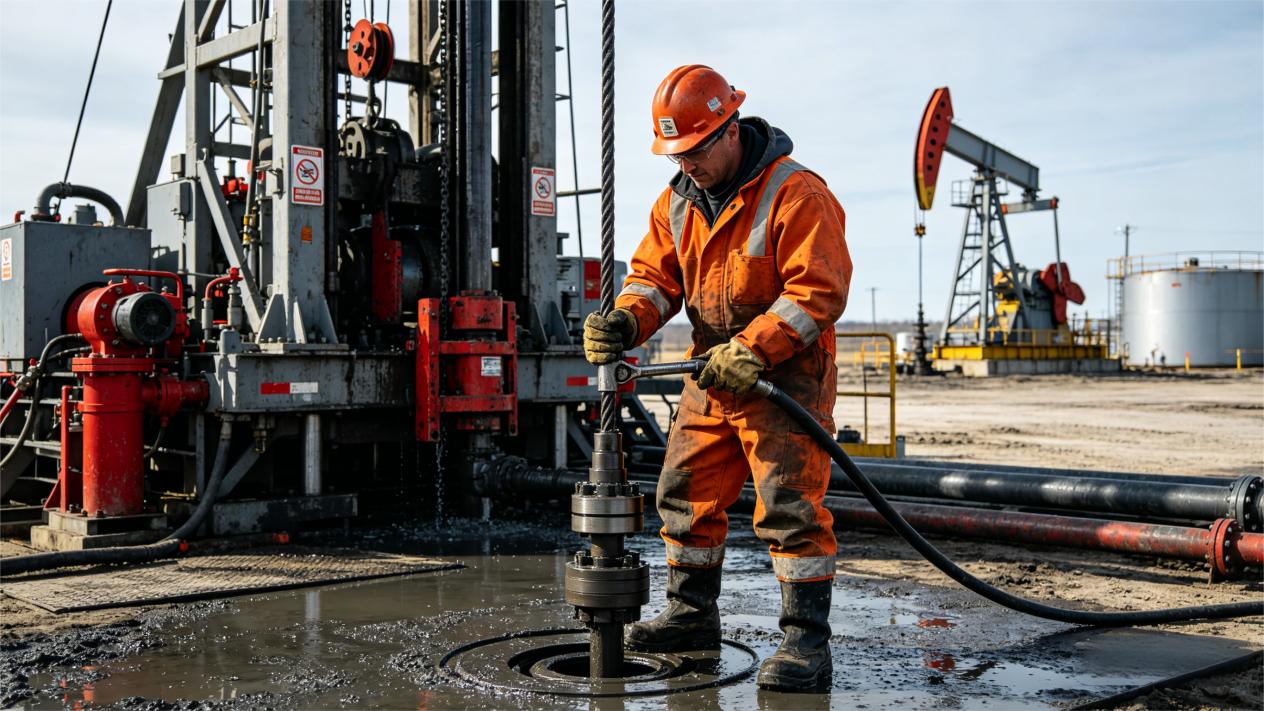
FR workwear is mandatory in any industry where workers face thermal or fire hazards. The most common sectors include:
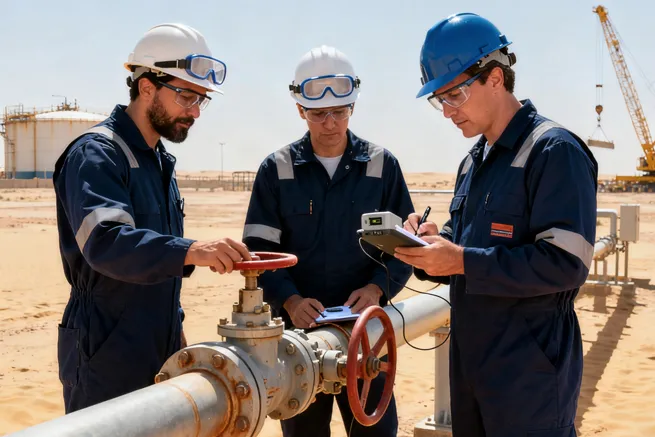
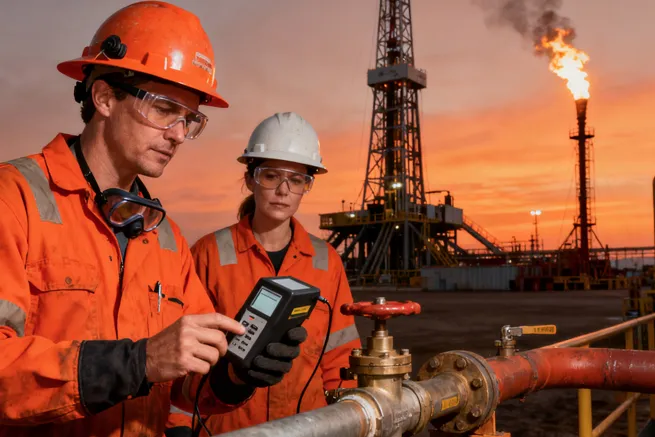
Oil & Gas: From drilling rigs to refineries, workers are exposed to flammable hydrocarbons, flash fires, and explosive atmospheres. FR workwear is a non-negotiable requirement according to industry standards such as NFPA 2112.
Electrical Utilities: Linemen, electricians, and substation workers face arc flash risks. Arc-rated (AR) FR clothing—combining flame resistance with arc protection—is essential to comply with standards like NFPA 70E.
Manufacturing & Smelting: Factories handling molten metals, combustible dust, or high-temperature processes (e.g., automotive manufacturing, steel production) rely on FR workwear to protect against splatters and radiant heat.
Chemical Industry: Workers handling flammable or reactive chemicals face fire and explosion risks, making FR garments a critical safety measure.
Mining: Underground mining operations involve combustible dust, gas, and electrical hazards, requiring durable FR workwear capable of withstanding harsh conditions.
Even in general industrial settings, FR workwear may be required for tasks such as welding, cutting, or working near open flames.
Not all FR workwear is created equal. When sourcing FR garments for your team or as a distributor, consider these key indicators of quality and reliability:
International Certifications: Ensure the garments meet globally recognized standards, such as NFPA 2112 (flame resistance), NFPA 70E (arc rating), CE (for European markets), and UL certification. DOMEX’s FR workwear is fully certified to these standards, ensuring compliance with global safety regulations.
Inherently Flame-Resistant Fibers: Prioritize garments made from inherently FR materials over chemically treated fabrics. Inherently FR fabrics maintain their protective properties for the lifetime of the garment, while treated fabrics may lose effectiveness over time.
Comfort & Durability: Safety should never come at the expense of comfort. High-quality FR workwear uses lightweight, moisture-wicking fabrics that allow full mobility throughout the workday—essential for workers in demanding environments. DOMEX’s FR line, for example, is engineered to be breathable and flexible without compromising protection.
Performance Testing: Choose products that have undergone rigorous testing for flame resistance, heat transfer, and durability. Reputable manufacturers like DOMEX provide test reports and certification documentation to verify performance.
Construction & Fit: Well-constructed FR garments feature reinforced seams, secure closures, and a fit that allows for layering without restricting movement. Poorly fitted clothing can create gaps in protection, increasing the risk of injury.
With over years of expertise in FR and arc-rated clothing, DOMEX is a trusted partner for industrial leaders worldwide. Our DXGuard FR workwear line offers:
Global Compliance: Fully certified to NFPA 2112, NFPA 70E, CE, and UL standards, ensuring your team meets safety requirements in any market.
Inherently Flame-Resistant Materials: Premium fabrics that retain their protective properties through repeated washes and heavy use.
All-Day Comfort: Lightweight, moisture-wicking designs that keep workers agile and cool, even in extreme conditions.
Customization Options: Private labeling, logo embroidery, and tailored fits to meet the unique needs of your business or clients.
Proven Reliability: Trusted by over 500,000 workers across oil and gas, electrical utilities, and manufacturing sectors—including industry leaders such as PetroChina and PipeChina.
Whether you are a safety manager sourcing gear for your team, a distributor seeking high-quality FR products, or an importer looking for compliant PPE, DOMEX delivers flame-resistant workwear that balances safety, durability, and comfort.
Flame-resistant workwear is more than just a safety requirement—it’s an investment in worker protection and business continuity. By understanding how FR workwear works, which environments require it, and how to identify quality products, you can make informed decisions that keep workers safe and your operations compliant.
DOMEX focuses on the design and innovation of specialized protective apparel, with deep expertise in core safety technologies such as flame resistance and anti-static protection. We provide safe and reliable professional protective solutions for the industrial, electrical, oil, and chemical sectors, and are committed to becoming a globally trusted protective brand.