English
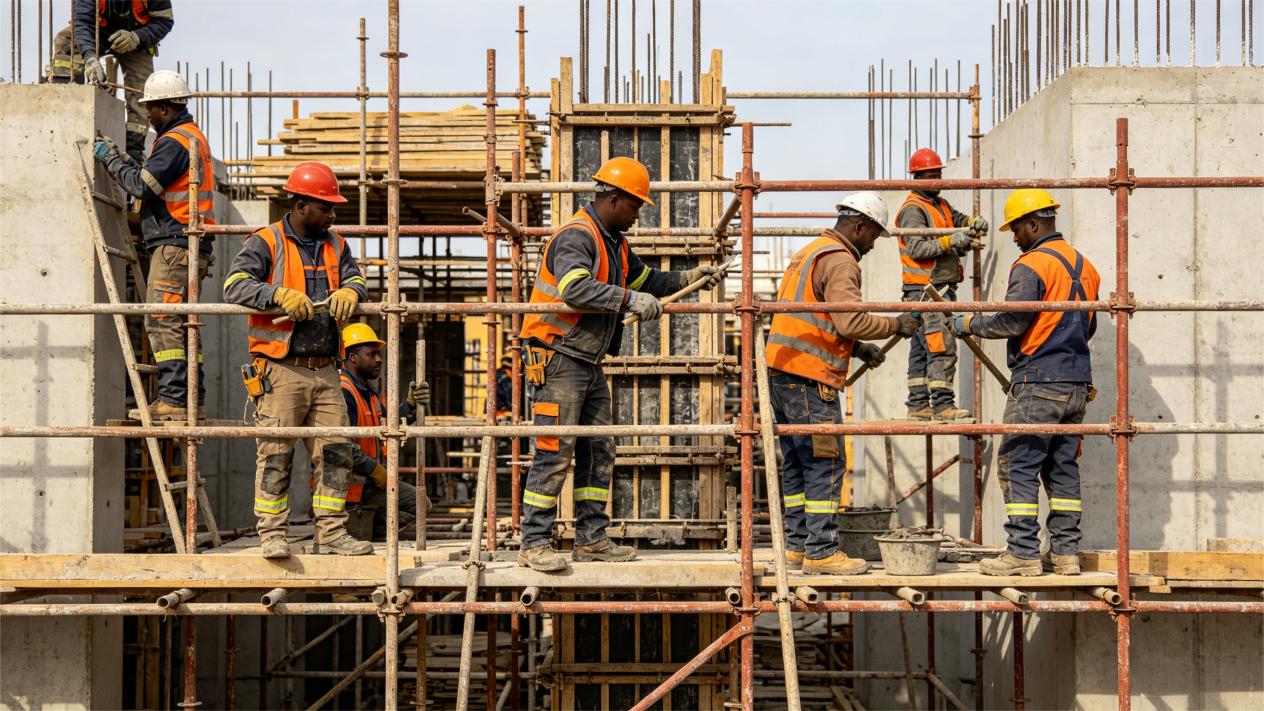
In industries where workers are exposed to high temperatures, sparks, flash fires, or flammable materials, flame-retardant (FR) workwear plays a crucial role in workplace safety. From welding workshops and oil refineries to chemical plants and industrial maintenance environments, choosing appropriate flame-retardant clothing helps reduce the risk of severe burns in accidental fires.
Among various flame-retardant solutions, chemically treated flame-retardant workwear remains widely used across industries globally due to its good balance of protection, comfort, durability, and cost-effectiveness. It is particularly suitable for large industrial enterprises that require breathable and affordable flame-retardant clothing to meet their daily wear needs.
This guide will explain how chemically treated flame-retardant clothing works, its key advantages, applicable standards, selection considerations, and common industrial applications.
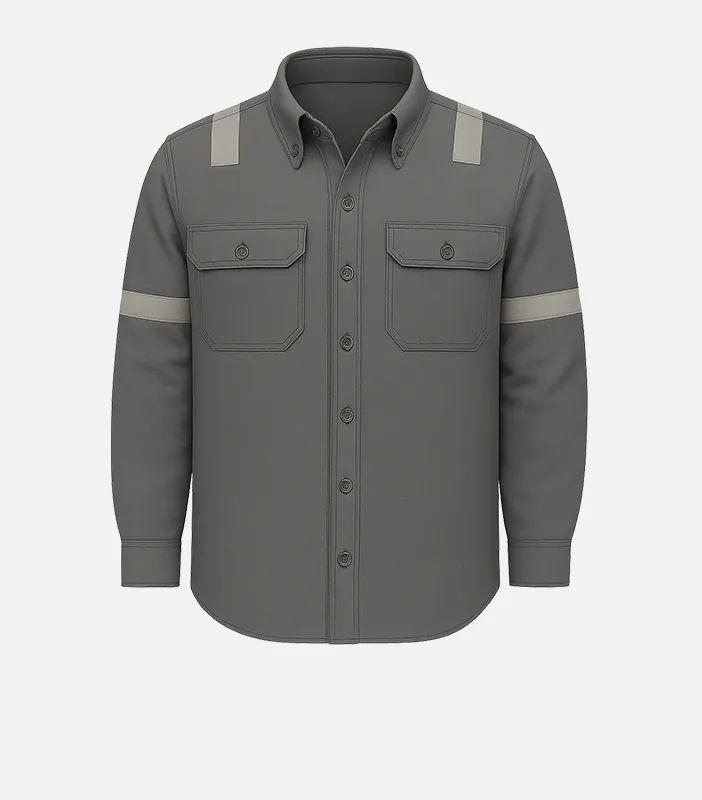
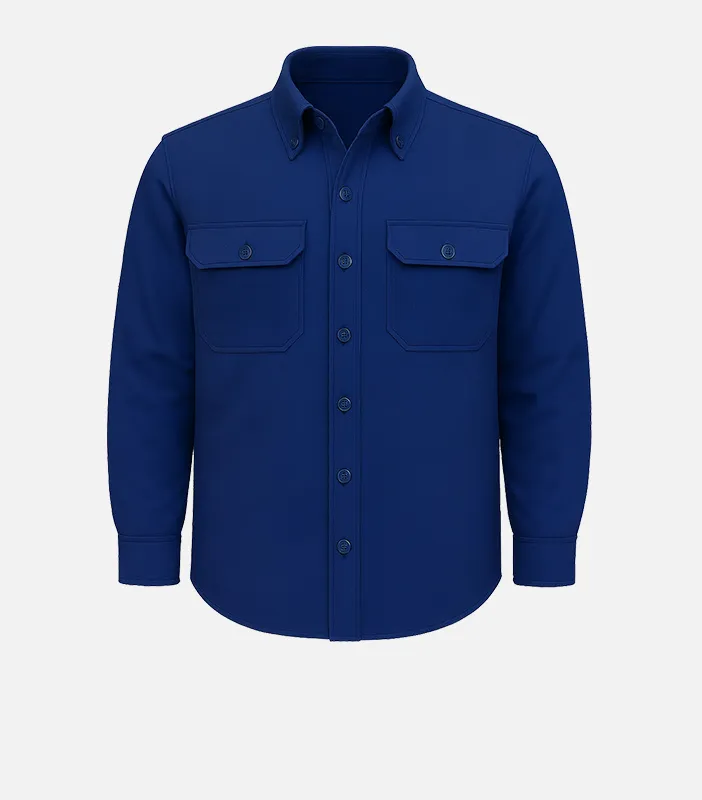
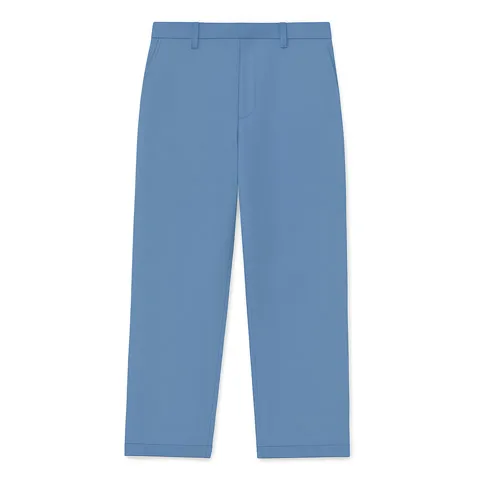
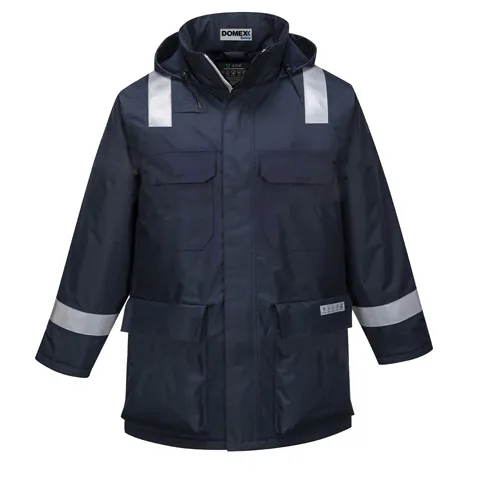
Chemically treated flame-retardant work clothes are made by applying a special flame-retardant treatment to traditional cotton or cotton blend fabrics. These treatments help the fabric resist ignition, limit the spread of flames, and self-extinguish after the ignition source is removed.
Unlike inherently flame-retardant fabrics that rely on flame-retardant fibers directly integrated into the fabric structure, chemically treated flame-retardant fabrics achieve their flame-retardant properties through advanced finishing techniques while maintaining the softness and breathability typically found in cotton work clothes.
Economical and Efficient Protection
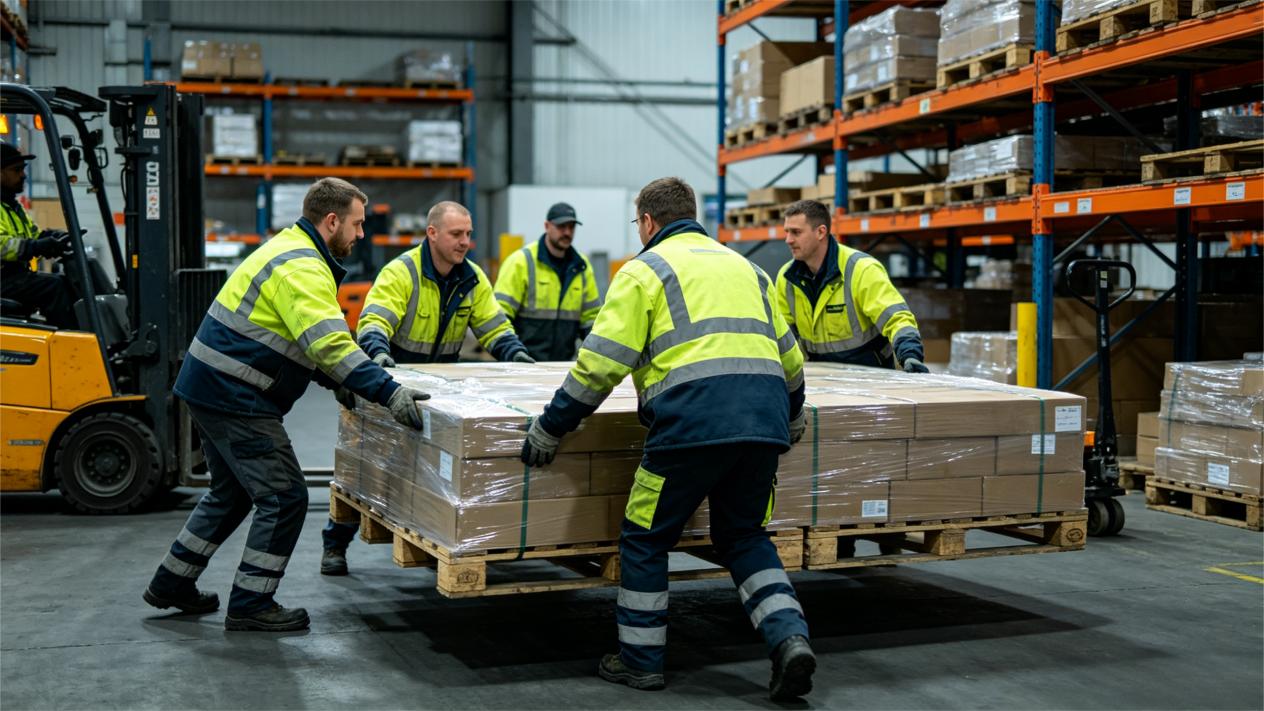
Compared to many inherently flame-retardant fabrics, chemically treated flame-retardant workwear typically has a lower production cost, making it an ideal choice for labor-intensive enterprises (such as large logistics warehouses and basic construction sites) and outsourced teams with high staff turnover—allowing companies to easily distribute and regularly update basic protective equipment for all employees within a strictly controlled annual budget.
Reliable Flame Retardant Properties
High-quality chemically treated flame-retardant clothing is self-extinguishing after the ignition source is removed, helping to reduce secondary burns and limit the spread of flames.
Depending on the fabric construction, garment weight, and certification level, some chemically treated flame-retardant garments may also offer additional radiant heat protection and some arc flash protection.
Compared to inherently flame-retardant fabrics, chemically treated flame-retardant fabrics may require more stringent washing procedures and garment care to maintain their long-term protective performance.
Verify Certifications
Make sure the garment complies with applicable regional standards, such as:
GB 8965.1-2020
EN ISO 11612
NFPA 2112
Certified garments provide more reliable and traceable protection.
Assess Fabric Quality
Choose durable pure cotton or cotton blend fabrics and ensure the flame-retardant treatment is uniform. Consistent treatment quality is crucial for maintaining the consistent flame-retardant performance of the entire garment.
Check Protective Performance
Key performance indicators include:
Limited Flame Spread
Self-Extinguishing
No Melting or Dripping
Controllable Charring Length
These properties help reduce the severity of heat damage upon flame exposure.
Consider Washability
High-quality chemically treated flame-retardant fabrics maintain their flame-retardant properties even after multiple industrial washes when cared for according to the manufacturer's guidelines.
Proper washing and care procedures are essential for maintaining the long-term performance of the garment.
Prioritizing Comfort and Construction
Workers wearing flame-retardant clothing for extended periods benefit from the following characteristics:
Breathable fabric
Reinforced seams
Adjustable cuffs and waistbands
Ergonomically designed clothing
Comfortable and well-fitting clothing also helps improve worker compliance with personal protective equipment (PPE) requirements.
What is the difference between chemically treated flame-retardant fabrics and inherently flame-retardant fabrics?
Chemically treated flame-retardant fabrics achieve their flame-retardant properties through special chemical treatments, while inherently flame-retardant fabrics use flame-retardant fibers directly integrated into the fabric structure.
Will chemically treated flame-retardant clothing lose its protective properties after washing?
High-quality chemically treated flame-retardant clothing will maintain its protective properties even after repeated washing when followed correctly.
Are chemically treated flame-retardant workwear suitable for hot climates?
Yes. Cotton-rich chemically treated flame-retardant fabrics are generally breathable and lightweight, making them suitable for warm working environments.
Does chemically treated flame-resistance clothing also provide antistatic protection?
Yes. Some flame-retardant clothing designs combine flame resistance and antistatic properties, making them suitable for industries such as petrochemicals, oil and gas, and industrial manufacturing.
Chemically treated flame-retardant workwear remains a practical and cost-effective solution for industrial flame protection. Understanding clothing standards, fabric construction, washability, and workplace requirements helps companies select flame-retardant garments that balance protection, comfort, and ease of use.
DOMEX focuses on the design and innovation of specialized protective apparel, with deep expertise in core safety technologies such as flame resistance and anti-static protection. We provide safe and reliable professional protective solutions for the industrial, electrical, oil, and chemical sectors, and are committed to becoming a globally trusted protective brand.