English
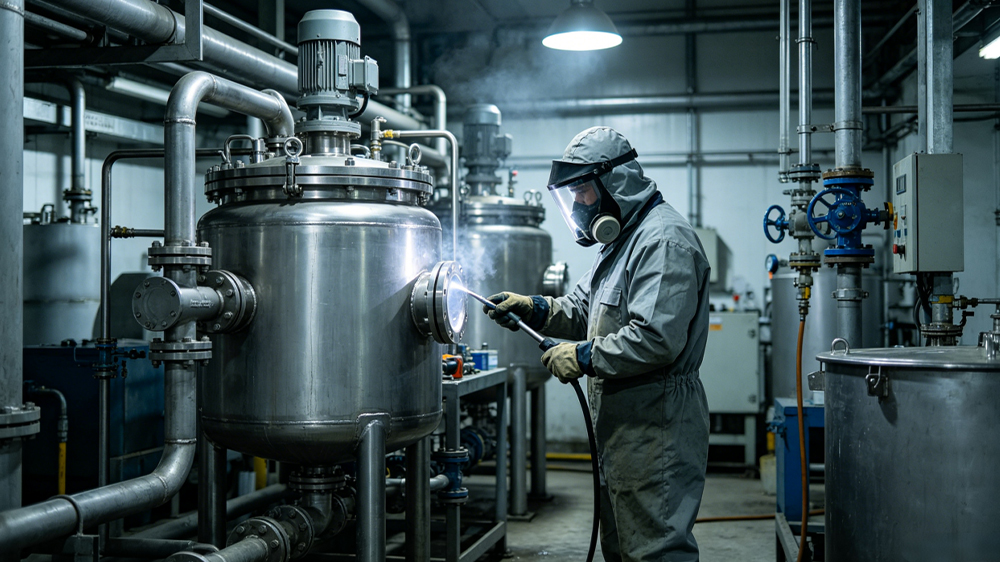
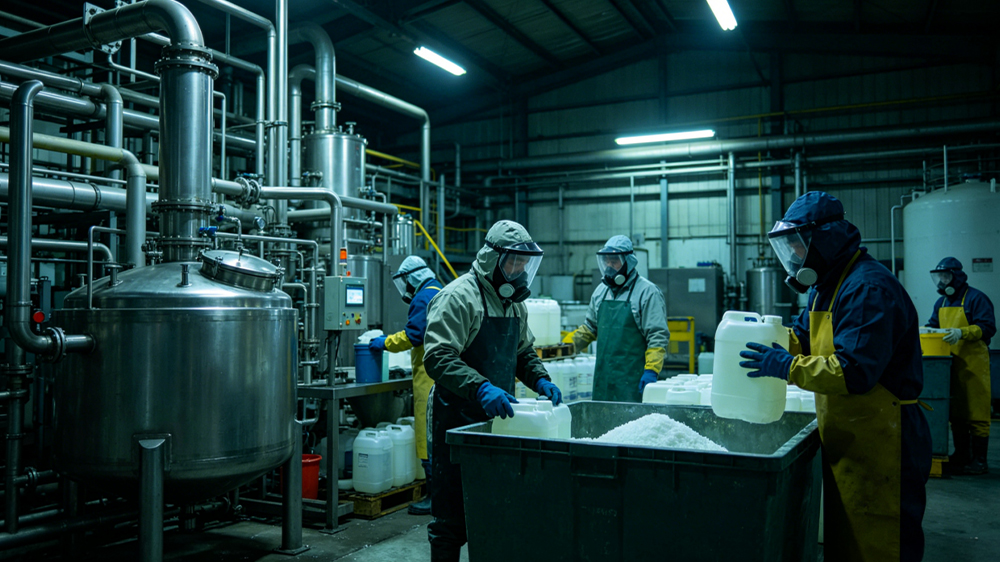
Chemical plants are complex environments where workers face multiple hazards—corrosive chemicals, static electricity, and high-temperature operations. Choosing the right safety uniform is essential not only for compliance but also to protect employees and prevent accidents. This guide provides a practical framework for selecting durable, compliant, and cost-effective protective workwear, as well as tips for daily care.
Workers may encounter strong acids (like sulfuric and hydrochloric acid), alkalis (such as caustic soda), or industrial solvents in production, storage, and transportation areas. Exposure can lead to skin burns, fabric damage, and uniform perforation, increasing the risk of secondary injuries. Protective uniforms should resist chemical penetration and degradation.
Flammable gases, vapors, and powders—common in oil, benzene, and chemical dust—can accumulate static charges. A single spark may ignite combustible substances, causing fires or explosions. Anti-static fabrics with low surface resistance are critical to prevent dangerous static buildup.
Welding, hot work, furnace operations, or accidental leaks of high-temperature chemicals can cause severe burns. Flame-retardant materials that self-extinguish quickly and resist molten splashes provide essential protection in these scenarios.
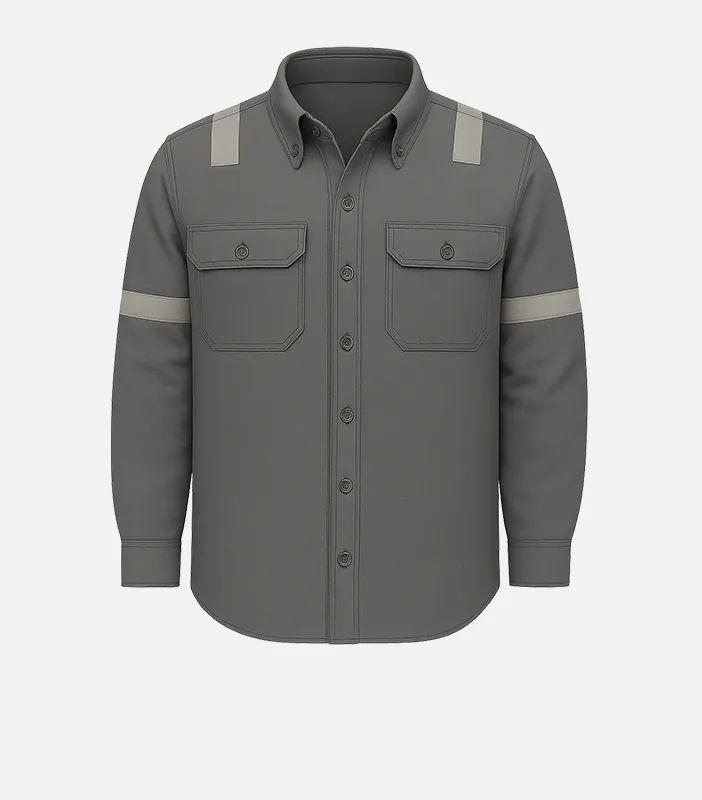
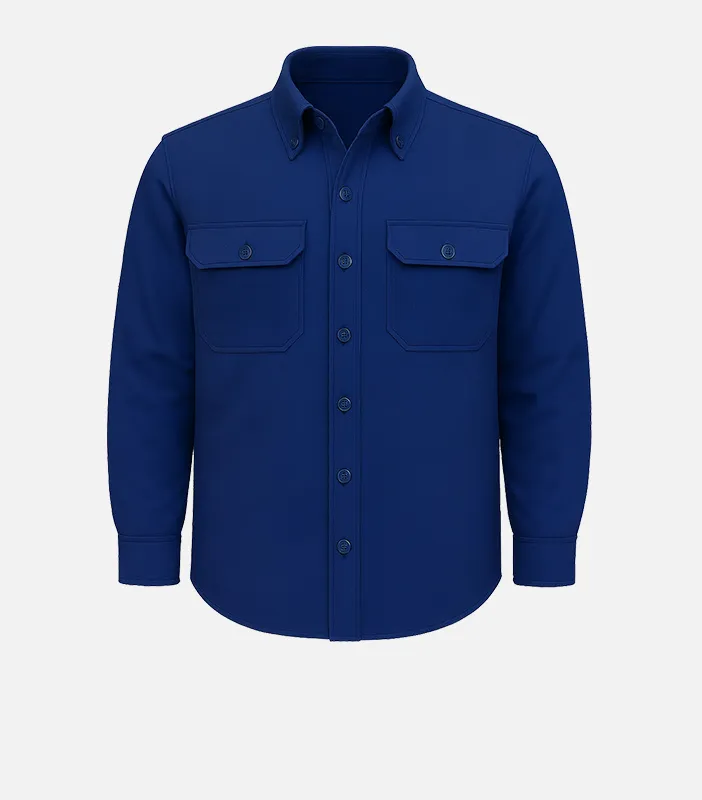
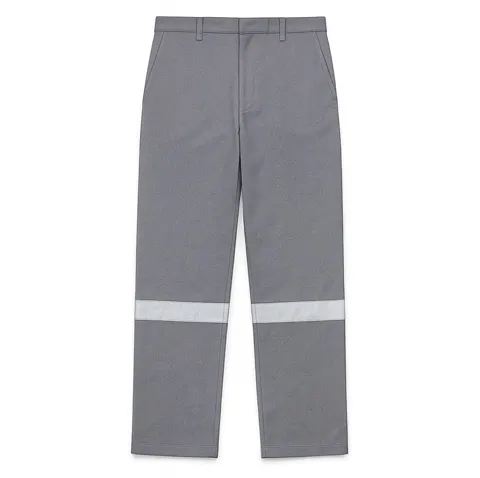
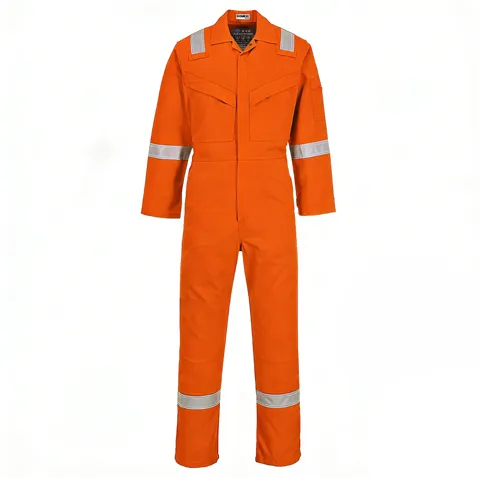
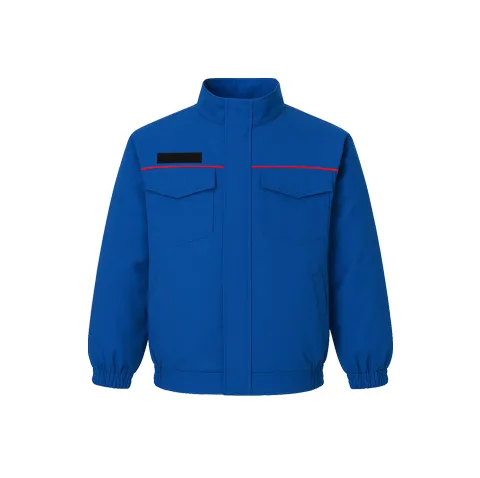
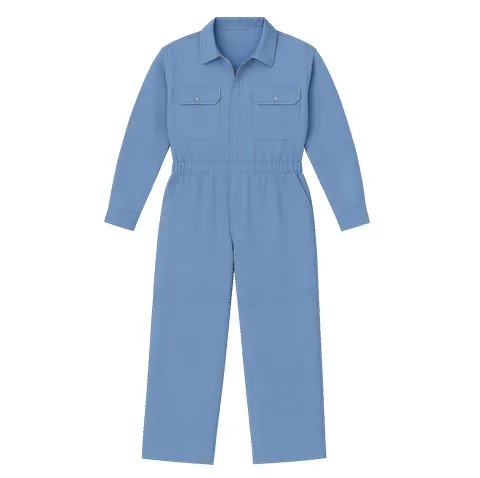
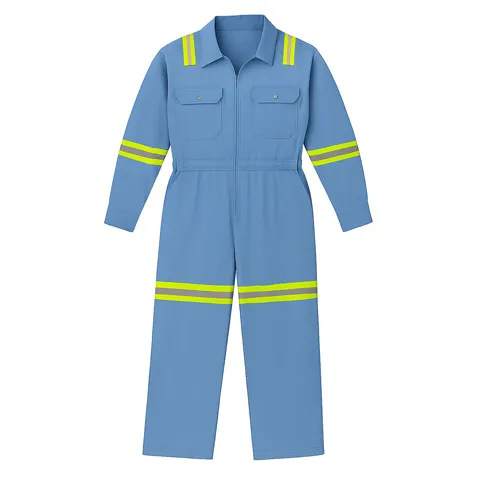
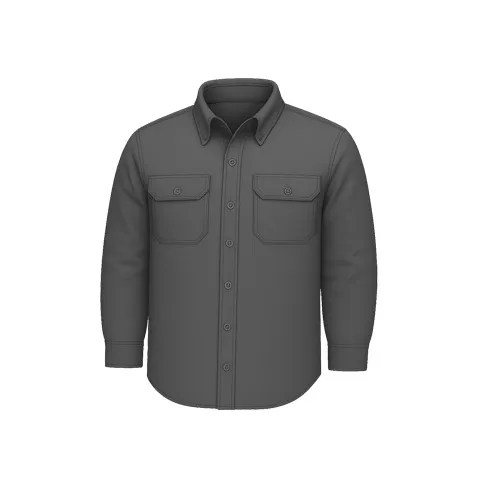
For chemical plants, multi-functional uniforms that combine corrosion resistance, anti-static performance, and flame retardancy are recommended.
Flame Resistant: Comply with EN ISO 11612 (EU) or NFPA 2112 (US); self-extinguish within 2 seconds.
Anti-Static: Meet EN 1149 (EU) or GB 12014 (China); surface resistance between 10⁶–10¹¹ Ω.
Corrosion Resistant:Pass EN 13034; withstand common acids, alkalis, and organic solvents.
Recommended Fabric: Modacrylic and aramid blends provide balanced flame resistance, anti-static performance, and chemical protection while remaining durable for long-term industrial use.
Full Coverage: Long sleeves, full-length trousers, stand-up collar to minimize skin exposure.
Reinforced Seams: Double stitching at stress points (shoulders, elbows, knees, crotch).
Chemical-Resistant Accessories: Flame-retardant zippers, anti-static buttons, corrosion-resistant thread.
Ergonomic Fit: Loose-cut design with elastic cuffs and waistband; breathable lining for comfort during high-temperature operations.
Check for CE marking (PPE 2016/425), EN ISO 11612, EN 1149, and EN 13034 certifications. Request ISO 17025-accredited test reports to verify fabric performance and batch consistency. Avoid single-function uniforms that don’t meet all three protection requirements.
Wash uniforms separately from personal clothing.
Use mild, neutral detergent; avoid bleach or high-temperature ironing.
Rinse thoroughly to remove chemical residues.
Air dry in a shaded, ventilated area to preserve corrosion resistance.
Daily Check: Look for tears, holes, fading, or damaged accessories.
Monthly Check: Confirm flame retardancy and anti-static performance; replace compromised uniforms immediately.
Service Life: Typically 6–12 months; replace sooner if exposed to severe chemicals or flames.
Keep uniforms in a cool, dry place, away from oils, chemicals, or sharp objects.
Use wide-shouldered hangers to maintain shape.
Track batches with labels to ensure timely replacement.
Selecting chemical plant safety uniforms requires a careful balance of protection against corrosion, static electricity, and flames. Choosing EN/NFPA-compliant 3-in-1 protective workwear with verified fabric quality and ergonomic design forms the foundation of worker safety. Combined with proper daily maintenance, regular inspection, and appropriate storage, these uniforms maintain their protective performance and extend service life.
DOMEX focuses on the design and innovation of specialized protective apparel, with deep expertise in core safety technologies such as flame resistance and anti-static protection. We provide safe and reliable professional protective solutions for the industrial, electrical, oil, and chemical sectors, and are committed to becoming a globally trusted protective brand.