English
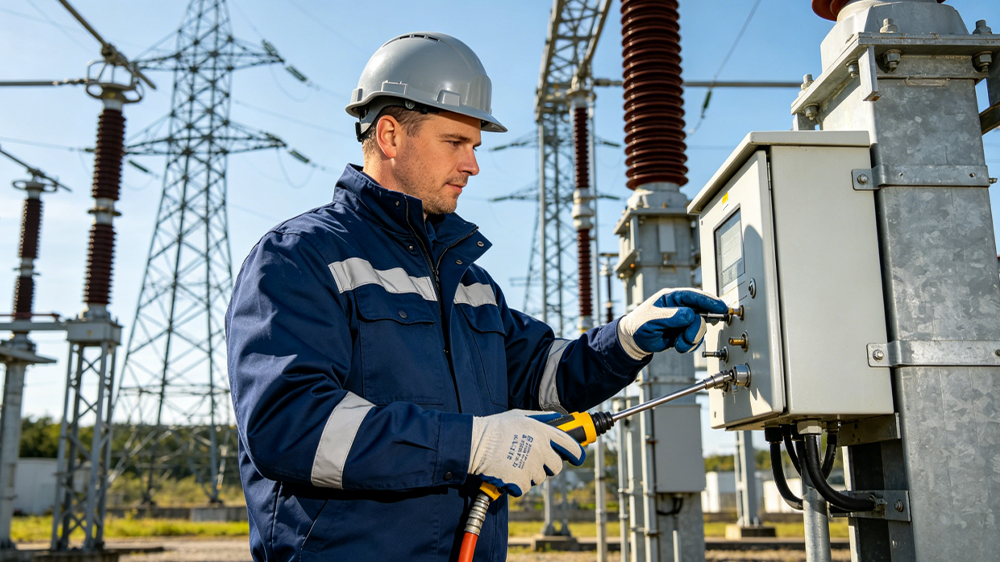
Power utility work involves some of the most demanding safety conditions in industrial environments. Workers may be exposed to high-voltage equipment, arc flash risks, outdoor weather, mechanical abrasion, and long working hours in substations or on transmission lines.
For this reason, arc rated workwear is not just a uniform choice. It is part of a wider safety system designed to reduce burn injuries, improve visibility, and support daily work in high-risk electrical environments.
This guide explains the main hazards in power utility operations, key performance requirements, seasonal workwear options, and practical points to consider when purchasing AR garments in bulk.
Arc flash can occur during equipment failure, short circuits, improper maintenance, or accidental contact with energized systems. The incident may release intense heat, pressure waves, and molten metal particles within a very short time.
The key performance indicator for protective clothing is the arc rating, usually shown as ATPV or EBT and measured in cal/cm². This value helps safety managers match clothing protection levels to the energy risk of a specific task.
Utility workers often operate around energized equipment, cables, switchgear, and substations. In addition to electrical risks, they may also face extreme heat, cold, rain, wind, and strong sunlight during outdoor work.
The right garment system should provide both electrical hazard protection and practical comfort for long shifts.
Power utility environments also involve sharp edges, metal structures, climbing equipment, dust, and repeated movement. Workwear should therefore offer reliable durability, reinforced construction, and suitable weather resistance.
For general utility work, an arc rating of 8 cal/cm² is commonly used as a basic reference point. Higher-risk substation, switchgear, or live-line tasks may require garments rated between 12 and 25 cal/cm² or above, depending on the hazard assessment.
NFPA 70E
IEC 61482
ASTM F1506
Relevant local utility safety requirements
The final selection should always be based on a formal risk assessment and project-specific requirements.
Arc rated garments should be made from flame resistant materials that do not melt or drip when exposed to heat. The fabric should self-extinguish after the ignition source is removed, helping reduce the severity of burn injuries.
In some utility environments, anti-static performance may be required to help control electrostatic discharge. High-visibility elements are also important for workers operating near vehicles, machinery, or low-light substations.
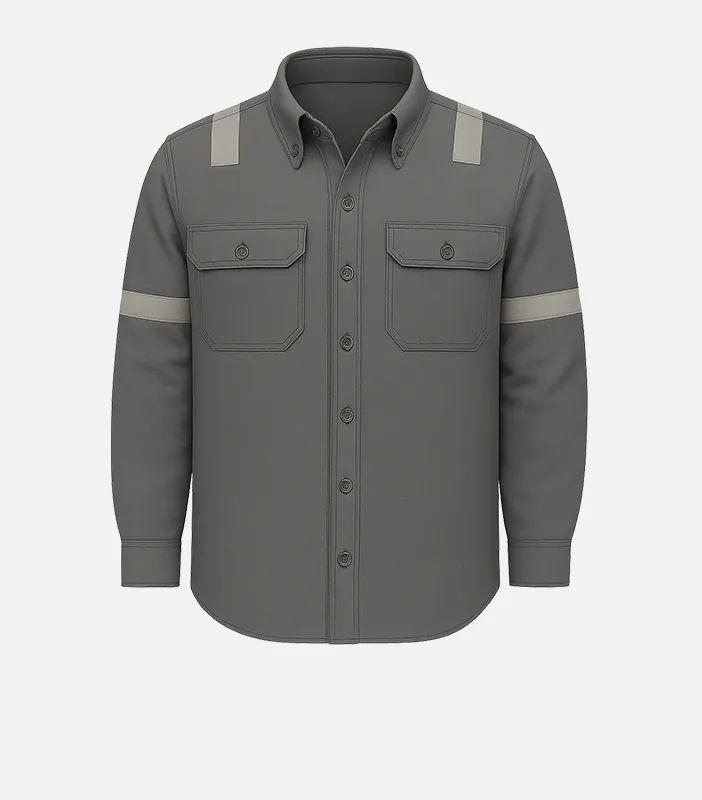
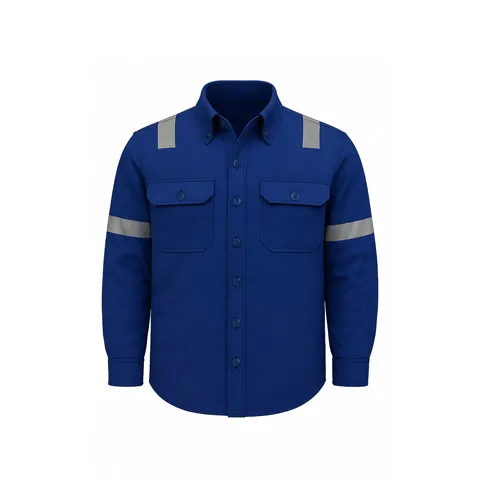
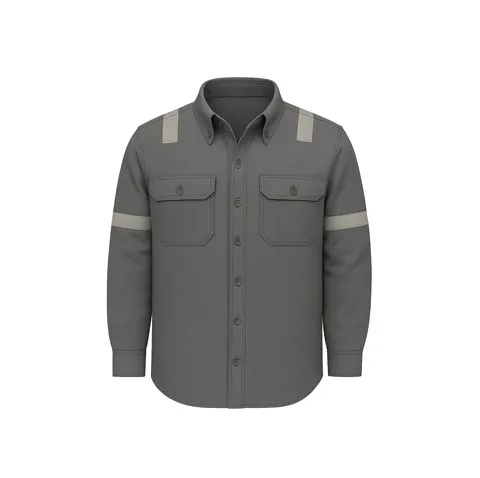
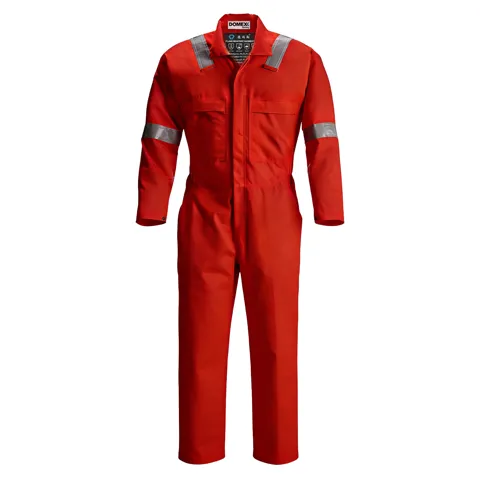
Reflective tape should be selected and applied carefully so that it supports visibility without affecting the garment’s arc protection performance.
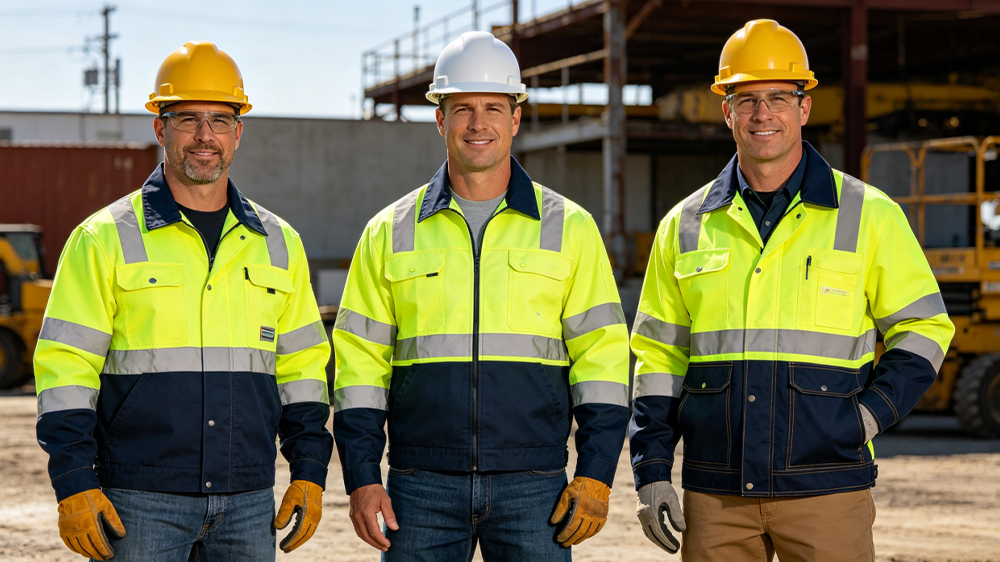
Modacrylic and aramid blend fabrics are widely used in arc rated clothing because they offer a good balance of protection, durability, breathability, and weight. They are often suitable for workers who need reliable performance during long daily use.
Flame resistant cotton can be a practical option for low-to-medium risk environments. It is generally comfortable and cost-effective, but its performance and wash durability depend on the fabric structure and treatment technology.
For hot and humid regions, lightweight FR blends may improve wearer comfort. These fabrics are often selected for outdoor maintenance, substation construction, and summer fieldwork where heat stress is a concern.
Good fabric alone is not enough. The garment structure also affects protection, comfort, and service life.
Long sleeves and full-length trousers for better coverage
Stand-up collar to reduce exposed skin
Reinforced stitching at stress points
Arc rated zippers, buttons, and sewing thread
Comfortable fit that allows bending, climbing, and tool handling
Ventilation design where permitted by the garment standard
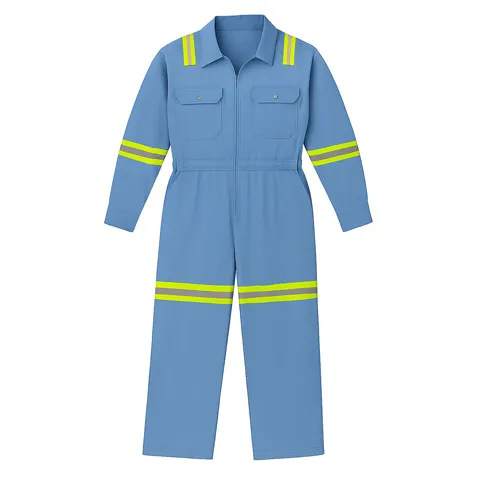
Reflective tape placement for low-light visibility
For utility teams, pocket design should also match daily tools such as radios, gloves, meters, and small maintenance equipment.
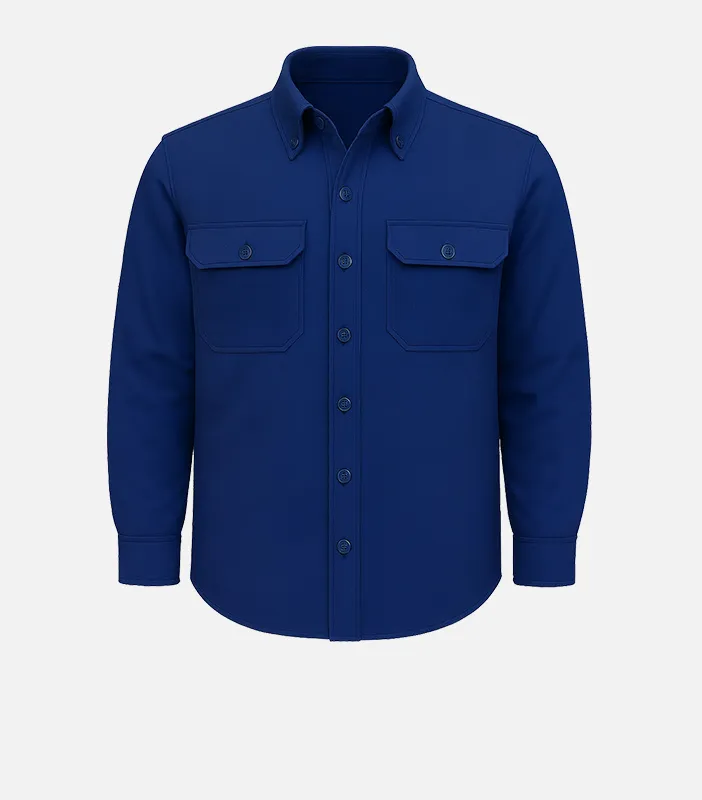
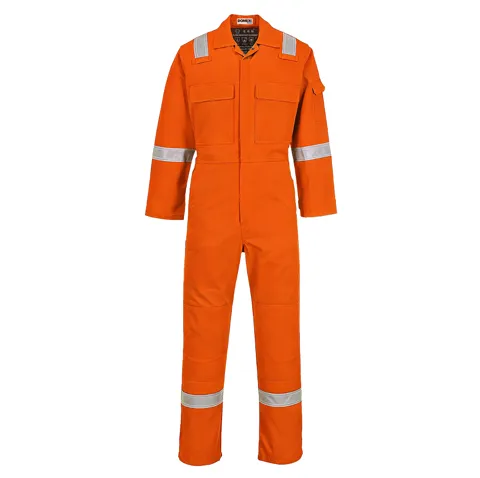
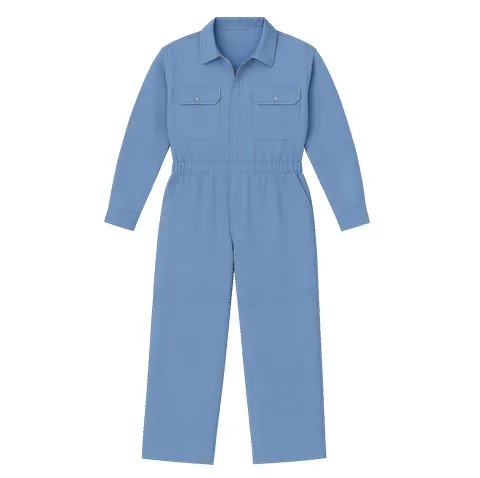
For mild weather, lightweight AR coveralls or two-piece jacket and trouser sets are commonly used. Breathable FR fabrics, practical pockets, and reflective tape can support general maintenance, patrol work, and indoor switchgear tasks.
In hot environments, heat stress becomes a real concern. Lightweight arc rated shirts and trousers made with breathable, moisture-managing fabrics are often preferred. UPF protection may also be useful for outdoor line work.
Cold-region utility work may require insulated AR jackets, parkas, and trousers. The outer layer should provide wind and water resistance, while the inner layer should maintain thermal comfort without compromising flame resistant performance.
Rainy or Wet Conditions
For storm repair or wet substation inspections, arc rated rainwear may be needed over suitable AR base layers. Sealed seams, waterproof membranes, and reflective elements help improve protection and visibility in poor weather.
Before placing bulk orders, buyers should review test reports, certification documents, fabric specifications, and garment labels. Reports from qualified third-party laboratories provide better traceability and confidence.
A complete size range helps workers maintain proper coverage and comfort. For large teams, suppliers should support regular, tall, and short options where needed.
Sample testing is important for confirming fit, fabric hand feel, stitching quality, pocket placement, and wearer comfort. A short wear trial can help reduce problems after bulk delivery.
Power utility projects often require repeat orders. Buyers should evaluate whether the supplier can maintain consistent fabric quality, color, sizing, and delivery schedules over time.
Logo embroidery, employee ID labels, department colors, and tool pocket designs can be useful, but all customization should be compatible with FR and AR requirements.
Power utility workwear must balance arc flash protection, flame resistance, comfort, visibility, and durability. The right garment should be selected according to the actual hazard level, working climate, job task, and applicable safety standards.
For procurement teams, reliable certification, consistent production quality, suitable sizing, and after-sales support are just as important as price.
DOMEX focuses on the design and innovation of specialized protective apparel, with deep expertise in core safety technologies such as flame resistance and anti-static protection. We provide safe and reliable professional protective solutions for the industrial, electrical, oil, and chemical sectors, and are committed to becoming a globally trusted protective brand.