English
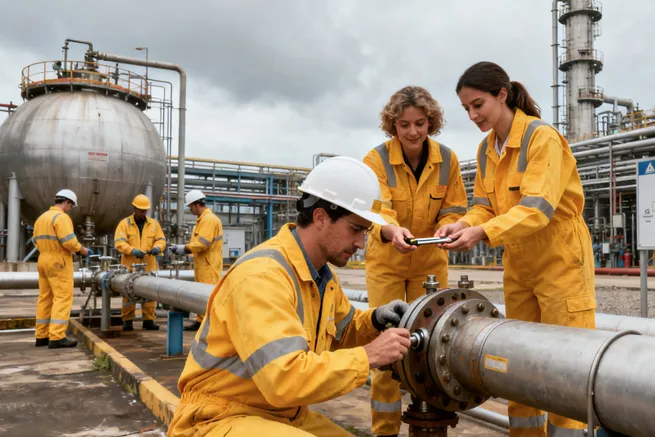
Personal Protective Equipment (PPE) is a critical part of workplace safety across many industries. From construction sites to oil and gas facilities, PPE helps protect workers from a wide range of hazards.
Understanding what PPE is—and how it is used—can help companies improve safety, reduce risks, and ensure compliance with industry standards.
PPE (Personal Protective Equipment) refers to protective clothing and equipment designed to reduce exposure to workplace hazards.
Common PPE includes:
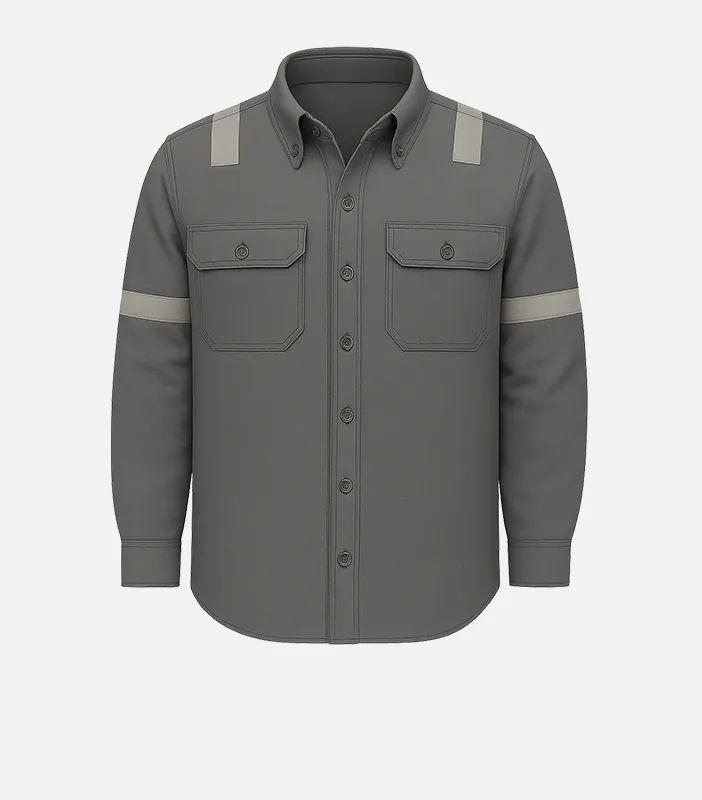
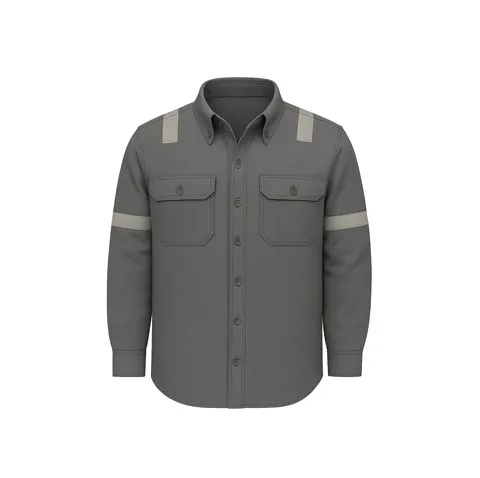
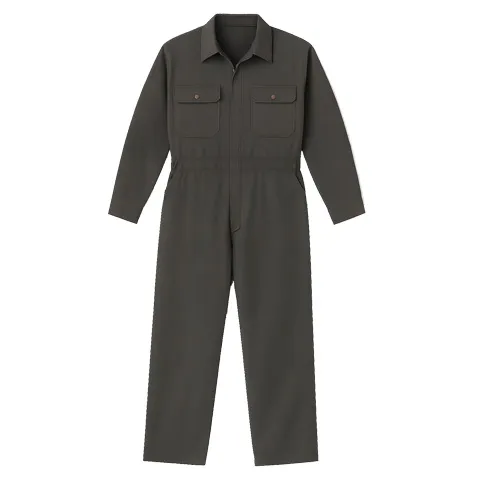
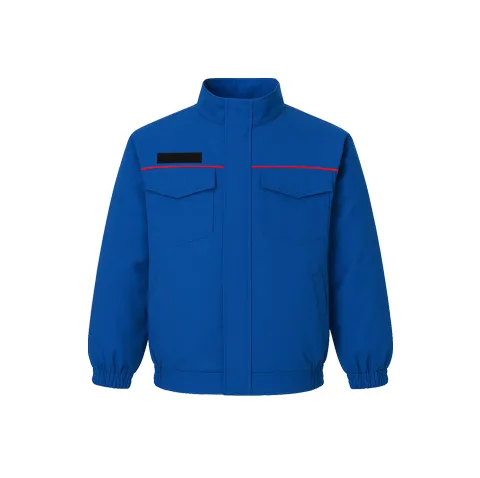
Protective clothing
Helmets and gloves
Safety footwear
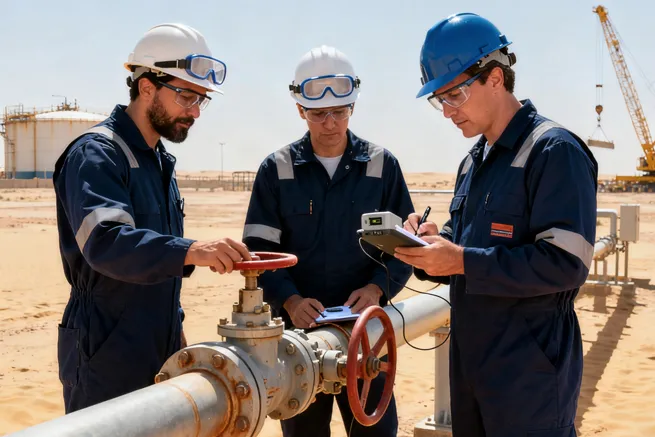
Eye and face protection
PPE is the last line of defense when hazards cannot be eliminated.
Workplace hazards can cause serious injuries if not properly controlled.
PPE helps:
Reduce the risk of injury
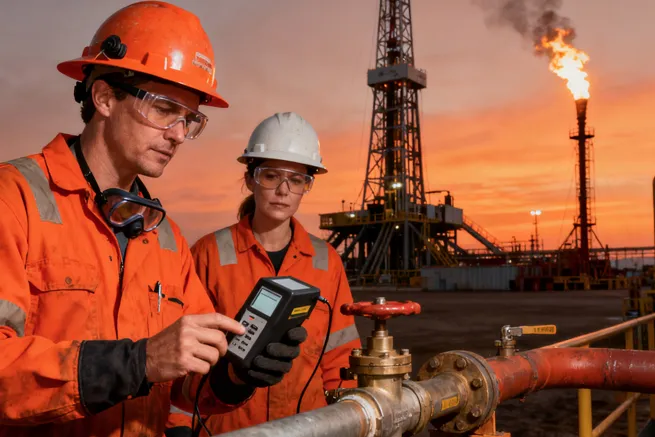
Protect against heat, flame, and electrical hazards
Improve worker safety in high-risk environments
Support compliance with safety regulations
Using the right PPE is essential for maintaining a safe workplace.
Different industries require different types of protective equipment.
PROTECTIVE CLOTHING
Flame-resistant (FR) clothing
Arc-rated workwear
Anti-static garments
High-visibility clothing
HEAD PROTECTION
Safety helmets
Hard hats
HAND PROTECTION
Protective gloves
Chemical-resistant gloves
FOOT PROTECTION
Safety shoes
Steel-toe boots
EYE AND FACE PROTECTION
Safety goggles
Face shields
PPE must meet recognized standards to ensure performance.
Common standards include:
EN ISO 11612 – Flame-resistant clothing
NFPA 70E – Electrical safety
EN ISO 20471 – High-visibility clothing
EN 1149-5 – Anti-static workwear
These standards ensure that PPE is tested and reliable.
PPE is essential in many industries, including:
Oil & gas
Construction
Electrical utilities
Manufacturing
Chemical processing
In these environments, PPE plays a key role in protecting workers.
While PPE is important, it has limitations.
PPE:
Does not eliminate hazards
Must be used correctly
Requires proper maintenance
It should be part of a complete safety system.
To ensure effectiveness:
Inspect equipment regularly
Follow cleaning instructions
Replace damaged items
Store properly
Proper maintenance extends the lifespan of PPE.
PPE is a fundamental part of workplace safety. By understanding its role and selecting the right equipment, companies can significantly reduce risks and protect workers in hazardous environments.
Investing in high-quality PPE is an investment in safety, efficiency, and long-term performance.