English
In many industrial workplaces, workers face daily exposure to hazards such as flash fires, arc flashes, sparks, and extreme heat. In these environments, standard clothing can ignite quickly and increase the severity of burn injuries.
Flame-resistant personal protective equipment (FR PPE) is specifically designed to reduce these risks by resisting ignition and limiting flame spread. Industries where thermal hazards are common rely on FR workwear—including jackets, pants, and coveralls—to protect workers and maintain safety compliance.
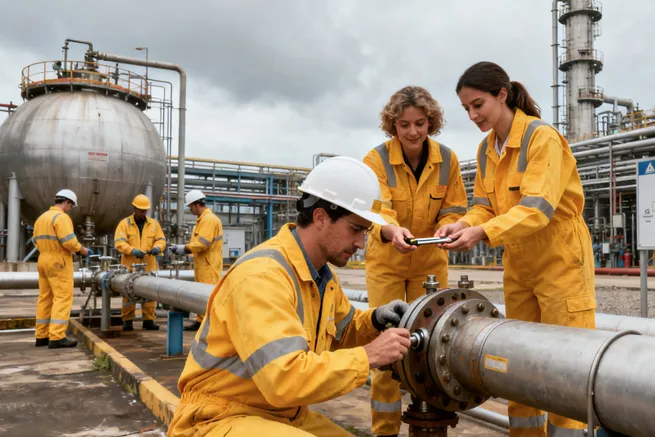
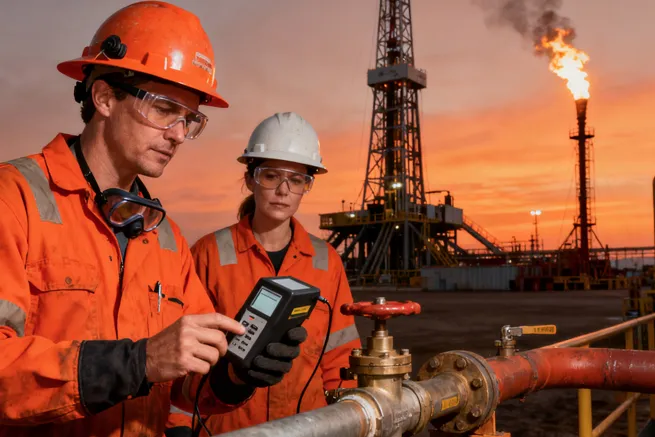
The oil and gas sector is one of the most well-known industries requiring flame-resistant PPE. Workers on drilling rigs, refineries, and petrochemical plants regularly handle flammable liquids and gases.
Flash fires can occur unexpectedly during operations such as drilling, refining, or fuel transfer. Flame-resistant clothing helps minimize burn injuries by self-extinguishing when exposed to flames.
Typical FR PPE used in this industry includes:
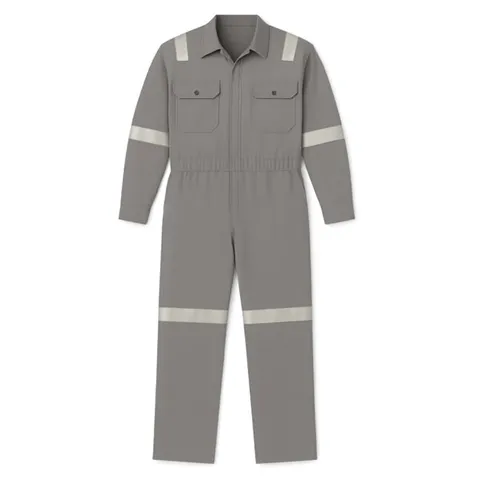
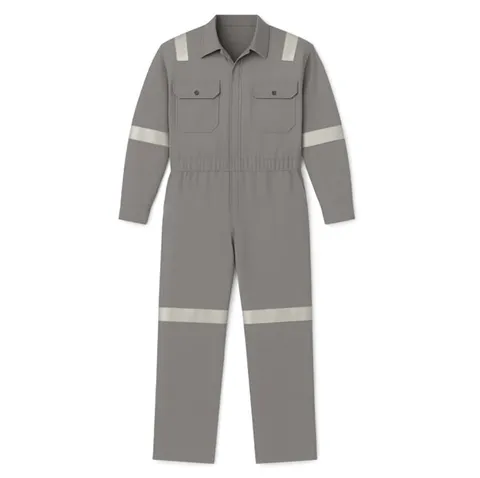
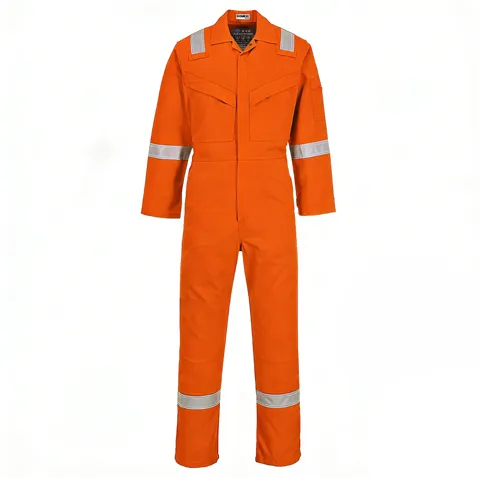
FR coveralls for full-body protection
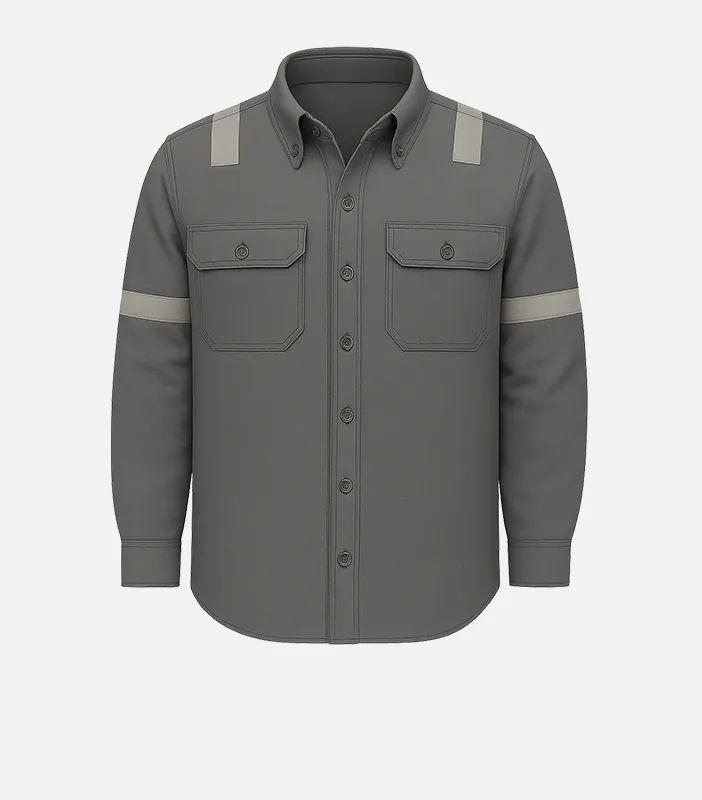
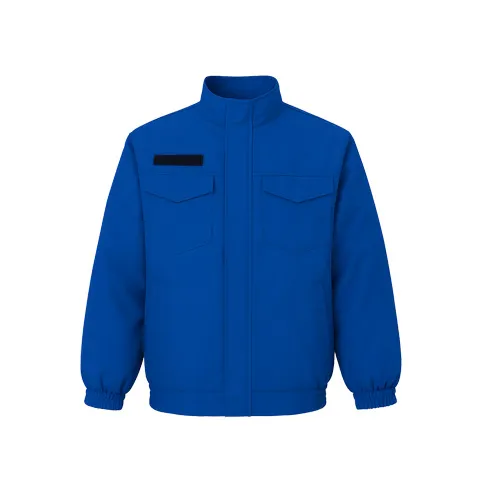
Flame-resistant jackets for outdoor environments
Anti-static FR garments to reduce ignition risk in explosive atmospheres
Electrical workers face the serious hazard of arc flash incidents, which can generate extremely high temperatures in milliseconds.
Arc-rated flame-resistant clothing helps protect workers from the intense thermal energy released during electrical faults. These garments are typically tested according to standards such as:
ASTM F1506 – Arc-rated fabrics for electrical workers
NFPA 70E – Electrical safety in the workplace
IEC 61482-2 – Arc flash protective clothing
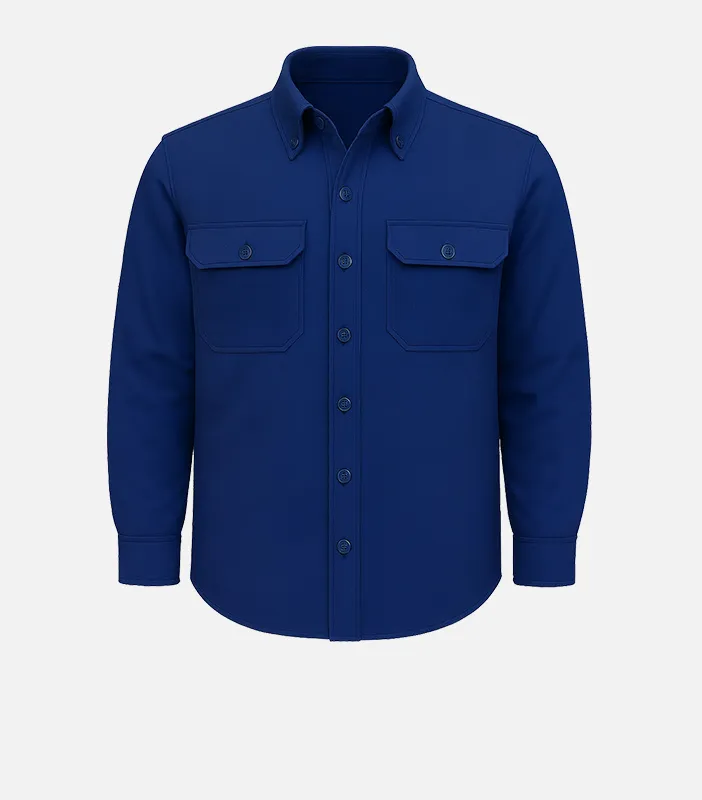
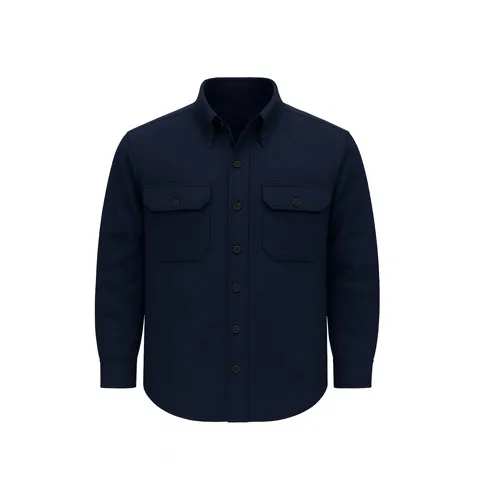
Common FR PPE in electrical environments includes arc-rated shirts, jackets, and coveralls.
Welders and metalworkers are constantly exposed to sparks, molten metal, and high temperatures. Standard clothing can easily catch fire or melt when exposed to these hazards.
FR clothing designed for welding environments provides protection against:
Sparks and hot metal splashes
High radiant heat
Short-duration flame exposure
Many welding garments are tested under EN ISO 11611, a standard specifically designed for welding protective clothing.
Chemical plants and petrochemical facilities often handle flammable chemicals and vapors. A small ignition source in these environments can lead to flash fires or explosions.
FR workwear combined with anti-static protection helps reduce the risk of electrostatic discharge, which could otherwise ignite hazardous atmospheres. Protective clothing used in these environments often complies with:
EN ISO 11612 – Heat and flame protection
EN 1149-5 – Anti-static protective clothing
Mining operations and heavy industrial manufacturing involve high heat, sparks, and combustible materials. Workers in these sectors benefit from flame-resistant garments that provide durable protection during demanding physical tasks.
Typical FR PPE used in these environments includes durable FR jackets, industrial FR pants, and heavy-duty coveralls designed for long shifts and harsh working conditions.
Construction workers and industrial maintenance teams often perform tasks that involve cutting, grinding, welding, and working near energized electrical systems. These activities can produce sparks or flash hazards.
FR clothing helps reduce the risk of burn injuries and provides an additional layer of protection for workers performing high-risk maintenance tasks.
Flame-resistant PPE plays a critical role in protecting workers across many industries where heat, fire, and electrical hazards are present. From oil and gas operations to electrical utilities and heavy manufacturing, properly certified FR workwear helps reduce injury risks and supports workplace safety programs.
Choosing high-quality flame-resistant garments that meet international safety standards ensures workers remain protected in demanding industrial environments.