English
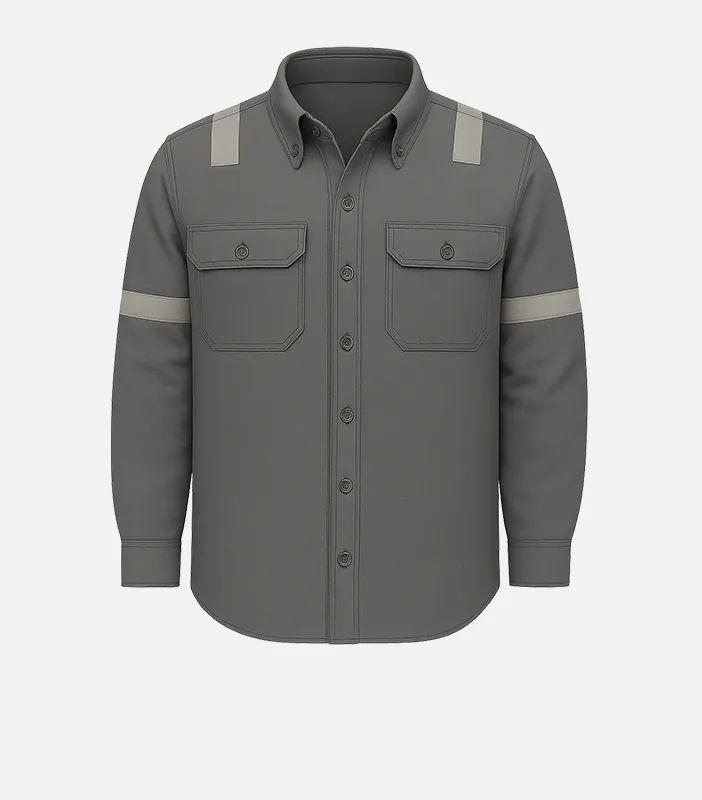
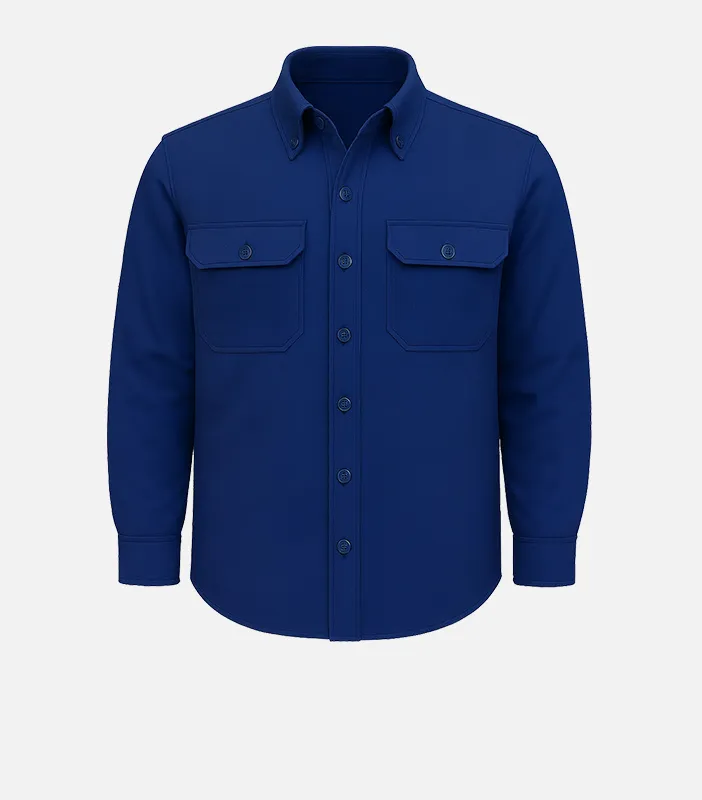
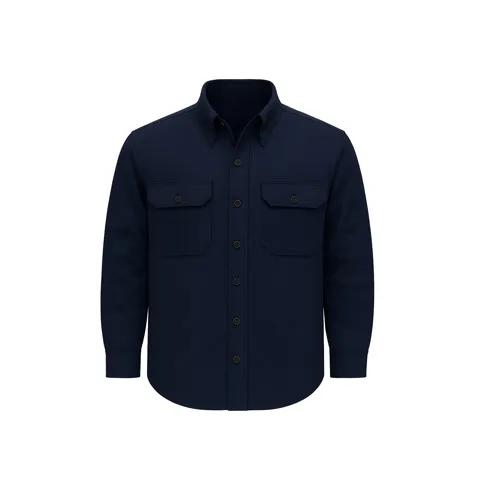
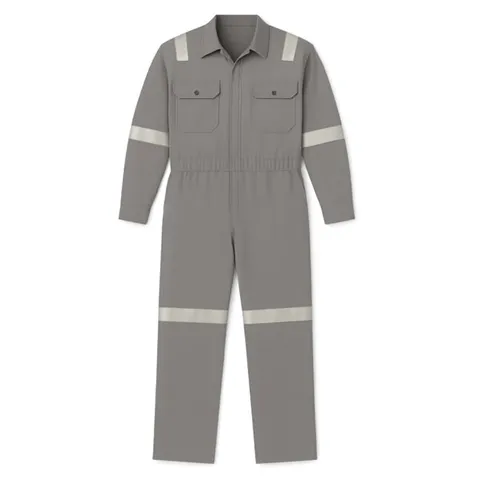
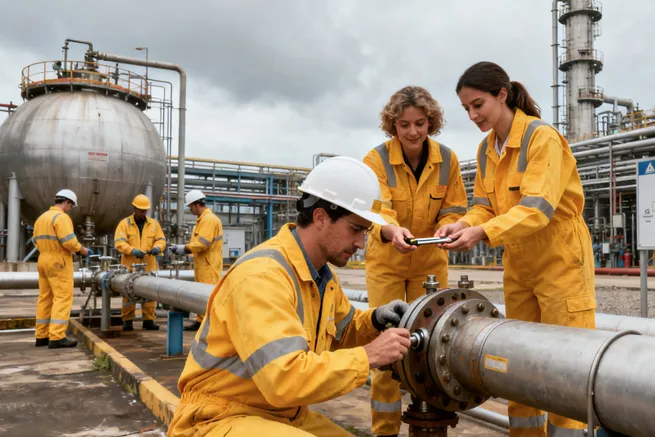
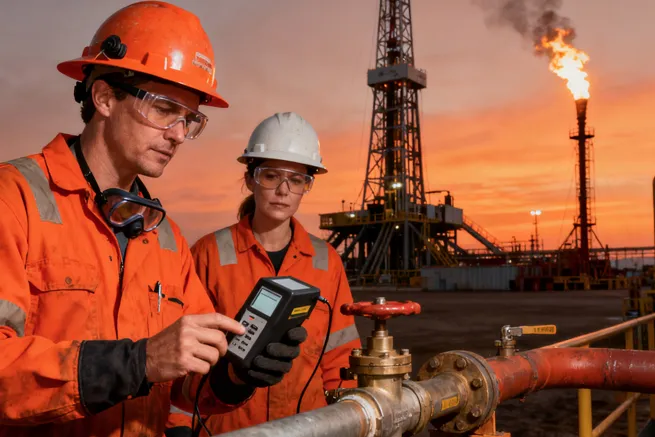
In high-risk industries such as oil & gas, electrical utilities, petrochemical processing, and heavy manufacturing, protective clothing is a critical safety barrier. Flame-resistant (FR) workwear is designed to reduce the risk of severe burn injuries when workers are exposed to flash fires, arc flashes, or extreme heat.
However, not all FR clothing is created equal. High-quality FR workwear combines advanced fabrics, certified safety standards, and ergonomic design to provide reliable protection while maintaining comfort and durability for demanding work environments.
The most important feature of high-quality FR workwear is its ability to resist ignition and self-extinguish when exposed to flames or high heat.
Unlike regular fabrics that can melt or continue burning, FR fabrics are engineered to:
Resist catching fire when exposed to sparks or flames
Self-extinguish once the ignition source is removed
Reduce heat transfer to the wearer’s skin
These properties significantly reduce burn injuries during industrial accidents involving fire or high temperatures.
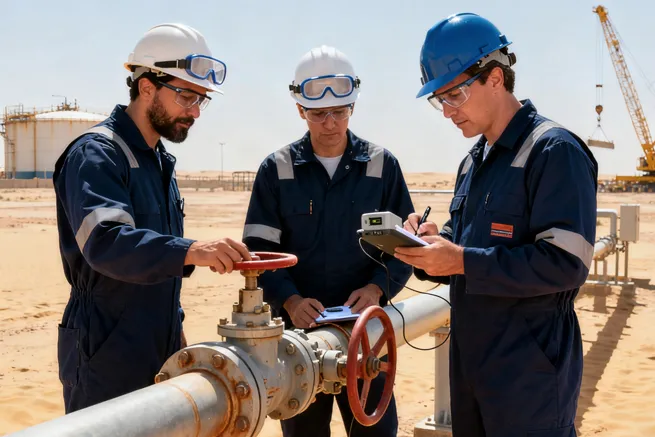
Electrical arc flashes can generate extremely high temperatures within milliseconds. High-quality FR workwear designed for electrical environments often includes arc-rated protection, helping to reduce thermal energy reaching the body during an arc flash incident.
Arc-rated garments are typically tested according to standards such as:
ASTM F1506 – Arc-rated fabrics for electrical workers
NFPA 70E – Electrical safety requirements for PPE
IEC 61482-2 – Arc flash protective clothing
These standards ensure that protective garments provide reliable performance in electrical hazard environments.
Industrial workwear must withstand demanding conditions such as frequent washing, abrasion, and heavy physical work. High-quality FR garments are made with durable fabrics designed to maintain their protective properties over time.
Two common types of FR fabrics include:
Inherently Flame-Resistant Fabrics
Protection is built into the fiber itself and does not wash out over time.
Treated Flame-Resistant Fabrics
Standard fibers treated with flame-resistant chemicals to provide protection.
Both types can deliver effective protection when manufactured to meet recognized safety standards.
Protective clothing must not only be safe but also comfortable enough for workers to wear throughout long shifts. High-quality FR workwear is designed with:
Breathable fabric construction
Ergonomic garment design
Flexible movement for demanding tasks
Lightweight materials that reduce fatigue
Comfortable protective clothing improves worker compliance and productivity in hazardous environments.
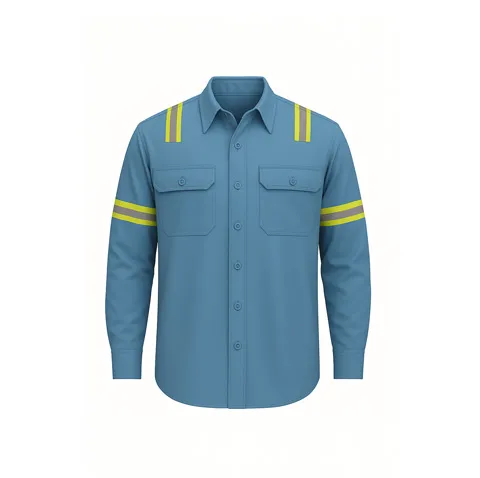
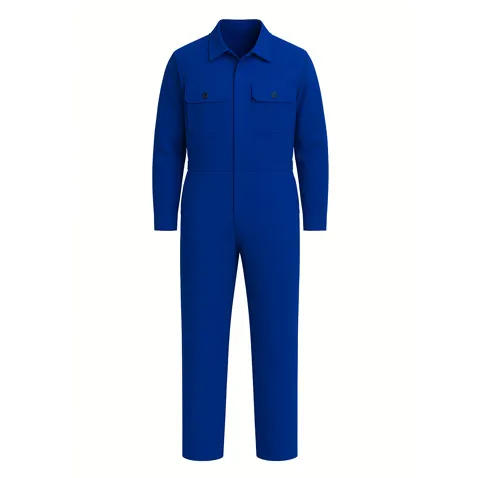
Well-designed FR garments also include practical features that support industrial work tasks, such as:
Reinforced stitching for durability
Multiple functional pockets
Heavy-duty zippers and closures
Adjustable cuffs and waist design
These design elements help ensure garments perform reliably in daily industrial use.
High-quality FR workwear must comply with internationally recognized safety standards that define protective performance.
Common standards for flame-resistant clothing include:
EN ISO 11612 – Protection against heat and flame
NFPA 2112 – Flash fire protective clothing
ASTM F1506 – Arc-rated clothing for electrical workers
EN 1149-5 – Anti-static protective clothing
Compliance with these standards ensures garments meet strict safety and testing requirements.
High-quality flame-resistant workwear is an essential part of industrial safety programs. By combining certified protection, durable fabrics, ergonomic design, and practical functionality, FR clothing helps protect workers from serious hazards while supporting productivity in demanding work environments.
Choosing the right protective workwear is not just about comfort or style—it is about ensuring reliable protection where safety matters most.