English
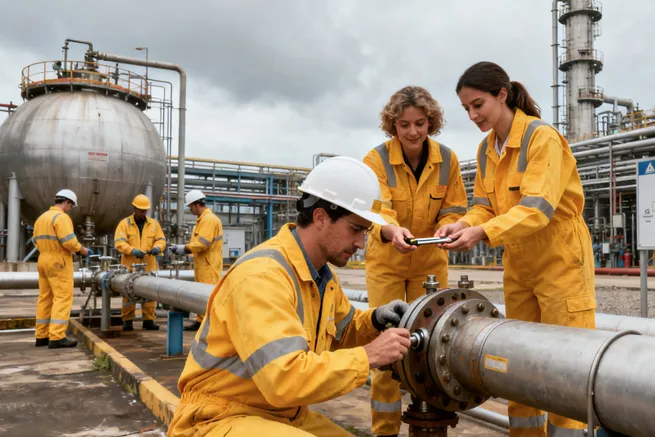
Static electricity may seem harmless, but in explosive or flammable environments, a single spark can trigger disaster. That’s why EN 1149-5 plays a critical role in protecting workers through properly designed anti-static garments.
EN 1149-5 is the European standard that specifies performance requirements for electrostatic dissipative clothing. It ensures fabrics can safely discharge static electricity, reducing ignition risks in industries such as oil & gas, chemicals, fuel storage, and manufacturing.
This standard works together with EN 1149-3 (test method) to confirm fabric performance.
In high-risk workplaces, sparks caused by static buildup can lead to:
Fires or explosions
Damage to sensitive electronic equipment
Worker injuries
Certified EN 1149-5 garments help prevent these hazards by ensuring controlled static dissipation. High-quality IFR clothing not only provides inherent flame resistance but also maintains reliable static control in electrically sensitive environments.
To meet this standard, anti static workwear must:
Use conductive fibers or carbon grids to dissipate charge
Cover the body sufficiently to prevent spark discharge
Be worn with anti-static footwear and accessories for full-body protection
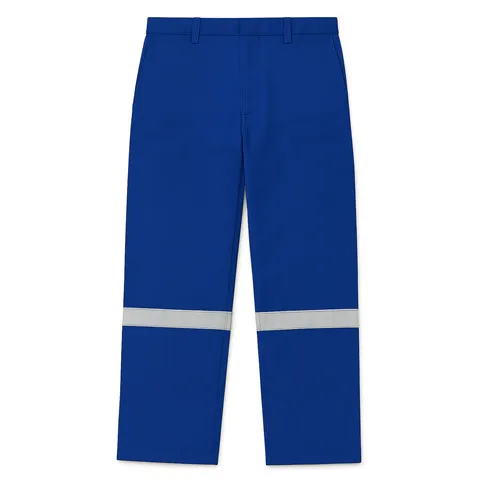
Selecting arc flash pants and multi-standard garments ensures that both upper and lower body remain protected, providing consistent ESD and thermal protection during daily operations.
At DOMEX Safety, we offer anti-static workwear designed and tested according to:
EN 1149-5
EN ISO 11612 (heat & flame)
IEC 61482-2 (arc flash)
NFPA 70E (electrical safety)
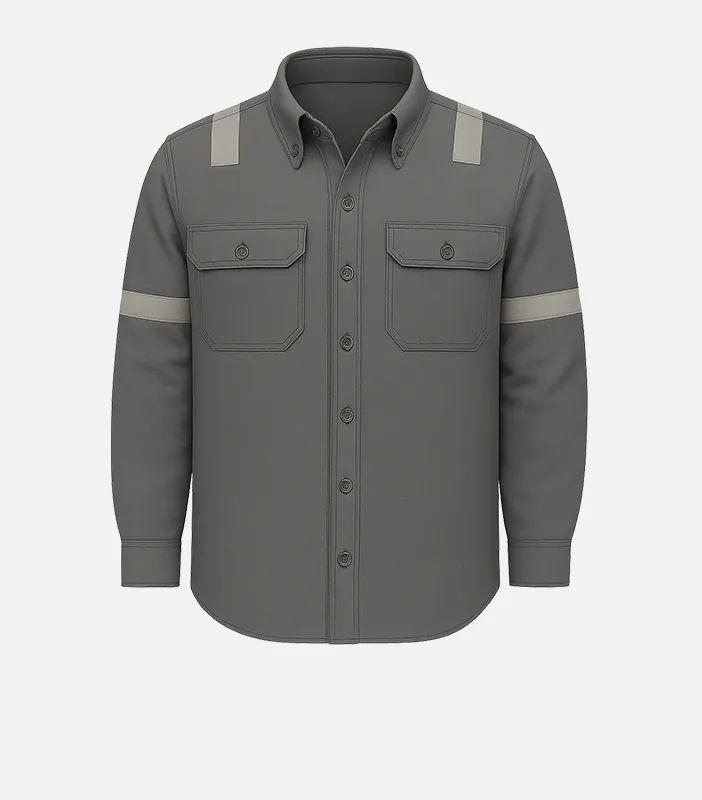
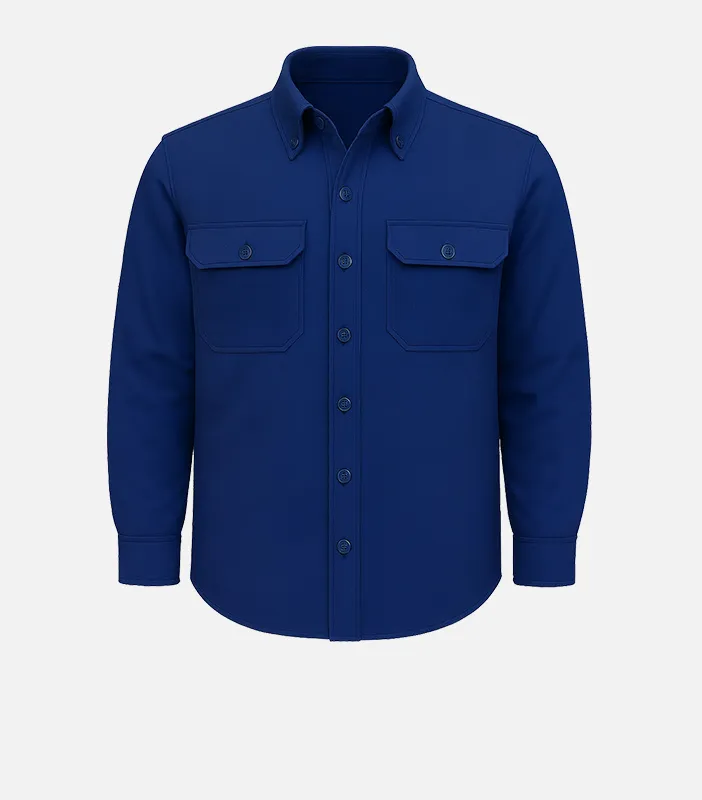
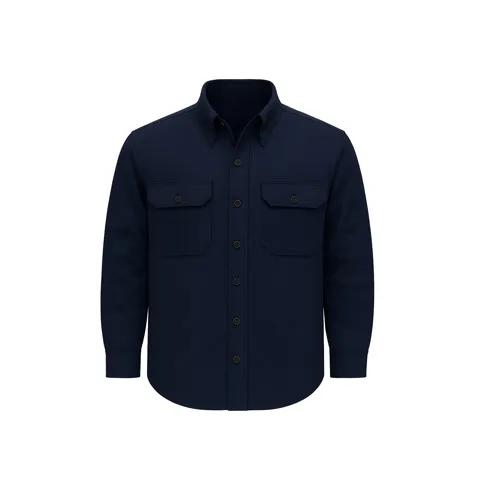
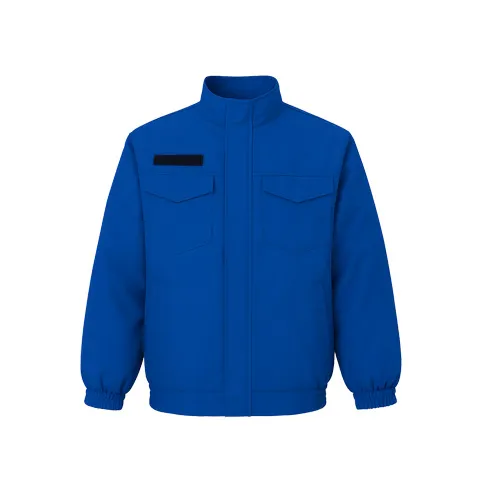
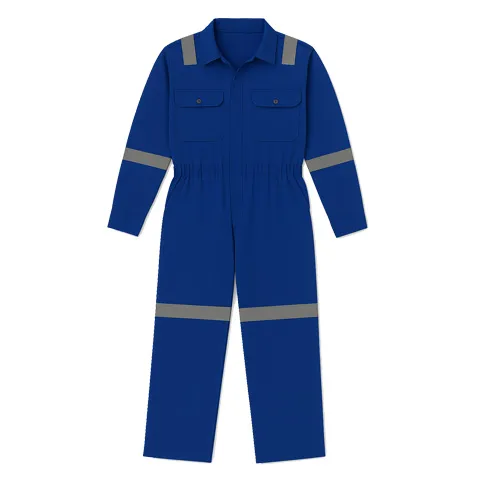
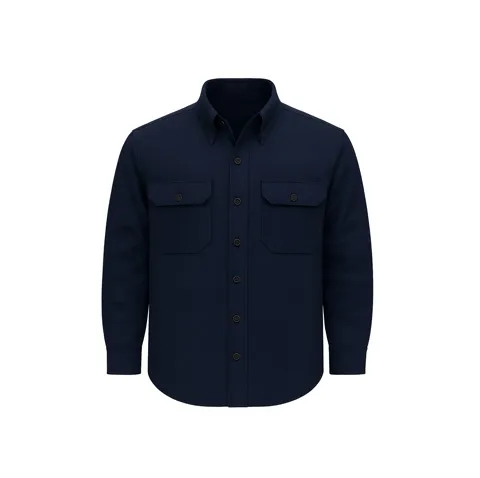
Our anti-static FR coveralls, shirts, and trousers provide dual or multi-standard protection, trusted by global clients in oil & gas, petrochemical, electrical utilities, and manufacturing.
EN 1149-5 is essential for ensuring safe, reliable anti-static garments in hazardous workplaces. By choosing certified workwear, companies significantly reduce the risk of static discharge accidents—and strengthen worker safety.