English
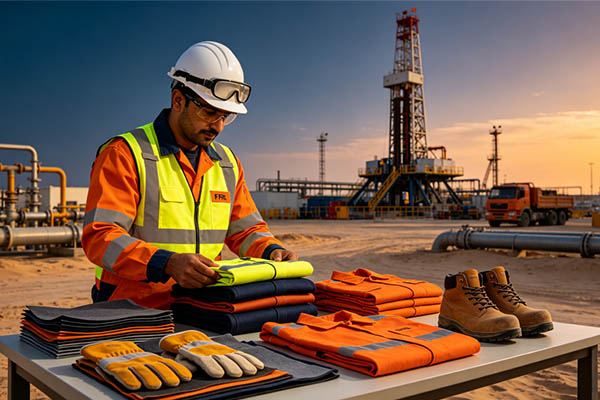
The UAE is one of the most important oil and gas markets in the Middle East, with large-scale operations covering exploration, refining, petrochemical production, offshore platforms, and industrial construction projects.
In these environments, workers may face risks from flash fire, heat exposure, electrical hazards, and static discharge. Selecting suitable flame resistant (FR) workwear is therefore an essential part of industrial safety management.
For companies sourcing PPE for UAE oil and gas projects, the key challenge is finding a balance between safety compliance, worker comfort, durability, and supply reliability.
This guide explains the main factors to consider when selecting FR workwear suppliers for UAE industrial applications.
The UAE oil and gas industry includes demanding working conditions such as:
Offshore platforms
Refineries
Petrochemical plants
Oilfield maintenance
Industrial construction projects
Workers may be exposed to:
Hydrocarbon gases and flammable vapors can create sudden fire risks.
FR garments help by:
Resisting ignition
Reducing flame spread
Providing additional protection during short-duration thermal exposure
In fuel handling and petrochemical environments, static discharge can become an ignition source.
Anti-static properties are commonly required for workwear used in hazardous areas.
UAE temperatures can exceed 40°C during summer.
Workers often wear protective clothing for long shifts, making comfort a critical consideration.
Suitable workwear should provide:
Lightweight fabric options
Breathability
Freedom of movement
UAE projects may follow international PPE standards depending on client and project requirements.
Common standards include:
NFPA 2112 is widely recognized for industrial flash fire protective clothing.
It evaluates:
Fabric flame resistance
Heat protection performance
Complete garment construction
It is commonly specified for oil and gas applications.
A widely used international standard for protection against heat and flame.
It covers:
Limited flame spread
Convective heat
Radiant heat
Molten metal splash
Required for garments where electrostatic control is important.
Common applications include:
Petroleum processing
Fuel storage
Chemical operations
For electrical maintenance activities where arc flash protection is required.
Because of the UAE's hot and dry climate, fabric selection requires careful consideration.
Suitable for:
General industrial workers
Lower-risk applications
Long outdoor shifts
Advantages:
Soft hand feel
Comfortable wearing experience
Good moisture absorption
A popular choice for many industrial projects.
Advantages:
Good balance between protection and comfort
Better abrasion resistance
Suitable for repeated industrial washing
Common applications:
Oilfield workers
Maintenance teams
Petrochemical operations
Suitable for higher-risk environments.
Advantages:
Permanent flame resistance
Good thermal protection
Long service life
Often selected for specialized positions requiring higher protection levels.
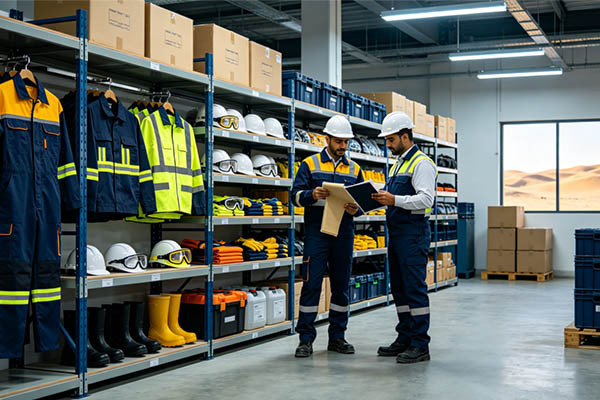
Selecting the right fabric is only part of the solution. Garment design also affects safety and comfort.
For hot climates, consider:
Lightweight construction
Comfortable fitting
Proper ventilation design
This helps workers wear PPE correctly throughout the shift.
Oil and gas workers often perform physically demanding tasks.
Recommended features:
Reinforced seams
Strong stitching
Durable zippers
Stress-point reinforcement
Depending on project requirements:
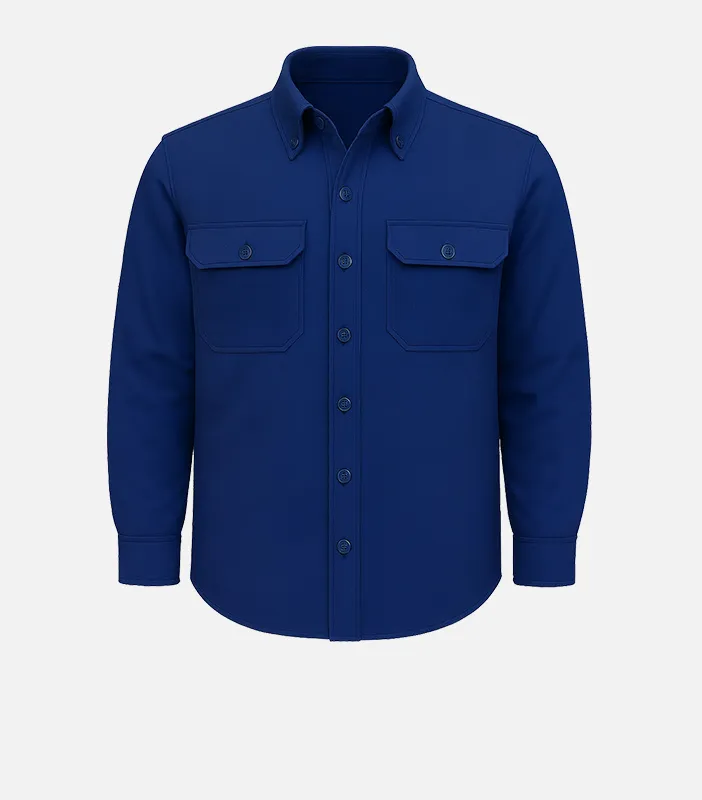
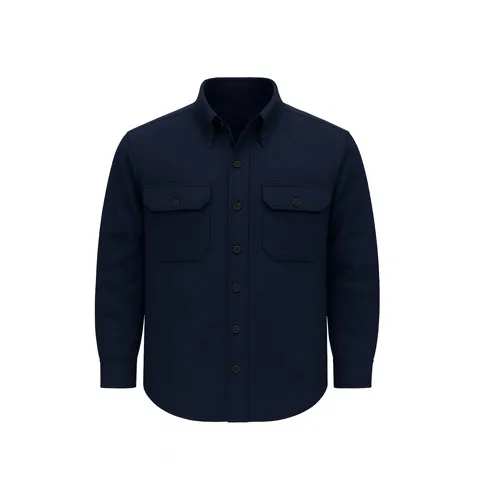
Chest pockets
Tool pockets
Radio holders
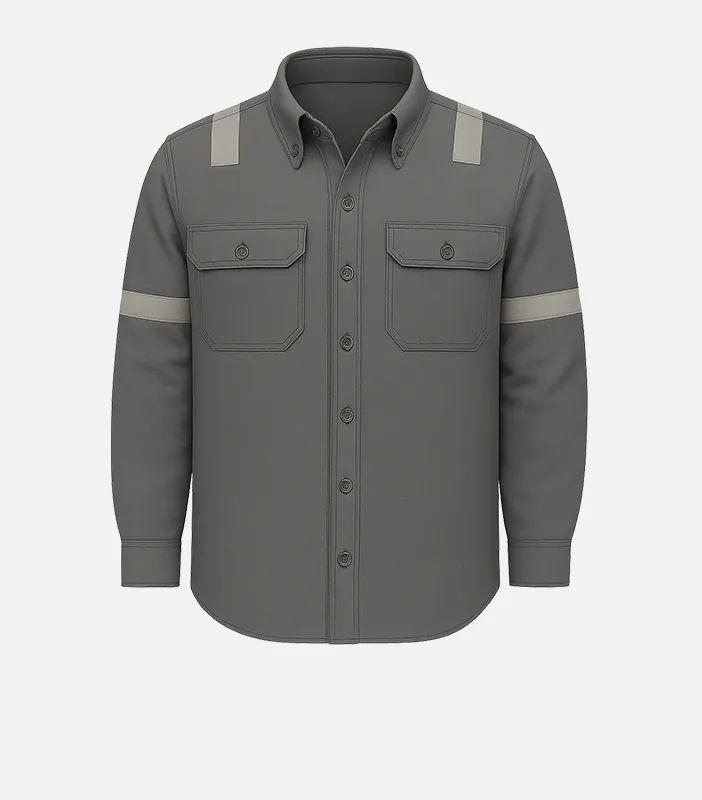
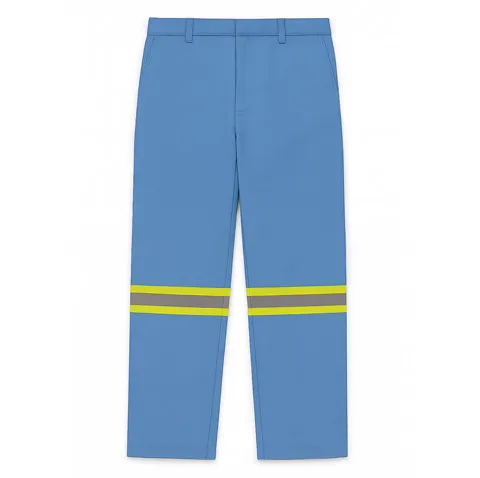
Reflective strips
can improve daily working efficiency.
When evaluating suppliers, buyers should focus on more than price.
A professional supplier should provide:
Fabric test reports
Certification documents
Product specifications
Quality records
For oil and gas projects, suppliers should understand:
Industrial garment requirements
International standards
Export procedures
Customization needs
Large projects often require continuous supply.
Important factors include:
Production capacity
Repeat order capability
Consistent quality between batches
A thicker fabric does not always mean better protection.
The correct choice depends on:
Hazard level
Working temperature
Shift duration
Low-priced garments may result in:
Faster replacement
Poorer comfort
Higher long-term cost
Many oil and gas projects require:
Specific colors
Company logos
Customized designs
Special size ranges
These requirements should be confirmed before bulk production.
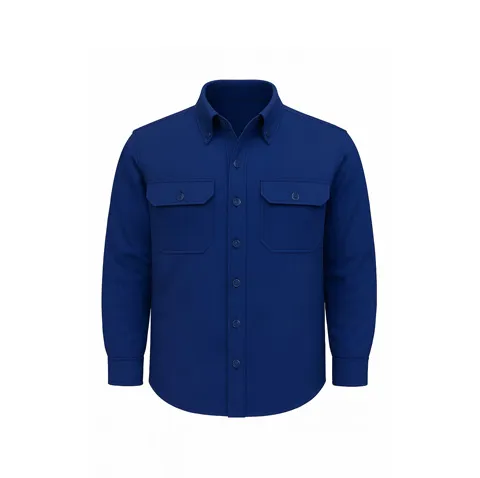
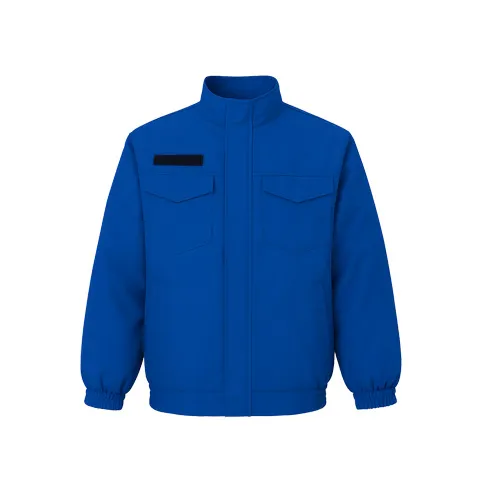
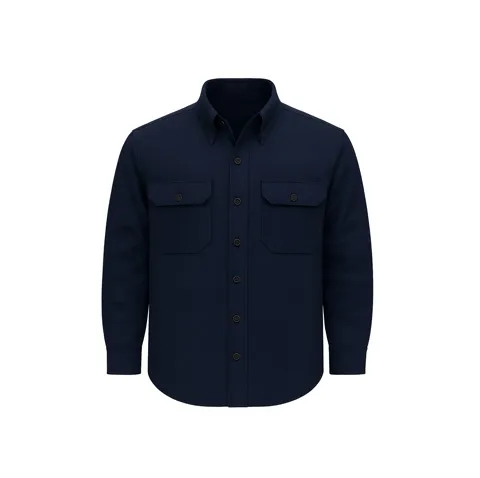
DOMEX Safety provides customized protective clothing solutions for international industrial customers.
Our products include:
Flame resistant coveralls
Anti-static workwear
Arc-rated protective clothing
High visibility industrial garments
We support UAE and Middle East customers with:
Professional fabric selection
Customized garment development
Stable production management
Export experience
Our goal is to provide reliable protective workwear solutions that combine safety performance, comfort, and practical value.
Choosing FR workwear for UAE oil and gas projects requires a complete evaluation of safety standards, fabric performance, climate conditions, and supplier capability.
A reliable PPE supplier should not only provide compliant products but also understand the practical challenges faced by workers in demanding industrial environments.
The right workwear solution helps companies improve worker protection, maintain project requirements, and build a long-term safety supply chain.