English
In industrial sectors such as oil & gas, utilities, and manufacturing, standard protective clothing is often not enough. Companies increasingly require customized flame-resistant (FR) workwear that matches their branding, operational needs, and safety requirements.
Customized FR garments not only enhance worker protection but also improve brand identity, team consistency, and project compliance.
Customized FR workwear refers to protective clothing designed and manufactured according to specific project, brand, or operational requirements.
This can include:
Fabric selection based on hazard level
Custom colors and branding
Functional design modifications
Compliance with specific safety standards
One solution tailored to your exact working environment.
Every industrial project has unique requirements. Standard garments may not fully meet:
Specific safety regulations
Corporate branding guidelines
Environmental conditions
Worker comfort needs
Customized FR workwear allows companies to align protection with real-world demands.
Fabric selection is the foundation of customized protective clothing.
Key considerations include:
Flame-resistant performance (FR)
Arc flash protection (AR rating if required)
Anti-static properties for hazardous areas
Fabric weight for climate conditions
Different projects may require different fabric compositions to balance protection, durability, and comfort.
Brand identity plays an important role in industrial uniforms.
Customization options include:
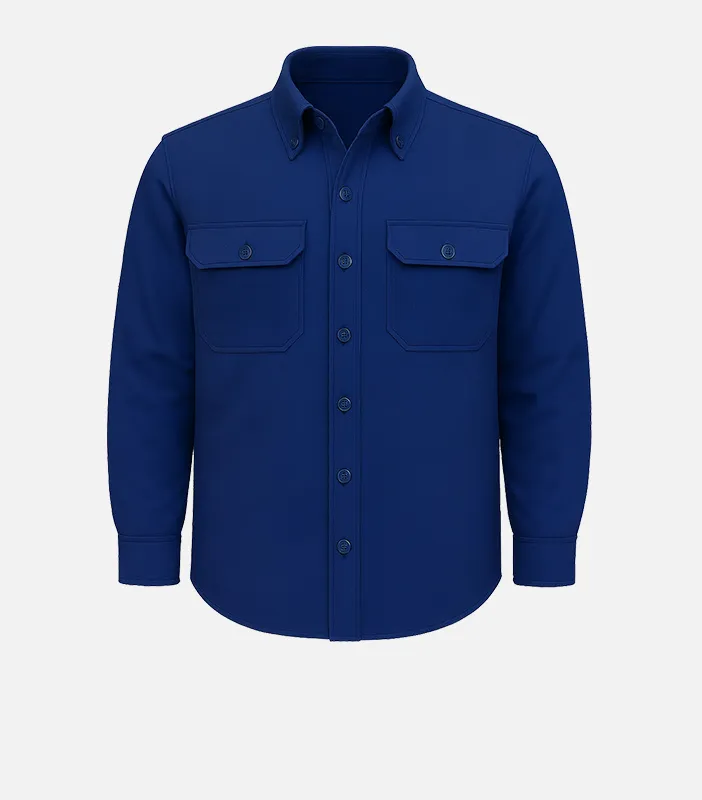
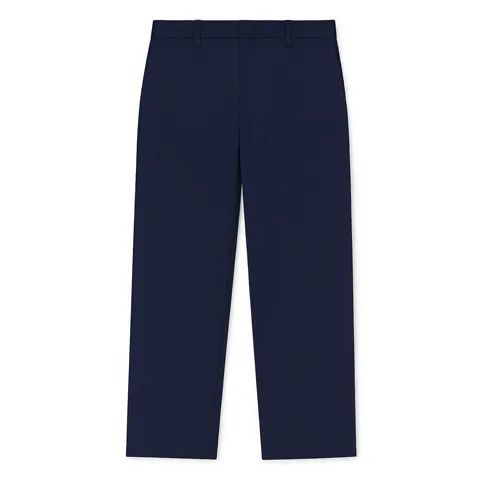
Company color matching (Pantone reference)
Logo embroidery or printing
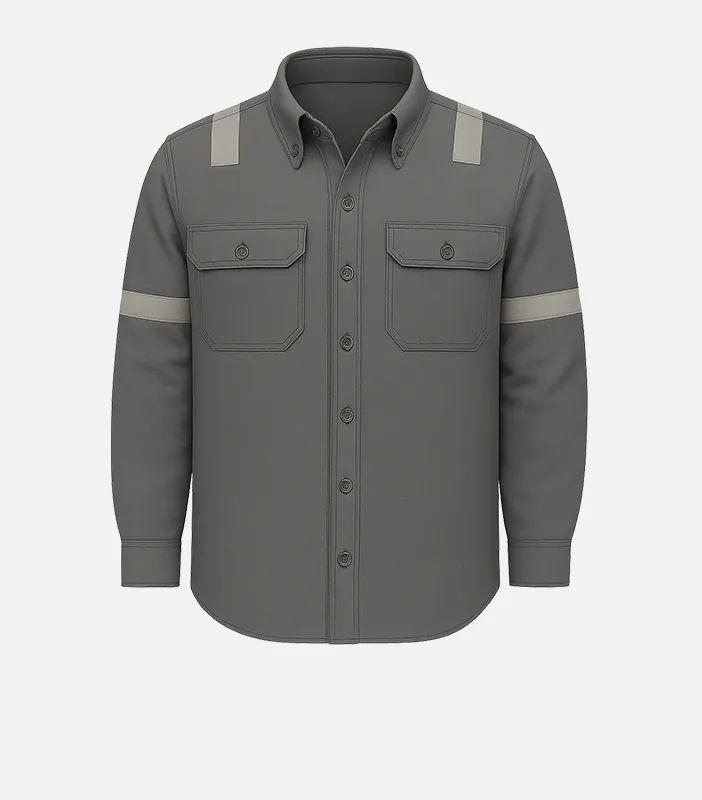
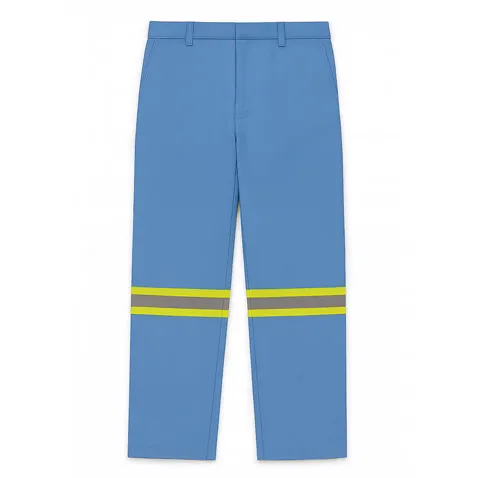
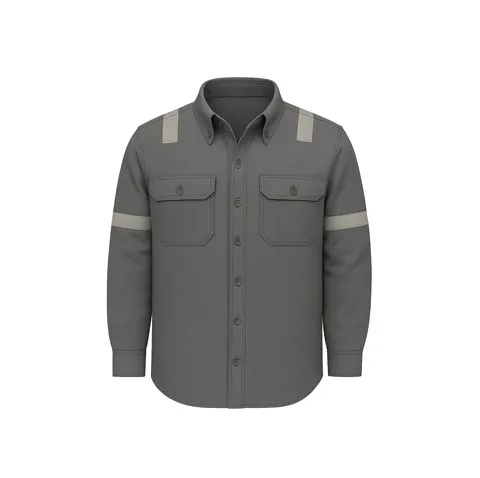
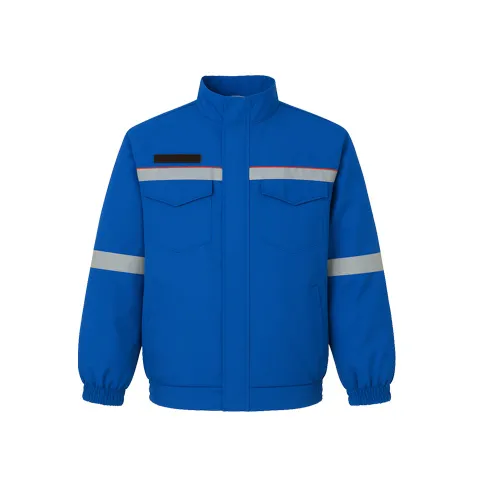
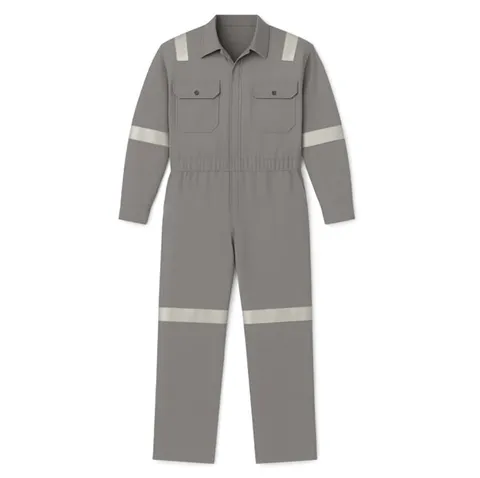
Reflective tape color and placement
High-visibility combinations if required
Consistent branding helps improve professional image and team recognition.
Functional design is critical for real working conditions.
Common customization features:
Pocket layout based on usage habits
Reinforced areas for durability
Adjustable cuffs, waist, and closures
Ventilation design for comfort
Zipper and button specifications (e.g., brass, concealed snaps)
Well-designed garments improve both efficiency and safety.
Customized FR workwear must comply with relevant standards based on the project location.
Common requirements include:
NFPA 2112 – Flash fire protection
EN ISO 11612 – Heat and flame protection
ASTM F1506 / IEC 61482 – Arc flash protection
EN 1149-5 – Anti-static performance
Ensuring compliance is essential for project approval and worker safety.
For large projects, planning is key.
Important factors include:
MOQ (minimum order quantity)
Sampling and approval process
Production lead time
Packaging and labeling requirements
Logistics and delivery schedule
A well-managed process ensures smooth project execution.
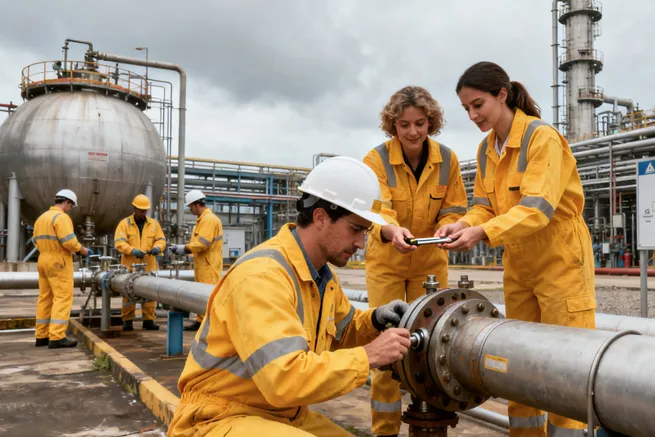
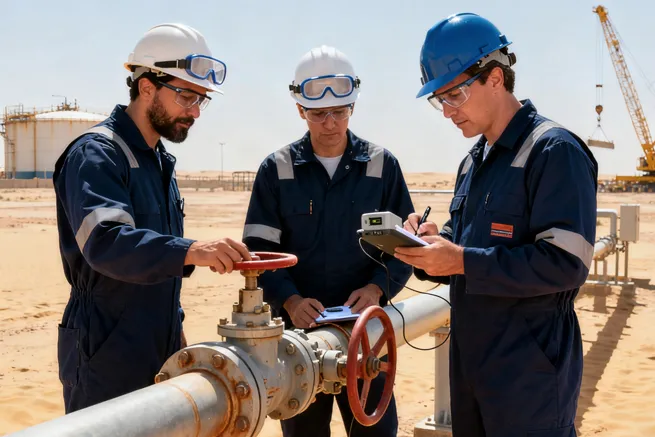
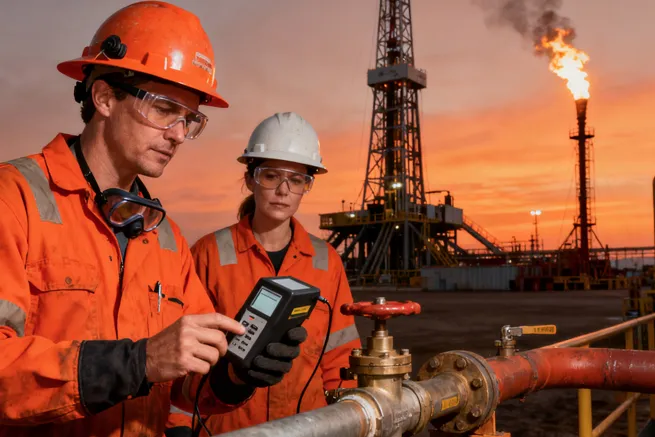
Customized FR garments are widely used in:
Oil & gas and petrochemical projects
Electrical utilities and infrastructure
Industrial construction and EPC projects
Mining and heavy manufacturing
These sectors often require project-specific protective solutions.
Customizing FR workwear allows companies to combine safety, functionality, and brand identity into one solution. By selecting the right fabric, optimizing garment design, and ensuring compliance with international standards, businesses can create protective clothing that truly fits their operational needs.
A well-designed customized workwear program not only protects workers—it also strengthens your brand and improves project efficiency.