English
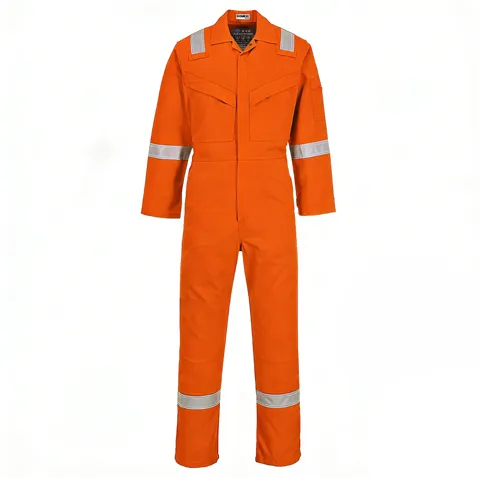
Arc flash incidents are among the most dangerous electrical hazards in industrial environments. In a fraction of a second, an arc flash can release intense heat, light, and energy capable of causing severe burns or fatal injuries. Arc flash coveralls are designed to provide full-body protection against these extreme thermal hazards.
This article explains how arc flash coveralls work and why they are essential for industrial safety.
An arc flash can generate temperatures exceeding 19,000°C, along with radiant heat and pressure waves. The main thermal risks include:
Severe skin burns
Clothing ignition or melting
Secondary injuries caused by heat transfer
Without proper protection, ordinary workwear offers little defense against these hazards.
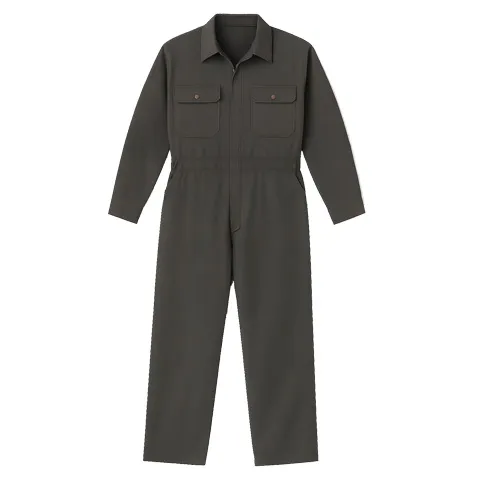
Arc flash coveralls are made from arc-rated flame-resistant fabrics that are tested to withstand specific levels of thermal energy. Their design focuses on limiting heat transfer to the skin and preventing fabric ignition.
Key protective functions include:
Self-extinguishing performance to prevent continued burning
Non-melting fabrics that do not drip under extreme heat
Full-body coverage to reduce exposed areas during arc flash events
Each arc flash coverall carries an arc rating, expressed in cal/cm². This rating indicates the maximum incident energy the garment can withstand before causing second-degree burns.
Selecting the correct arc rating based on workplace hazard assessments is critical to effective protection.
Compared to separate garments, arc flash coveralls offer:
Continuous protection without gaps
Reduced risk of garment shifting during work
Simplified PPE compliance for safety programs
They are especially suitable for high-risk electrical maintenance tasks.
To maintain protection:
Wear coveralls correctly fastened at all times
Avoid contamination with flammable substances
Follow recommended washing and maintenance instructions
Replace damaged or excessively worn garments
Proper care ensures consistent performance throughout the garment’s service life.
Arc flash coveralls play a vital role in protecting workers from extreme thermal hazards in electrical and industrial environments. When properly selected and maintained, they significantly reduce injury risk and support safer workplaces.