English
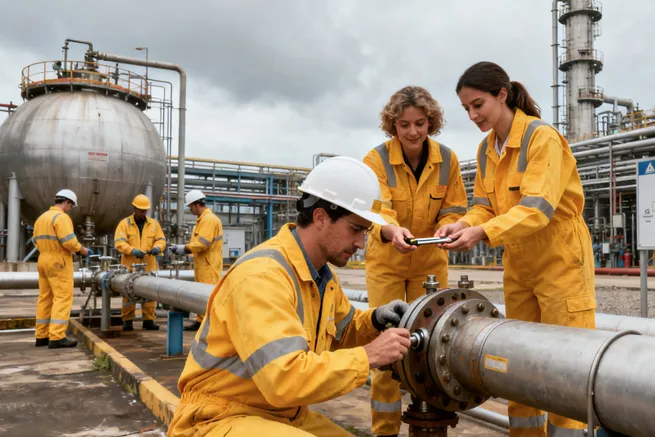
Flame-resistant (FR) workwear is a critical layer of protection for workers exposed to fire, heat, and electrical hazards. In industries such as oil & gas, electrical utilities, petrochemical, manufacturing, and heavy construction, ordinary clothing can ignite, melt, or continue burning—causing severe injuries or fatalities.
This guide explains what flame-resistant workwear is, how it works, which standards matter, and why choosing the right FR garments is essential for workplace safety.
Flame-resistant workwear is protective clothing engineered to resist ignition, self-extinguish when exposed to flame, and limit heat transfer to the skin. Unlike regular fabrics, FR garments are designed to reduce burn injuries during incidents such as flash fires or electrical arc events.
Key characteristics of flame-resistant clothing include:
Self-extinguishing behavior
No melting or dripping under heat
Stable fabric structure during exposure
Designed for repeated industrial use
FR protection is built into the fabric itself, not applied as a surface coating that washes away over time.
Standard cotton or synthetic garments can easily ignite or melt when exposed to heat or flame. Synthetic fibers in particular may melt into the skin, worsening injuries.
Flame-resistant workwear is designed to minimize injury severity, giving workers critical seconds to escape a hazardous situation. This difference can be life-saving.
FR fabrics are manufactured using either:
Inherently flame-resistant fibers, or
Treated fabrics engineered to resist ignition
When exposed to flame or heat, these fabrics:
Do not continue burning once the ignition source is removed
Form a protective char layer
Reduce heat transfer to underlying skin
This controlled reaction helps reduce burn depth and injury severity.
Understanding standards is essential when selecting FR workwear. Certifications verify that garments perform as required in real hazard scenarios.
EN ISO 11612 – FLAME AND HEAT PROTECTION
This standard defines performance requirements for protective clothing exposed to flame and heat, including limited flame spread and resistance to different heat sources.
ASTM F1506 – ARC RATED TEXTILES
Widely used for electrical applications, this standard specifies minimum performance requirements for FR fabrics used in arc flash environments.
NFPA 70E – ELECTRICAL SAFETY IN THE WORKPLACE
Provides guidance on electrical hazard protection, including PPE selection for arc flash risk mitigation.
IEC / EN 61482 – ARC FLASH PROTECTION
Defines test methods and performance levels for clothing designed to protect against electrical arc flash incidents.
Together, these standards help safety managers select FR clothing suitable for both thermal and electrical hazards.
Flame-resistant workwear is essential in industries where fire or heat hazards are present:
Oil & gas and petrochemical operations
Electrical utilities and power distribution
Industrial manufacturing and maintenance
Welding and metal processing
Mining and energy infrastructure
In many of these environments, FR clothing is not optional—it is a safety requirement.
While all arc-rated garments are flame-resistant, not all flame-resistant clothing is arc-rated.
Flame-resistant clothing protects against fire and heat
Arc-rated clothing is specifically tested to withstand electrical arc energy
For electrical workers, selecting clothing that meets both flame-resistant and arc-rated requirements is essential.
Proper care plays a major role in maintaining flame-resistant performance:
Follow garment care instructions carefully
Avoid bleach, fabric softeners, and harsh detergents
Wash FR garments separately from regular clothing
Inspect regularly for damage, shrinkage, or contamination
Industrial washing durability and controlled shrinkage are critical factors in long-term performance.
When choosing FR garments for your team, consider:
1. Hazard Type – Fire, heat, arc flash, or multi-hazard exposure
2. Applicable Standards – Match garments to required certifications
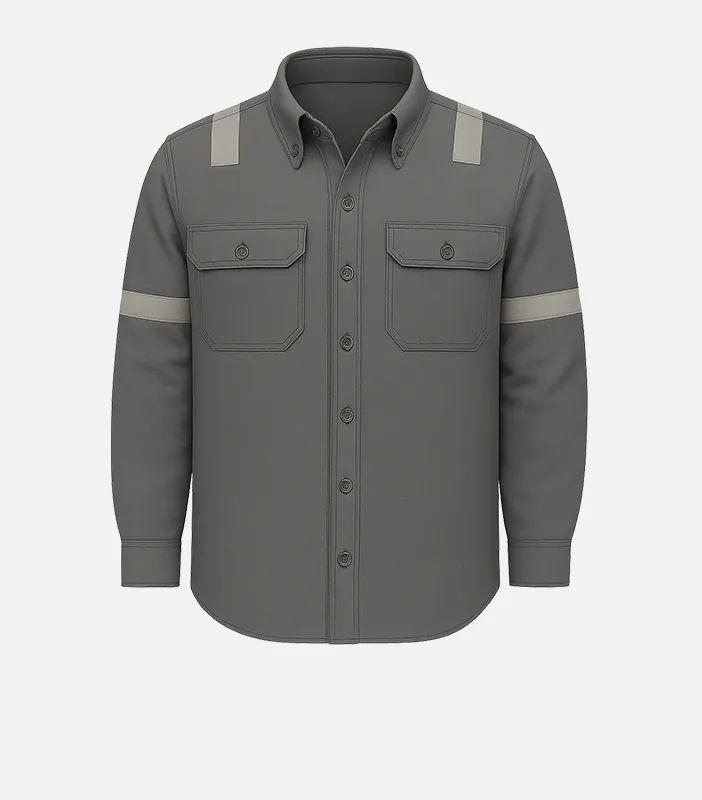
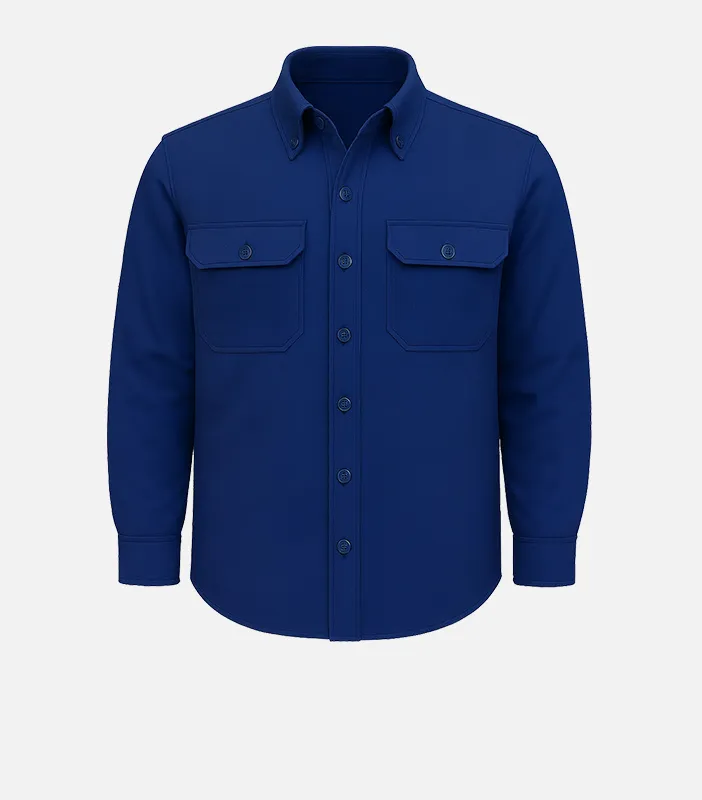
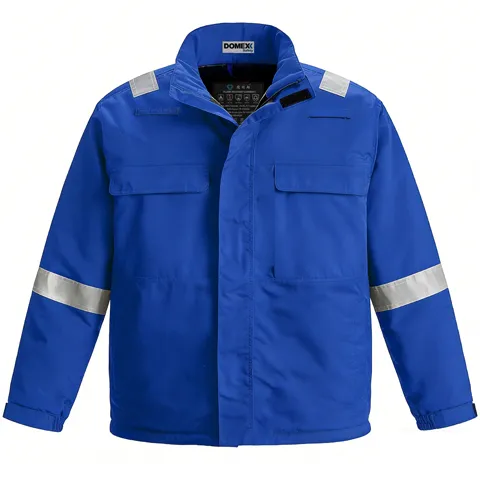
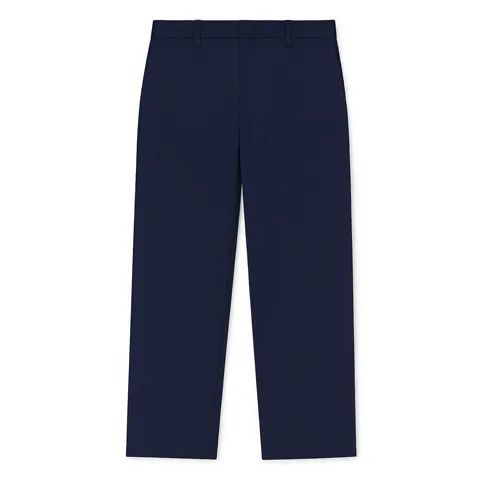
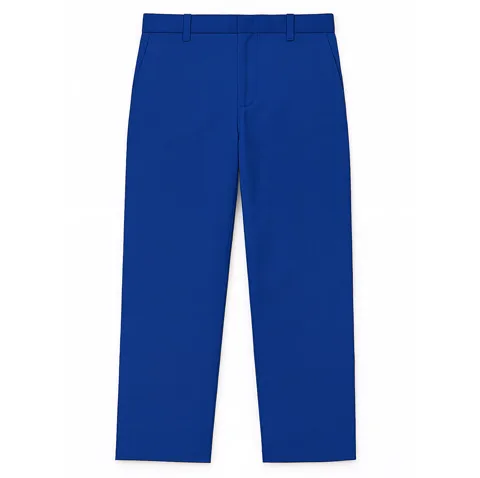
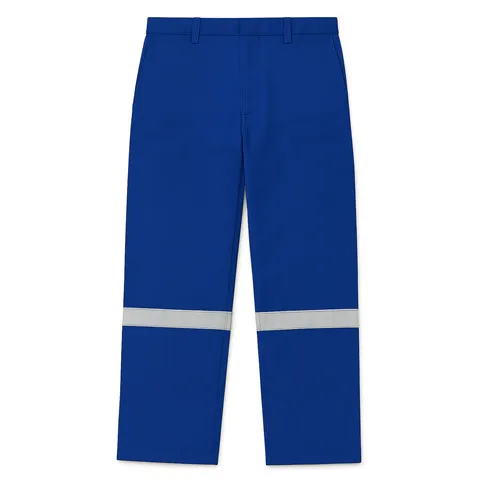
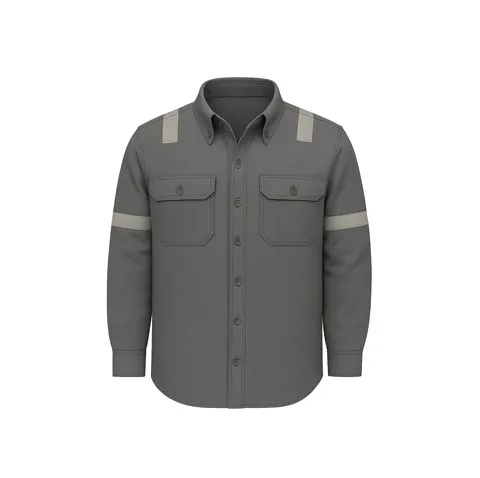
3. Garment Type – Shirts, pants, jackets, or coveralls
4. Fit & Comfort – Proper fit improves compliance and safety
5. Durability – Designed for industrial laundering and daily wear
The right FR workwear balances protection, comfort, and long-term performance.
Flame-resistant workwear is more than protective clothing—it is a core component of any serious industrial safety program. By understanding how FR garments work, which standards apply, and how to maintain them properly, employers can significantly reduce injury risk and protect their workforce.
Choosing certified, well-designed flame-resistant workwear demonstrates a commitment to safety, compliance, and professional responsibility.